
Health & Nutrition Lounge

Health

How can I slim my body fast?

Achieving a slimmer body fast is a common goal, but it’s essential to approach it with a combination of practical strategies that promote long-term health rather than quick fixes that can be harmful. Here are some critical methods to help you slim down efficiently while maintaining your well-being.  1. Adopt a Calorie-Deficit Diet The most crucial factor in losing weight is consuming fewer calories than your body needs to maintain its current weight. It’s known as a calorie deficit. To do this effectively:    – Calculate Your Caloric Needs: Use an online calculator to determine your Basal Metabolic Rate (BMR) and total daily energy expenditure (TDEE). Aim to consume 500-1000 calories less than your TDEE, which can help you lose about 1-2 pounds weekly.    – Choose Nutrient-Dense Foods: Focus on foods low in calories but high in nutrients, such as fruits, vegetables, lean proteins, and whole grains. These foods will keep you full and provide the essential vitamins and minerals your body needs.  2. Increase Protein Intake    – Include Protein in Every Meal: Aim to include lean sources of protein such as chicken, turkey, fish, eggs, tofu, or legumes in every meal.    – Consider Protein Shakes: If you struggle to get enough protein through food alone, consider using protein shakes or bars as supplements.  3. Incorporate Healthy Fats:  4. Cut Back on Carbs and Sugars Reducing carbohydrate and sugar intake can significantly reduce water weight and fat. This approach is efficient for those who retain water or have insulin resistance.    – Eliminate Sugary Beverages: Avoid sodas, juices, and other sugary drinks.    – Limit Refined Carbs: Reduce intake of refined carbs like white bread, pasta, and pastries.  5. Incorporate Regular Exercise Exercise is vital for burning calories, building muscle, and boosting metabolism. A combination of cardiovascular exercise and strength training is most effective for quickly slimming down.    Cardio for Fat Loss: Engage in activities like running, cycling, swimming, or brisk walking for at least 30 minutes daily. High-intensity interval Training (HIIT) is particularly effective for burning calories in a short period.    – Strength Training: Include weight lifting or bodyweight exercises like squats, push-ups, and lunges 3-4 times a week. Building muscle increases your resting metabolic rate, helping you burn more calories throughout the day.    Stay Active Throughout the Day: Increase your daily movement by walking more, taking the stairs, or doing household chores. These small activities can add up and help create a calorie deficit.  6. Stay Hydrated Drinking plenty of water is essential for weight loss. It helps in several ways:    – Suppresses Appetite: Drinking water before meals can help reduce appetite and prevent overeating.    – Boosts Metabolism: Water helps your body metabolize fat more efficiently.    – Reduces Water Retention: Staying hydrated prevents the body from holding onto excess water weight.  7. Prioritize Sleep and Stress Management Lack of sleep and high-stress levels can hinder weight loss by increasing cravings for unhealthy foods and reducing motivation to exercise.       – Manage Stress: Practice stress-reducing techniques such as meditation, deep breathing, yoga, or even simple hobbies that relax you.

How can I slim my body fast? Read More »

g92a3dc7e062b897bbd69a37ae15f9066536092653a2a63d9664f38296e3ef0174a95af13417931673a4b271c01dcc1846e2d94f3ee6c8bc7dcd001d817719ece_1280-4559326.jpg

Which diet is the most effective in weight loss?

The variety of diets available can be overwhelming regarding effective weight loss. Each promises quick and sustainable results, but determining which diet is the most effective depends on individual preferences, lifestyle, and specific health needs. Generally, the most effective weight-loss diets focus on calorie reduction, nutrient balance, and sustainability. Here, we’ll explore some of the most popular and effective diets, such as the ketogenic diet, intermittent fasting, and the Mediterranean diet, and weigh their pros and cons to help determine which might be best for you. 1. Ketogenic Diet In ketosis, the body becomes incredibly efficient for energy instead of carbohydrates. Pros: – Rapid Weight Loss: Many people experience quick weight loss, especially in the initial weeks, due to water weight loss from reduced carb intake. Reduced Appetite: The diet’s high-fat content can increase satiety, reducing overall calorie consumption. – Improved Blood Sugar Control: It may benefit those with type 2 diabetes by improving insulin sensitivity. Cons: – Restrictive: The keto diet can be challenging to maintain long-term due to its strict limitations on carbs, which are found in many foods. – Nutrient Deficiencies: With reduced intake of fruits, vegetables, and grains, there’s a risk of missing out on essential vitamins and minerals. – Initial Side Effects: Many people experience “keto flu,” which includes symptoms like fatigue, headaches, and nausea as the body adjusts.  2. Intermittent Fasting The most common method involves fasting for 16 hours a day and eating all your meals within an 8-hour window (known as the 16/8 method). The idea is that calorie intake is naturally reduced by limiting the eating window, leading to weight loss. Pros: Flexibility: IF is more about timing than restricting certain foods, making it easier for some to follow. – Improved Metabolic Health: Research suggests that intermittent fasting can improve metabolism, reduce insulin resistance, and lower the risk of type 2 diabetes. – Simplicity: With fewer meals to prepare, daily planning is simplified. Cons: Hunger and Irritability: Some people struggle with hunger during fasting periods, leading to irritability or binge eating. – Social Restrictions: The eating window can be challenging to align with social events or family meals. – Not Suitable for Everyone: It may be difficult or unsafe to follow for those with certain medical conditions or underweight people. 3. Mediterranean Diet The Mediterranean diet is based on the traditional eating patterns of people living in countries around the Mediterranean Sea, such as Greece and Italy.  Pros – Balanced Nutrition: The Mediterranean diet is rich in nutrients, providing a variety of vitamins, minerals, and antioxidants. – Sustainable and Enjoyable: It allows for a wide variety of foods, making it easier to stick to long-term without feeling deprived. – Heart Health Benefits: This diet is associated with reduced risk of heart disease, improved cholesterol levels, and better blood pressure control. Cons: – Requires Cooking: Since the diet emphasizes whole, fresh foods, it may require more cooking and preparation time than conventional fast or ready-to-eat foods. – Portion Control: The diet does not limit calories, so portion control is necessary to lose weight. – Potential Cost: High-quality foods, such as fresh fish and olive oil, can be more expensive.

Which diet is the most effective in weight loss? Read More »

Quick Weight Loss Meal Plan: Shed Pounds Fast with Balanced Nutrition

If you’re looking to lose weight quickly without compromising your health, a well-structured quick weight loss meal plan can be your solution. This plan focuses on nutrient-rich foods, portion control, and balanced meals to help you achieve your weight loss goals efficiently. A quick weight loss meal plan is designed to provide your body with essential nutrients while keeping calorie intake low. The goal is to create a calorie deficit, allowing your body to burn stored fat for energy. This approach ensures that you lose weight rapidly while still maintaining muscle mass and energy levels. Key Components of a Quick Weight Loss Meal Plan Nutrient-Dense Foods: A successful quick weight loss meal plan prioritizes nutrient-dense foods that are low in calories but high in vitamins, minerals, and antioxidants. Incorporate plenty of vegetables, lean proteins, and whole grains. These foods help you feel full and satisfied while keeping your calorie intake in check. Portion Control: Portion control is crucial in any quick weight loss meal plan. Eating smaller portions more frequently throughout the day can help manage hunger and prevent overeating. Use smaller plates and measure your portions to ensure you’re staying within your calorie goals. Balanced Meals: Your quick weight loss meal plan should include balanced meals that combine proteins, healthy fats, and complex carbohydrates. This balance helps regulate blood sugar levels and provides sustained energy throughout the day, preventing energy crashes and cravings. Sample Quick Weight Loss Meal Plan Breakfast: A smoothie made with spinach, a scoop of protein powder, half a banana, and almond milk.Lunch: Grilled chicken breast with a side of quinoa and steamed broccoli.Dinner: Baked salmon with sweet potato and a mixed green salad.Snacks: Greek yogurt with a handful of berries, or carrot sticks with hummus. Conclusion A quick weight loss meal plan can help you shed pounds rapidly by focusing on nutrient-dense foods, portion control, and balanced meals. By sticking to this plan, you’ll not only lose weight quickly but also maintain your energy levels and support overall health.

Quick Weight Loss Meal Plan: Shed Pounds Fast with Balanced Nutrition Read More »

Diet Plan for Diabetic Patient

Comprehensive Diet Plan for Diabetic Patients: Manage Blood Sugar through Balanced Nutrition

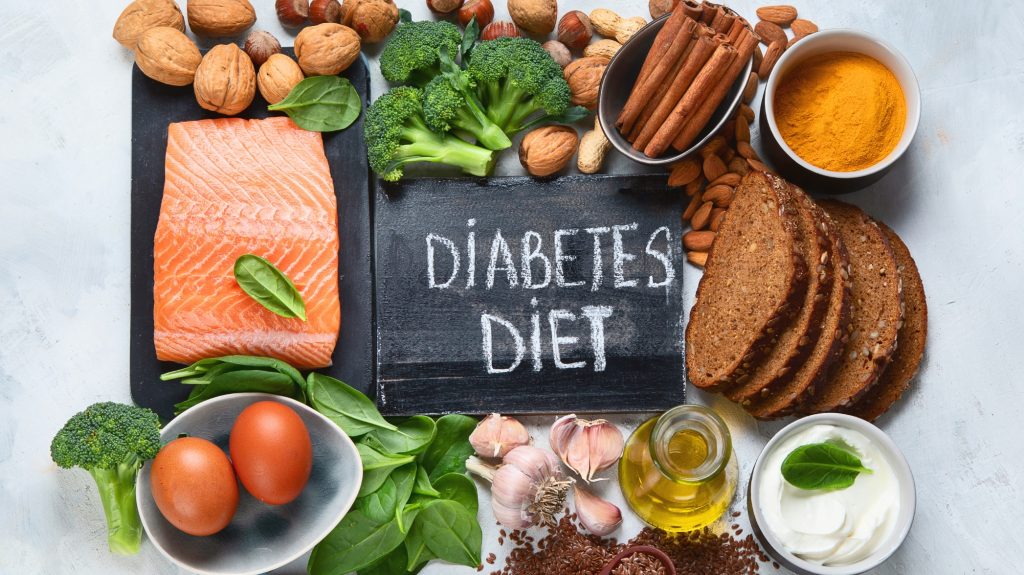
If one does not pay enough attention to a well-structured diet plan, managing diabetes remains incomplete. A good conceptualization of a diabetic patient’s diet plan contributes to health in general through balanced nutrition and the message of portion control and mindful eating, not only in controlling the glucose level. Introduction to Diabetes Management through Diet An ideal diet plan for patients with diabetes will be useful in keeping the disease under control. A diet that controls blood sugar levels while providing adequate nutrition for the body is the primary objective of a diabetes diet plan. It establishes a balanced diet that is low in foods containing refined carbohydrates and introduces certain foods that can control blood sugar levels within the body. Principal Components of a Diet Plan for Diabetic Patients: Practical Tips One Can Use to Have a Diabetic-Friendly Diet Conclusion An effective management of diabetes must include a proper diet. A balanced and portion-controlled diet for diabetic patients will thus help them take control of their blood sugar levels and induce a good state of health. Focus on incorporating low-glycemic foods, healthy fats, and other nutrient-rich meals in creating a fine, manageable diet plan.

Comprehensive Diet Plan for Diabetic Patients: Manage Blood Sugar through Balanced Nutrition Read More »

Intermittent Fasting Diet Plan

Intermittent Fasting Diet Plan: A Strategic Guide to Weight Loss

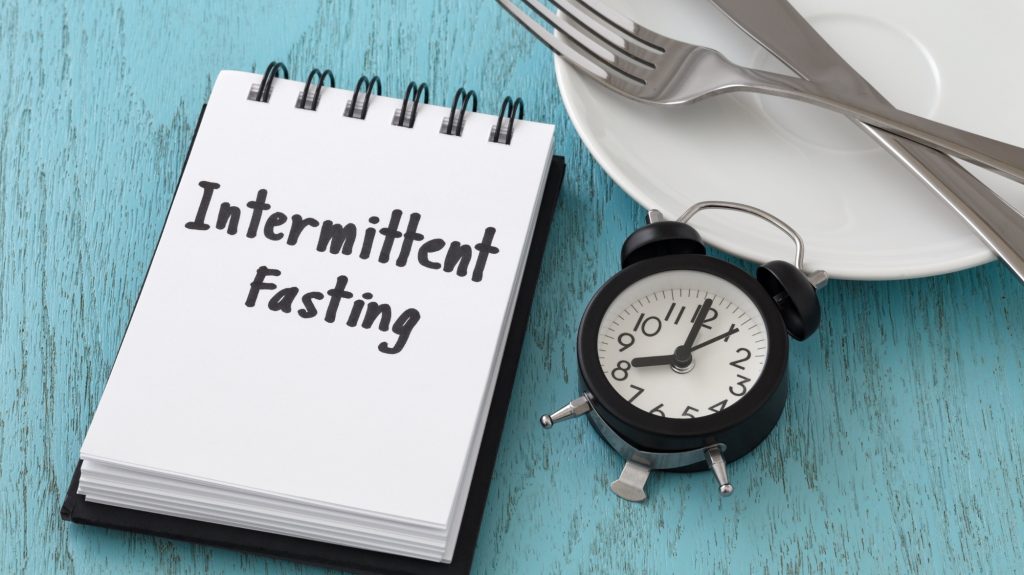
Understanding Intermittent Fasting An intermittent fasting diet plan is an eating pattern that alternates periods of fasting and times of unrestricted intake. This is not like most diets out there, which are based on what to eat. Instead, intermittent fasting is based on when to eat. The strategy has become quite popular because of its potential benefits for weight loss, metabolic health, and even longevity. It’s a simple concept: allow your body time off from the continual feed, and you’ll give your insulin sensitivity, fat loss, and overall health a big bump. How Intermittent Fasting Works An intermittent fasting diet plan follows the natural cycles of your body. After each meal, it takes hours for the body to digest and then absorb the food, mainly in the form of glucose, for energy. During this period, the levels of insulin are at their high and prohibit the body from burning fat. When fasting, these levels of the hormone decrease, and after that, one’s system is compelled to shift from relying on glucose energy to burning stored fat. This metabolic shift is what holds the key to weight and fat loss associated with intermittent fasting. The most common methods for intermittent fasting include the following: Weight Loss and Fat Reduction Intermittent fasting inherently allows for weight and fat loss because the reduction in the total number of meals significantly reduces overall calorie intake. During fasting periods, the body becomes more efficient at burning fat, which targets stubborn fat reserves—especially in abdominal areas. Improved Insulin Sensitivity Improved insulin sensitivity would mean better blood sugar control and a reduced risk of type 2 diabetes. Intermittent fasting normally reduces insulin levels, making the body more effective at using stored fat as energy. Better Metabolic Health Besides weight loss, intermittent fasting has been linked to several other metabolic benefits that appear to include lower blood sugar levels, improved cholesterol profiles, and reduced inflammation—a combination very conducive to good heart health and longevity. Conclusion An intermittent fasting diet plan is an easy and effective way to burn those extra pounds and maintain overall good health. Regarding mechanisms involved in intermittent fasting, looking for a proper fasting plan significantly contributes to long-lasting results. Be consistent; that is, heed your body and find out what method of fasting works best for you. Head to our website for more details and customized diet plans.

Intermittent Fasting Diet Plan: A Strategic Guide to Weight Loss Read More »

Pcos Food Plan: Eating to Balance for Health and Wellness

Understanding the Basics of PCOS and Associated Dietary Needs PCOS is a syndrome that affects millions of women across the world, resulting in irregular periods, weight gain, and insulin resistance. Though there may not be one diet for all women with PCOS, a well-structured PCOS food plan could alleviate some of its symptoms and result in improved health. On the other hand, it should be appreciated that each woman with PCOS has her unique metabolic needs, food preferences, and health conditions. Indeed, a customized diet planning approach forms the basis for effective PCOS management. The Science Behind an Effective PCOS Food Plan A PCOS food plan should revolve around nutrient-dense foods that help regulate hormones, manage insulin levels, and maintain good health. Unlike the diet plans available everywhere, the PCOS food plan includes evidence-based strategies to achieve long-term health goals. This is not some program to lose weight; this is getting down to the root causes of PCOS: insulin resistance and inflammation. By fully grasping the science of dietetics and individualizing that plan, we will give women with PCOS an effective and sustainable course for management. Key Components of a PCOS Food Plan Nutrient-Dense Foods: A PCOS diet needs as much variety in fruits, vegetables, lean proteins, and whole grains as possible. This intake provides a fair amount of the needed vitamins, minerals, and antioxidants that can help fight the inflammation and the instances of oxidative stress common in women with PCOS. Besides, nutrient-dense food controls the sugar level in the blood and reduces the possible risk of insulin resistance. Balanced Macronutrients: In the management of PCOS, there needs to be a balance between carbohydrates, proteins, and fats. Carbohydrates should be consumed in the form of low-glycemic index foods such as whole grains, legumes, and non-starchy vegetables. Proteins from lean meats, fish, and plant-based sources will help in keeping blood sugar stable and maintain muscle mass. Healthy fats from sources rich in omega-3 and omega-6 fatty acids, like fish, flaxseeds, and walnuts, have a big role in the reduction of inflammation and improvement in hormonal balance. Fiber-Rich Foods: Women with PCOS can do well by eating lots of high-fiber foods like fruits, vegetables, whole grains, and legumes. The fiber helps to retard the absorption of carbohydrates; hence, avoiding spiky increase in blood sugar levels. It promotes digestion and will extend satiation, which is good for women who wish to maintain a healthy weight. Personalizing Your PCOS Diet An effective PCOS diet plan has to be designed considering an individual’s health concerns, lifestyle, eating patterns, and food preferences. Some useful strategies that can be followed to individualize your diet plan include: Monitor Carbohydrate Intake: Given the prevalence of insulin resistance in women with PCOS, monitoring carbohydrate intake by sticking to a low-glycemic index diet will ensure avoiding spurting blood sugar levels and maintaining stable insulin levels. Include Anti-Inflammatory Foods: Foods that are rich in antioxidants and anti-inflammatory properties, like berries, leafy greens, and fatty fish, help reduce inflammation and maintain good health. Have Regular Meals: Eating regular, well-balanced meals maintains stable blood sugar levels and prevents overeating of food. Adding protein and healthy fats to every meal can enhance satiety and lower cravings. Conclusion A good PCOS diet plan, therefore, relies on food options that could help mitigate some of the symptoms and underlying causes of this syndrome. Women can start to optimize their health with better choices, such as taking in nutrient-dense food, balanced macronutrients, and other customized dietary interventions developed for women with PCOS to improve health outcomes and raise the quality of life. Follow up to the website for an effective PCOS food plan and find personalized support.

Pcos Food Plan: Eating to Balance for Health and Wellness Read More »