Blog

What is the best Food Plan for Diabetic Patients?

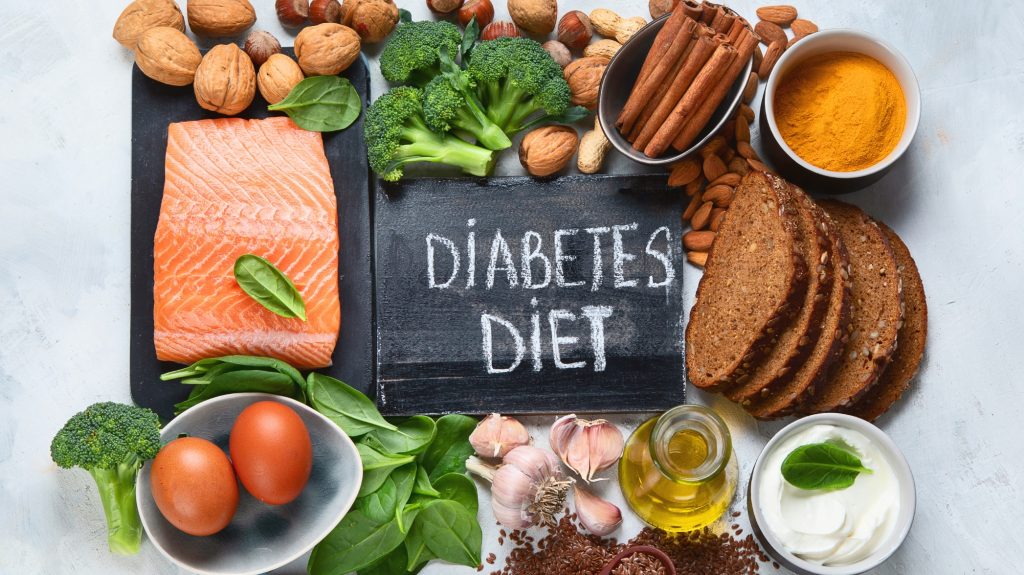
Managing diabetes involves a delicate balance of diet, exercise, and medication. Diet plays a crucial role in controlling blood sugar levels and improving overall health. A well-structured food plan can help people with diabetes regulate their glucose levels, maintain a healthy weight, and reduce the risk of complications such as heart disease, kidney problems, and nerve damage. This guide outlines the best food plan for diabetic patients, focusing on balanced nutrition, portion control, and consistency. Key Principles of a Diabetic Diet Focus on Complex Carbohydrates Carbohydrates directly affect blood sugar levels, so choosing the suitable types is essential. Whole grains, legumes, and non-starchy vegetables contain complex carbohydrates that are absorbed more slowly than simple carbohydrates, leading to a steadier rise in blood sugar.Best choices: Brown rice, whole wheat bread, quinoa, oatmeal, sweet potatoes, and lentils.Avoid: Sugary snacks, white bread, pastries, and other refined carbs that cause spikes in blood sugar levels. Include Lean Protein Protein helps keep blood sugar levels stable and promotes satiety. Diabetic patients should aim for lean protein sources, which are lower in saturated fat and can reduce the risk of cardiovascular disease. Limit: Red meat and processed meats like bacon and sausage are high in unhealthy fats. Healthy Fats Are Essential While fats are an essential part of any diet, the type of fat consumed matters extensively for diabetic patients. Healthy fats, such as those found in nuts, seeds, avocados, and olive oil, can help improve heart health without negatively impacting blood sugar levels.Best choices: Olive oil, flaxseeds, walnuts, almonds, chia seeds, and fatty fish.Avoid: Trans fats found in fried foods, commercial baked goods, and many processed snacks. Increase Fiber Intake Fiber slows the absorption of sugar and improves blood sugar control. A high-fiber diet also promotes weight management and heart health. Aim to include a variety of high-fiber foods in your daily meals. The best choices are vegetables, fruits (especially those with low glycemic indexes, like berries, apples, and pears), legumes, whole grains, and seeds.Limit: Fruit juices and canned fruits in syrup, as these can lead to quick sugar spikes. Choose Low Glycemic Index (GI) Foods Diabetic patients should focus on foods with a low glycemic index to keep blood sugar levels stable throughout the day. Best choices: Lentils, chickpeas, non-starchy vegetables, berries, and quinoa.Limit: High GI foods like white bread, sugary cereals, and potatoes. Hydrate with Water and Unsweetened Beverages Sugary drinks like sodas, sweetened teas, and fruit juices can cause rapid increases in blood sugar. Hydration is essential, and water is always the best choice. Unsweetened tea or herbal infusions are also part of a healthy diabetic diet.Best choices: Water, unsweetened tea, black coffee, and sparkling water.Avoid: Sugary drinks and energy drinks. Building a Balanced Diabetic Meal Plan An excellent diabetic food plan should balance macronutrients (carbohydrates, protein, and fat) while incorporating fiber, vitamins, and minerals. Here’s a step-by-step guide to structuring meals: Conclusion Every patient is different with different medical history(etc), so for customised plans, lifestyle tips & tricks, healthy recipes, healthy eating options with variety and gym & fitness guidelines are providing by Health and Nutrition Lounge. It also providing tailored solution according to your need.

What is the best Food Plan for Diabetic Patients? Read More »

Diet Plan For Polycystic Ovary Syndrome (PCOS)

Polycystic Ovary Syndrome (PCOS) is a disorder in hormone of women that affects their reproductive age resulting in irregular periods, polycystic ovaries and excess in level of androgen. This can be controlled by adopting a healthy diet plan.If anyone is facing the problem of Polycystic Ovary Syndrome (PCOS), we present a general healthy diet plan that will help manage the symptoms, improve overall health due to regulation in levels of hormones.Women who face the PCOS problem, it is heard for them to effectively use insulin as it makes harder for the body to resist. Ultimately, this situation may lead to high level in blood sugar, weight gain with high chances of type 2 diabetes. If we use a balanced diet that may regulate the level of insulin, and reduce inflammation, it can greatly help in improving the symptoms. This article presents the major dietary attentions for PCOS. Pay attention to low glycemic index foods Low GI food releases slow glucose into the bloodstream which maintained the stable level of blood sugar. With the help of using the low-GI foods improves the insulin sensitivity and thus reduce the risk of high sugar level.Best choices: Use whole grains, legumes, fruits, and non- starchy vegetables as they may prove to be the best choices.Avoid: sugary food, drinks, and refined carbohydrates. Increased intake of fiber The food having high level of fiber regulates the level of sugar as it slows down digestion. Resultantly it helps in the weight management level and enhances the insulin resistance.Suitable choices: fruits, vegetables, whole grains, and legumesOne should avoid: low fiber foods such as white bread, and white rice. Integrate lean protein The intake of protein helps you to remain full for longer time and stabilizes the level of blood sugar. It also helps to build and maintain muscle mass which helps in management of weight.Choices: eggs, tofu, and legumes, and chicken breast.Avoid: processed meat and high-fat cuts of meat. Use healthy fats The use of healthy fats play significant role in management of PCOS. With the help of healthy fats, inflammation is reduced and strengthens the health of heart.Best options: olive oil, seeds, nuts, fatty fish, and avocadosAvoid: excessive use of saturated fats found in fried food, processed snacks, and fast foods. Amalgamate anti-inflammatory foods There is usually association of chronic inflammation and PCOS that adds to the symptoms. The use of anti-inflammatory diet helps to reduce discomfort caused by PCOS.Best choice: tomatoes, ginger, fish, turmeric, and berriesAvoid: processed and meals and highly processed snacks. Intake of sufficient hydration The management of PCOS requires sufficient amount of water. It can improve digestion, and help to reduce weight.Best choices: herbal tea, water-rich vegetables and foods, and lots of water.Avoid: excessive caffeine, alcohol, and sugary drinks. Seed Cycling and PCOS To manage PCOS, seed cycling play a crucial role.The 4 main seeds use in seed cycling are:• Flax seeds• Pumpkin seeds• Sunflower seeds• Sesame seeds Method: Follicular phase:On the 1st day of cycle consume 1 tbsp. of each powdered flax seeds and pumpkin seeds with 1 glass of water in Pre-breakfast on empty stomach. Continue this for the coming 14 days.Luteal phase:From the 15th day of cycle start consuming 1 tbsp. of each powdered Sunflower seeds and Sesame seeds with 1 glass of water in Pre-breakfast on empty stomach. Continue this before the 1st day of Mensuration and carry the same onwards. Diet plan for PCOS To manage PCOS, a sample day of eating is presented in the following paragraph.Breakfast: a cup of oatmeal with chia seed, almond butter, and blueberries.Snack: mixture of nuts with a small apple.Lunch: chicken salad with greens, tomatoes, avocado, olive oil dressing, and cucumbers.Afternoon snack: hummus mixed with carrot sticks or boiled egg.Dinner: grilled chicken with steamed broccoliBedtime: Green tea without jaggery, sugar, honey

Diet Plan For Polycystic Ovary Syndrome (PCOS) Read More »

Diet Plan for Diabetic Patients

What is Diabetes? A condition in which the body of a person cannot properly store and use the food enerhy is called diabetes. A diabetic patient has too much sugar in his or her blood. This sugar is obtained from that food that contains carbohydrate (sugars and starches).Are you diabetic patient and in search of a diet plan that can treat your blood sugar near normal level? If yes, you are at the right place. Here you will be made aware of how to develop a diet plan. The treatment of diabetes is to keep the blood sugar near normal. For that purpose dietitians suggest healthy diet plan and consider the key factor.This article is going to elaborate the weekly diet plan. It is suggested that how you can follow the daily and weekly plan to keep the blood sugar at the normal level. Weekly Diet Plan for Diabetic Patients The diabetic patients can enjoy healthy life and manage blood sugar levels if they follow the Weekly Diet Plan for Diabetic Patients. Resultantly they will be able to balance proteins, carbohydrates, and fats to meet dietary goals. They will be able to measure their portions accurately, and plan ahead.If they follow this 7- days diet plan for diabetic patients of 1200 calorie plan, they will be able to live a healthy life. 1200 calorie plan Meeting the 1200 calories every day requires the following meals and snacks. Monday Breakfast: Total of 39 g carbs (an egg, one slice of bread having half avocado spread, one orange)Lunch: Total of 30 g carbs (two- third cup low sodium preserved beans, one cup spinach, one cup sliced tomato, ¾ cup peppers, one oz cheese, & one tabspn salsa).Snack: A sum of 21 g of carbs (twenty one gram carrots with 2 tablespoon hummus).Dinner: Total carbs of 35 g (one cup cooked penne pasta, 1/2 cup tomato sauce mixed with garlic, Greens, mushrooms, zucchini, & eggplant). This makes the total carbs of 125 g for the day which is an important part of the diet plan for diabetic patients. Tuesday Breakfast: total carbs: thirty four g (0.75 cup blueberries, roasted oatmeal 1 cup, almond 1 oz, chia seed 1 teaspoon)Lunch: A total of 52 g (dressing two tablespoon, grilled chicken breast 2 oz, strawberries half cup, spinach 2 cups, shredded carrots one-quarter cup, chickpeas half cup).Snack: Total carbs of sixteen g (one peach chopped into one-third cup of two percent cheese).Dinner: A total of 38 g (crushed wheat, 1/2 cup eggplant, 4 dried tomatoes, 5 olives, half cucumber, 1 tablespoon balsamic vinegar).This makes the total carbs of 140 g for the day which is an important part of the diet plan for diabetic patients. Wednesday Breakfast: total carbs of 34 g (blueberries- three quarter, 2-egg omelet, bell pepper, half cup black beans, mushrooms, avocado).Lunch: Total carbs of 40 g (two slices of wheat bread, half apple, 1 tbsp dill relish, 1 tablespoon mustard, 2 ounce fish with quarter cup frayed carrots, 1 cup tomato, 1 tablespoon yogurt).Snack: A total of 12 g carbs (1 cup kefir).Dinner: Total carbs of 34 g (half cup succotash, one tbsp butter, two oz mutton tenderloin, 1 cup roasted asparagus, 1/2 cup pineapple).This makes a sum total of carbs 120 g for the day which is an important part of the diet plan for diabetic patients. Thursday Breakfast: A total of 44 g (sweet potato toast comprising of cheese (one oz), spinach, 1 tbsp flaxseed).Lunch: Total carbs of 23 g (1 cup cauliflower, 2 oz roast chicken, 1 tblsp salad dressing, a cup of strawberries).Snack: A sum 15 g of carbs (1 cup of yogurt with half banana).Dinner: A sum of 44 g carbs (one cup bok choy, two-third cup quinoa, 8 oz silken tfu, 2 tblsp olive oil, one cup steamed broccoli, one kiwi).This makes the total carbs of 126 g for the day which is an important part of the diet plan for diabetic patients. Friday Breakfast: Total of 41g (one-third of grape- nuts, 1 cup milk, half cup blueberries).Lunch: Total of carbs: 47 g (2 tblsp yogurt, 2 cups spinach, one quarter cup tomatoes, one-quarter cup grapes, 1tblsp pumpkin seeds, and 2 ounce roasted chickpeas).Snack: total of 5g carbs (1 cup celery mixed with 1 tbsp meanut butter).Dinner: Total carbs: 39 g (medium baked potato, one and a half cup asparagus, 2 ounces filet).Thus a total of 133 g for the whole day. Saturday Beakfast: Total of 32 g carbs (one teacup strawberries, 1 tbsp chia seed, one cup of yogurt mixed with banana).Lunch: A total of 70 g (2 corn tortillas, 2 tablespoon avocado, one teacup of coleslaw, salsa, 1/3 roasted black beans).Snack: A total of 14 g carbs (one cherry tomato, 2 tblsp hummus with 10 baby carrots).Dinner: A total of 41g carbs (2 oz broiled beef, 1.5 cup broccoli with yeast, 3-quarter strawberries).This makes the total of 157 g for the whole day. Sunday Breakfast: Total of 21 g carbs (chocolate peanut oatmeal, one tbsp peanut butter, 1 spoon chocolate vegie, I tbsp. chia seeds).Lunch: A total carbs of 30 g (half cup cucumber, half cup tomato, 2 tbsp salad, half cup leefy greens, one small wheat pita pocket).Snack: complete 26 g of carbs (one once almond with 1 grapefruit).Dinner: A total of 39 g carbs (2 oz heated shrimp, 1 tbsp, 1 cup chard, 1 tbsp balsamic vinegar, half cup beets).Total carbs for the day: 116 g.

Diet Plan for Diabetic Patients Read More »

10 kg weight loss in 7 days diet plan

Although it is not advised to adopt 10 kg weight loss diet plan in 7 days for a longer period, yet a balanced approach can be adopted when we use nutrient-dense meals.If you are looking for a plan that may help to reduce your 10 kg weight loss diet plan in days, this article is your ultimate assistant. The plan is comprised of suggesting breakfast, lunch, dinner, and snack all the seven days. Here is the detail. Day 1 Use fruits so that your body is cleansed of toxins and small quantity of protein to maintain muscle mass. Use low-sugar fruits such watermelon, apples etc. Avoid bananas. Drink plenty of water.• Breakfast: Use a bowl of mixed fruits + 1-2 boiled eggs• Lunch: Use a large bowl of watermelon with a mix of berries + 2 chicken/mutton kebab• Dinner: Oranges, papaya, oranges, and kiwi may be used as mixed fruits. + ½ bowl Lentil soup• Snacks: Slices of an apple with 1/3 cup roasted chickpeas Day 2 Focus on using vegetables as they have low calories, and high fiber with equal proportion of protein.• Breakfast: roasted or boiled sweet potatoes with 1-2 boiled eggs• Lunch: no use of dressing. Salad having 100gm grilled chicken with spinach, carrots, tomatoes, and cucumbers should be used.• Dinner: spinach, cauliflower, and steamed broccoli with 120gm grilled/baked fish/chicken• Snacks: cucumber or carrot sticks with 1 protein bar Day 3 On the 3rd day, use the combination of vegetables and fruits with protein portion. But vegetable such as potatoes, and bananas should be avoided. That will meet the balance of vital vitamins and nutrients.• Breakfast: a bowl comprising of apples, berries, and watermelon with 1-2 boiled egg or 1 veg omelet• Luch: use a combination of leafy greens and veggies with grilled/baked/boiled chicken chunks. This makes a large salad.• Dinner: Use vegetables such as broccoli, carrots, and spinach salad with 1 cup lentil soup or chicken kebab• Snacks: use pieces of apples or cucumbers or roasted makhane/ paneer bites. Day 4 You should use the mix of milk and bananas. Thus you will find the calcium and protein from milk and energy and potassium from bananas.• Breakfast: Use a glass of milk with two bananas and 1 boiled egg• Lunch: utilize a banana smoothie with milk or green smoothie with protein powder• Dinner: use a glass of milk and two bananas and boiled red bean salad• Snacks: use either a glass of milk or one banana Day 5 On day 5, you should introduce protein that will help to reduce muscles. Use tomatoes which are rich in antioxidants and helps digestion.• Breakfast: grilled fish or chicken may be used with few tomato pieces.• Lunch: use grilled fish or chicken along with steamed tomatoes.• Dinner: slight portion of protein with raw tomatoes• Snacks: used some slices of tomatoes. Day 6 To maintain taking in low calorie, you should continue protein along with vegetables to keep up your energy.• Breakfast: Eggs or grilled chicken mixed with spinach.• Lunch: use the mixture of vegetables and fish/chicken.• Dinner: use a large bowl of vegetable soup with lean protein.• Sancks: use carrot or cucumber sticks. Day 7 On the last of your plan, you should use brown rice to get fiber and energy. Combine it with fruits and vegetables for a balanced day.• Breakfast: use a mixture of vegetables and rice.• Lunch: soup having a combination of rice and vegetable.• Dinner: utilize steamed vegetables with brown rice.• Snacks: use fresh fruit juice without added sugar Having said that, if you are searching for a plan that will reduce your weight in short period of time, it is vital to consult with a healthcare provider prior to start any extreme diet.

10 kg weight loss in 7 days diet plan Read More »

Developing an Understanding of the 3 Major Body Types and the Process of Losing Weight

Weight loss has become a significant issue, exacerbated by the prevalence of fast food and ultra-processed foods. Dietitians and nutritionists are striving to reverse this trend by offering detailed dieting plans that enhance overall well-being, not just dietary habits including diet plans for weight loss. To effectively manage weight, it’s crucial to understand your body type. There are three main body types: 1. Ectomorph – Slim, lean, and with narrow shoulders and hips are its characteristics. – Fast metabolism makes it difficult to gain weight or muscle mass. Nutrition Management: – Dieting plan should consist of 50-60% carbohydrates, 20-30% protein, and 20-30% fat. – Caloric Intake: Higher caloric intake to gain weight and muscle. Recommended 17-20 calories per pound of body weight. For example, a 174 lb (78 kg) individual might aim for around 3000 calories daily, broken down into approximately 370g of carbohydrates, 220g of protein, and 67g of fat. – Food Choices: Focus on complex carbohydrates like oatmeal, brown rice, sweet potatoes, and whole grains. Include lean protein sources such as meat, poultry, seafood, and dairy. High-calorie snacks and nutrient-dense foods like nuts are also beneficial. 2. Endomorph – Characteristics: Rounder, softer body, stores fat easily, wider bone structure, finds it challenging to lose weight. Nutrition Management: The dieting plan should consist of 40-50% carbohydrates, 25-35% protein, and 30-40% healthy fats. – Caloric Intake: Focus on a slight caloric deficit to promote fat loss while preserving muscle mass. This involves tracking caloric intake and adjusting based on weight loss progress. – Food Choices: Emphasize on whole, nutrient-dense foods. Lean proteins, healthy fats (from fish, nuts, and avocados), and fibrous vegetables help manage hunger and promote satiety while reducing overall calorie intake. 3. Mesomorph – Characteristics: Naturally athletic build, well-defined muscles, can gain and lose weight relatively easily. Nutrition Management: – The diet plan comprises 40-50% carbohydrates, 25-30% protein, and 20-30% fat. – Caloric Intake: Maintain physique with a moderate caloric intake, adjusting based on activity levels and fitness goals. They may not need to track calories as strictly as other body types. – Food Choices: Include a variety of foods focusing on whole grains, lean proteins, healthy fats, and plenty of fruits and vegetables to ensure a well-rounded nutrient intake that supports both muscle gain and fat loss. Methods for Weight Loss Weight loss can be achieved through various methods: 1. Compulsive exercising with pre and post-workout meals 2. Enroll in a weight loss diet program 3. Eating healthy and adding the 5 food groups in your meal encapsulating my plate method 4. Following a healthy diet plan for weight loss Choosing the right approach depends on individual preferences, goals, and body type. Understanding your body type can help tailor a weight loss strategy that is more effective and sustainable. Get to know about your body type and manage to gain or lose weight according to your body needs. With the help of our team of nutritionists and dietitians, you will see positive results in a month. So, what are you waiting for? Book your consultation now!

Developing an Understanding of the 3 Major Body Types and the Process of Losing Weight Read More »

Do you want the best diet plan for weight loss while still enjoying the taste of Asian food?

This best meal plan for weight loss assures you to shed the unnecessary kilograms that will leave you different and full of energy due to mouth-watering, healthy, and satisfying foods. Healthier choices of dishes can be both a source of fun and self-fulfillment. The following are some inventive methods to modify the customary recipes while still keeping the same proverbial mouth-watering: 1. Use Whole Grains as the source of energy: The switch from white rice and fine flour to whole grain variants will increase the quality of your meals. Substitute brown rice for white rice or whole wheat flour for making roti use whole wheat porridge or a considerable amount of brown rice. These high-fiber foods are mainly responsible for the normal functioning of the digestive system and satiety for a long period. 2. Reduce Oil and Ghee: Asian cuisine generally implies abundant use of oil and ghee. You could use less oil in your cooking or instead of it you could use healthier oils like olive or coconut oil. Also, you might want to switch to non-stick cookware instead of using additional fats. For recipes like biryani and karahi, use alternative methods, for example, steaming or baking, instead of frying. 3. Adding Fruits and Vegetables: More vegetables will give a greater nutritional value to the meals. Dishes like potato and spinach or okra can be made more colorful by packing up colorful vegetables. This not only increases the content of fiber but also supplements vitamins and minerals. You can also make vegetable-based curries or stir-fries that are both delicious and nutritious. 4. Lean Proteins for muscle building: When making a meal that includes meat, use the lean cuts of chicken, fish, or turkey. For instance, instead of using fatty parts of beef or mutton, you might use skinless chicken breast or fish. These are the best food plans for weight loss. Furthermore, adding in more legumes or beans such as lentils and peas can be a good way to get protein without the extra fat to reduce fatigue and strengthen tissues and muscles. 5. Spice It Up: Besides using spices to flavor your food, you can also utilize them for their health benefits. Spices like turmeric, cumin, and ginger are known for their anti-inflammatory properties and are therefore great for your health and the health of your dish. For example, you can add turmeric to your daal to not only enhance its nutritional value but also give it a beautiful golden hue. 6. Mindful Cooking Techniques: Oven-baking or air-frying would be some good substitutes for deep-fried snacks such as samosas or pakoras. The method still allows for the sweetness of the food, but the fat content is considerably lower. You can also get healthier versions of the usual snacks by using chickpea flour for batters, which is richer in protein and fiber.  7. Portion Control: Last but not least, be mindful of your portion sizes. Start with less rice or bread and make your plate fuller with more vegetables and proteins. This practice not only facilitates weight control but also provides an avenue for savoring the myriad tastes of the Pakistani culinary world Through the adoption of these imaginative tactics, you could have a taste of the vast and varied Pakistani cuisine while ensuring yourself a healthier living. Here’s a sample menu and best nutrition plan for weight loss you must adapt for daily feast. Breakfast: Get going in the morning with a big bowl of oats filled with sliced bananas and a dash of honey to give it a sweetness boost. This meal is a fiber powerhouse and will be a good choice of breakfast to keep you full longer. Complement it with a cup of herbal tea or chai made from skimmed milk (no sugar) for a perfect morning. Lunch: Treat yourself with grilled chicken breast seasoned with special spices, along with a rainbow of mixed vegetables. Finish off your meal by having ½ cup of brown rice or 1 whole wheat roti for a balanced intake of carbohydrates. Snack: Get the craving for something sweet and have 2-3 servings of mixed fruits including apples, oranges, or berries along with a refreshing cup of green tea, which is known for its metabolism-boosting properties. You can add up to three snacks which lie between breakfast and lunch, in the evening, and post-dinner snacks too. Dinner: Comfort yourself with a bowl of lentil soup and finish the meal with protein and fiber as they will help you stay full, while the amino acids they also imbue will be essential for your body. You can add it to your meal with one whole wheat roti. Begin your healthy venture and one-to-one consultation with our expert team of dietitians and get the best diet plan for weight loss. Book Now

Do you want the best diet plan for weight loss while still enjoying the taste of Asian food? Read More »

How can I slim my body fast?

Achieving a slimmer body fast is a common goal, but it’s essential to approach it with a combination of practical strategies that promote long-term health rather than quick fixes that can be harmful. Here are some critical methods to help you slim down efficiently while maintaining your well-being.  1. Adopt a Calorie-Deficit Diet The most crucial factor in losing weight is consuming fewer calories than your body needs to maintain its current weight. It’s known as a calorie deficit. To do this effectively:    – Calculate Your Caloric Needs: Use an online calculator to determine your Basal Metabolic Rate (BMR) and total daily energy expenditure (TDEE). Aim to consume 500-1000 calories less than your TDEE, which can help you lose about 1-2 pounds weekly.    – Choose Nutrient-Dense Foods: Focus on foods low in calories but high in nutrients, such as fruits, vegetables, lean proteins, and whole grains. These foods will keep you full and provide the essential vitamins and minerals your body needs.  2. Increase Protein Intake    – Include Protein in Every Meal: Aim to include lean sources of protein such as chicken, turkey, fish, eggs, tofu, or legumes in every meal.    – Consider Protein Shakes: If you struggle to get enough protein through food alone, consider using protein shakes or bars as supplements.  3. Incorporate Healthy Fats:  4. Cut Back on Carbs and Sugars Reducing carbohydrate and sugar intake can significantly reduce water weight and fat. This approach is efficient for those who retain water or have insulin resistance.    – Eliminate Sugary Beverages: Avoid sodas, juices, and other sugary drinks.    – Limit Refined Carbs: Reduce intake of refined carbs like white bread, pasta, and pastries.  5. Incorporate Regular Exercise Exercise is vital for burning calories, building muscle, and boosting metabolism. A combination of cardiovascular exercise and strength training is most effective for quickly slimming down.    Cardio for Fat Loss: Engage in activities like running, cycling, swimming, or brisk walking for at least 30 minutes daily. High-intensity interval Training (HIIT) is particularly effective for burning calories in a short period.    – Strength Training: Include weight lifting or bodyweight exercises like squats, push-ups, and lunges 3-4 times a week. Building muscle increases your resting metabolic rate, helping you burn more calories throughout the day.    Stay Active Throughout the Day: Increase your daily movement by walking more, taking the stairs, or doing household chores. These small activities can add up and help create a calorie deficit.  6. Stay Hydrated Drinking plenty of water is essential for weight loss. It helps in several ways:    – Suppresses Appetite: Drinking water before meals can help reduce appetite and prevent overeating.    – Boosts Metabolism: Water helps your body metabolize fat more efficiently.    – Reduces Water Retention: Staying hydrated prevents the body from holding onto excess water weight.  7. Prioritize Sleep and Stress Management Lack of sleep and high-stress levels can hinder weight loss by increasing cravings for unhealthy foods and reducing motivation to exercise.       – Manage Stress: Practice stress-reducing techniques such as meditation, deep breathing, yoga, or even simple hobbies that relax you.

How can I slim my body fast? Read More »

g92a3dc7e062b897bbd69a37ae15f9066536092653a2a63d9664f38296e3ef0174a95af13417931673a4b271c01dcc1846e2d94f3ee6c8bc7dcd001d817719ece_1280-4559326.jpg

Which diet is the most effective in weight loss?

The variety of diets available can be overwhelming regarding effective weight loss. Each promises quick and sustainable results, but determining which diet is the most effective depends on individual preferences, lifestyle, and specific health needs. Generally, the most effective weight-loss diets focus on calorie reduction, nutrient balance, and sustainability. Here, we’ll explore some of the most popular and effective diets, such as the ketogenic diet, intermittent fasting, and the Mediterranean diet, and weigh their pros and cons to help determine which might be best for you. 1. Ketogenic Diet In ketosis, the body becomes incredibly efficient for energy instead of carbohydrates. Pros: – Rapid Weight Loss: Many people experience quick weight loss, especially in the initial weeks, due to water weight loss from reduced carb intake. Reduced Appetite: The diet’s high-fat content can increase satiety, reducing overall calorie consumption. – Improved Blood Sugar Control: It may benefit those with type 2 diabetes by improving insulin sensitivity. Cons: – Restrictive: The keto diet can be challenging to maintain long-term due to its strict limitations on carbs, which are found in many foods. – Nutrient Deficiencies: With reduced intake of fruits, vegetables, and grains, there’s a risk of missing out on essential vitamins and minerals. – Initial Side Effects: Many people experience “keto flu,” which includes symptoms like fatigue, headaches, and nausea as the body adjusts.  2. Intermittent Fasting The most common method involves fasting for 16 hours a day and eating all your meals within an 8-hour window (known as the 16/8 method). The idea is that calorie intake is naturally reduced by limiting the eating window, leading to weight loss. Pros: Flexibility: IF is more about timing than restricting certain foods, making it easier for some to follow. – Improved Metabolic Health: Research suggests that intermittent fasting can improve metabolism, reduce insulin resistance, and lower the risk of type 2 diabetes. – Simplicity: With fewer meals to prepare, daily planning is simplified. Cons: Hunger and Irritability: Some people struggle with hunger during fasting periods, leading to irritability or binge eating. – Social Restrictions: The eating window can be challenging to align with social events or family meals. – Not Suitable for Everyone: It may be difficult or unsafe to follow for those with certain medical conditions or underweight people. 3. Mediterranean Diet The Mediterranean diet is based on the traditional eating patterns of people living in countries around the Mediterranean Sea, such as Greece and Italy.  Pros – Balanced Nutrition: The Mediterranean diet is rich in nutrients, providing a variety of vitamins, minerals, and antioxidants. – Sustainable and Enjoyable: It allows for a wide variety of foods, making it easier to stick to long-term without feeling deprived. – Heart Health Benefits: This diet is associated with reduced risk of heart disease, improved cholesterol levels, and better blood pressure control. Cons: – Requires Cooking: Since the diet emphasizes whole, fresh foods, it may require more cooking and preparation time than conventional fast or ready-to-eat foods. – Portion Control: The diet does not limit calories, so portion control is necessary to lose weight. – Potential Cost: High-quality foods, such as fresh fish and olive oil, can be more expensive.

Which diet is the most effective in weight loss? Read More »

Quick Weight Loss Meal Plan: Shed Pounds Fast with Balanced Nutrition

If you’re looking to lose weight quickly without compromising your health, a well-structured quick weight loss meal plan can be your solution. This plan focuses on nutrient-rich foods, portion control, and balanced meals to help you achieve your weight loss goals efficiently. A quick weight loss meal plan is designed to provide your body with essential nutrients while keeping calorie intake low. The goal is to create a calorie deficit, allowing your body to burn stored fat for energy. This approach ensures that you lose weight rapidly while still maintaining muscle mass and energy levels. Key Components of a Quick Weight Loss Meal Plan Nutrient-Dense Foods: A successful quick weight loss meal plan prioritizes nutrient-dense foods that are low in calories but high in vitamins, minerals, and antioxidants. Incorporate plenty of vegetables, lean proteins, and whole grains. These foods help you feel full and satisfied while keeping your calorie intake in check. Portion Control: Portion control is crucial in any quick weight loss meal plan. Eating smaller portions more frequently throughout the day can help manage hunger and prevent overeating. Use smaller plates and measure your portions to ensure you’re staying within your calorie goals. Balanced Meals: Your quick weight loss meal plan should include balanced meals that combine proteins, healthy fats, and complex carbohydrates. This balance helps regulate blood sugar levels and provides sustained energy throughout the day, preventing energy crashes and cravings. Sample Quick Weight Loss Meal Plan Breakfast: A smoothie made with spinach, a scoop of protein powder, half a banana, and almond milk.Lunch: Grilled chicken breast with a side of quinoa and steamed broccoli.Dinner: Baked salmon with sweet potato and a mixed green salad.Snacks: Greek yogurt with a handful of berries, or carrot sticks with hummus. Conclusion A quick weight loss meal plan can help you shed pounds rapidly by focusing on nutrient-dense foods, portion control, and balanced meals. By sticking to this plan, you’ll not only lose weight quickly but also maintain your energy levels and support overall health.

Quick Weight Loss Meal Plan: Shed Pounds Fast with Balanced Nutrition Read More »

Diet Plan for Diabetic Patient

Comprehensive Diet Plan for Diabetic Patients: Manage Blood Sugar through Balanced Nutrition

If one does not pay enough attention to a well-structured diet plan, managing diabetes remains incomplete. A good conceptualization of a diabetic patient’s diet plan contributes to health in general through balanced nutrition and the message of portion control and mindful eating, not only in controlling the glucose level. Introduction to Diabetes Management through Diet An ideal diet plan for patients with diabetes will be useful in keeping the disease under control. A diet that controls blood sugar levels while providing adequate nutrition for the body is the primary objective of a diabetes diet plan. It establishes a balanced diet that is low in foods containing refined carbohydrates and introduces certain foods that can control blood sugar levels within the body. Principal Components of a Diet Plan for Diabetic Patients: Practical Tips One Can Use to Have a Diabetic-Friendly Diet Conclusion An effective management of diabetes must include a proper diet. A balanced and portion-controlled diet for diabetic patients will thus help them take control of their blood sugar levels and induce a good state of health. Focus on incorporating low-glycemic foods, healthy fats, and other nutrient-rich meals in creating a fine, manageable diet plan.

Comprehensive Diet Plan for Diabetic Patients: Manage Blood Sugar through Balanced Nutrition Read More »