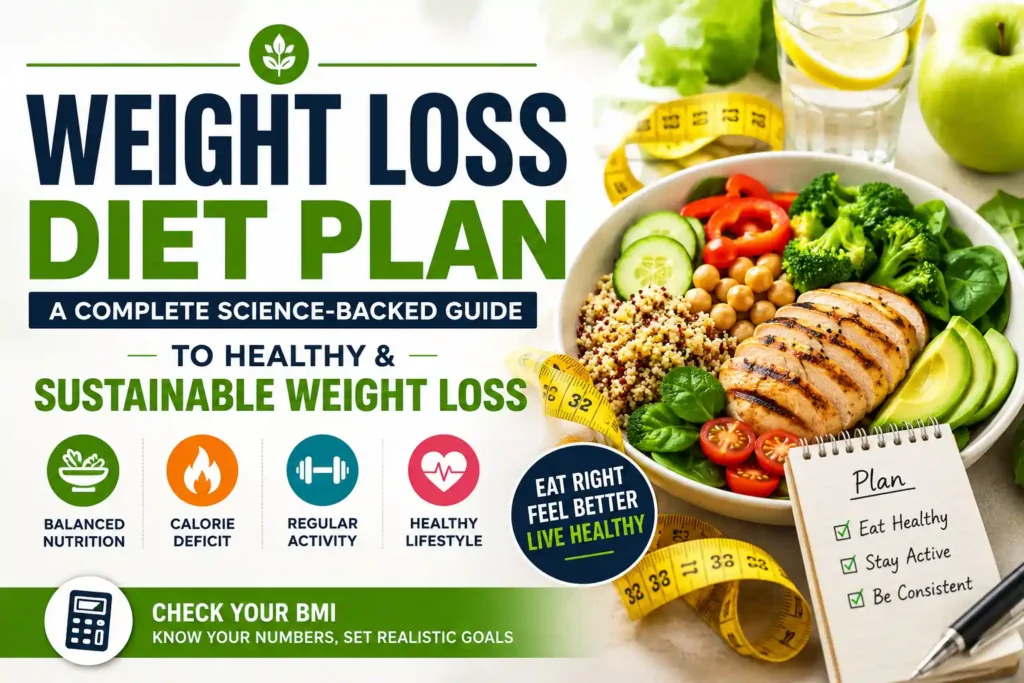
Looking for a weight loss diet plan that actually works? Whether you’re trying to lose your first 5 kg or improve your overall health, choosing the right eating plan can make all the difference. A sustainable diet focuses on balanced nutrition, realistic calorie intake, regular physical activity, and healthy lifestyle habits not crash diets or quick fixes.
To achieve real, lasting results, your strategy must be rooted in modern nutritional education. True fat loss is not about starving your body. Instead, it requires a clear understanding of how whole foods, physical activity, and metabolic health work together to help you drop excess body fat safely.
What Is a Weight Loss Diet Plan?
A weight loss diet plan is a structured, nutritionally balanced eating strategy designed to help an individual achieve a healthy weight loss. Unlike restrictive crash trends, an effective plan focuses on portion control, nutrient-dense whole foods, and a controlled calorie deficit while protecting lean muscle mass and supporting overall metabolic health.
A comprehensive plan is far more than a temporary food restriction checklist. It serves as an educational blueprint for a healthy lifestyle. A well-designed system prioritizes long-term dietary changes over quick fixes, ensuring that your body receives essential macronutrients proteins, carbohydrates, and healthy fats alongside vital vitamins and minerals.
Every individual has unique nutritional requirements based on age, lifestyle, biological sex, and underlying medical conditions. A successful strategy accounts for these differences by focusing on sustainable habits. Instead of forcing you to eliminate entire food groups, it teaches you how to balance your favorite meals with highly nutritious ingredients. This balanced approach helps stabilize blood sugar, manage daily hunger signals, and keep your energy steady throughout the day.
Why Most Weight Loss Diet Plans Fail
Most weight loss programs fail because they rely on severe calorie deprivation, which can lead to metabolic adaptation, making continued weight loss more challenging and triggers intense cravings. Programs that ignore individual body mass index (BMI) metrics, expect overnight results, or rely entirely on exercise without addressing underlying nutrition habits are highly unsustainable over time.
Following Restrictive Diets
When you sharply restrict your food intake, your body shifts into a protective survival mechanism. It begins slowing down your basal metabolic rate to conserve energy. This approach can lead to nutritional deficiencies, chronic fatigue, and muscle loss. Once you return to a normal eating pattern, your body quickly stores the incoming calories, which often leads to regaining all the lost weight.
Ignoring BMI
Many people start a weight loss diet plan without first understanding their current weight status. Calculating your Body Mass Index (BMI) is a simple way to determine whether you are underweight, at a healthy weight, overweight, or living with obesity. Knowing this information helps you set realistic goals and choose an appropriate nutrition strategy.
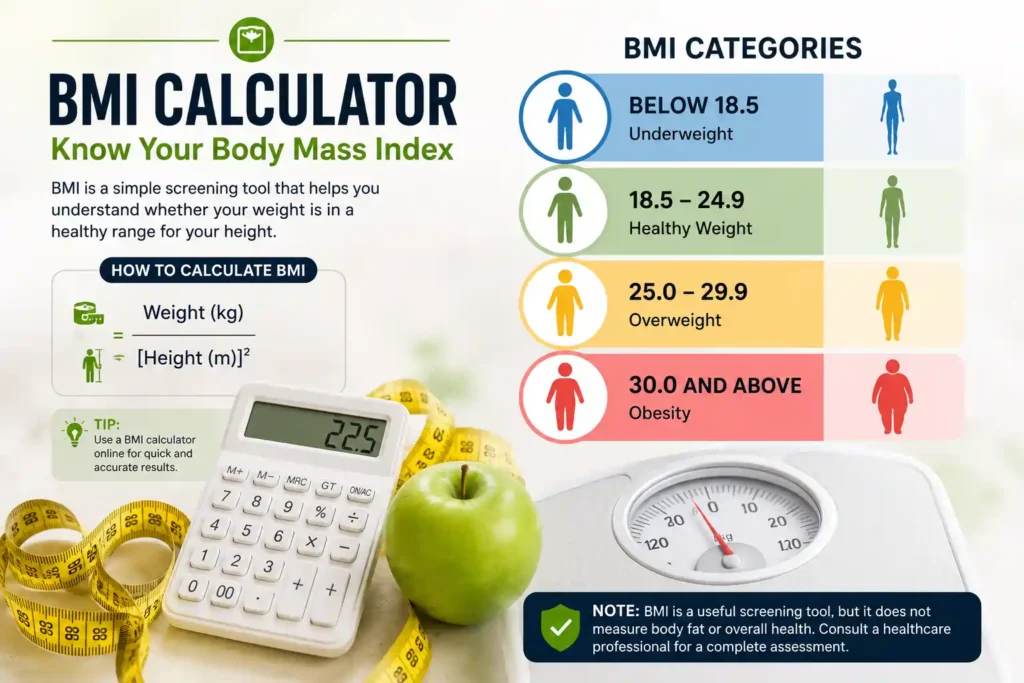
BMI Categories
| BMI Range | Weight Category |
| Below 18.5 | Underweight |
| 18.5–24.9 | Healthy Weight |
| 25.0–29.9 | Overweight |
| 30.0 and Above | Obesit |
Remember: BMI is a useful screening tool, but it does not directly measure body fat or overall health. Factors such as age, muscle mass, sex, and waist circumference should also be considered. Athletes and highly muscular individuals may have a high BMI despite having low body fat.
Expecting Quick Results
True physiological fat reduction requires time, patience, and consistency. Many commercial programs promise rapid weight reduction within a few days, but this initial drop is almost entirely water weight and stored glycogen rather than actual body fat. Unrealistic expectations often cause frustration, leading many people to abandon their fitness journeys before their new, healthy habits can deliver lasting changes.
Relying Only on Exercise
Physical activity is highly beneficial for your cardiovascular system, mental clarity, and muscle tone. However, working out cannot fix a poor diet. It is remarkably easy to consume more calories in a single snack than you burn during an hour-long workout session. For permanent progress, structural changes to your daily nutrition must serve as the foundation of your fat-loss strategy.
How Weight Loss Actually Works
Weight loss occurs when you create a safe calorie deficit, causing your body to burn stored fat for fuel. This process is optimized by consuming high protein to protect lean muscle, fiber for lasting fullness, healthy fats for hormone production, and consistent hydration to keep your metabolism running efficiently.
THE FOUR CORE PILLARS OF FAT LOSS
| Pillar | Why It Matters |
| Calorie Deficit | Helps your body burn stored fat by using more energy than you consume. |
| Protein Intake | Preserves lean muscle mass, improves satiety, and supports recovery. |
| Dietary Fiber | Slows digestion, keeps you full longer, and supports gut health. |
| Hydration | Supports metabolism, digestion, and overall body functions while reducing the likelihood of mistaking thirst for hunger. |
Calorie Deficit
At its core, reducing weight requires a consistent calorie deficit, which means consuming slightly fewer calories than your body burns each day. According to the Centers for Disease Control and Prevention (CDC), a safe target is dropping roughly 1 to 2 pounds per week. This gradual pace helps protect your lean muscle tissue and prevents your metabolism from slowing down.
Protein
Most adults trying to lose weight benefit from including a source of protein in every main meal to improve satiety and preserve lean muscle mass. Consuming enough high-quality protein is vital when reducing your daily calories. Protein has a high thermic effect of food, meaning your body uses more energy to digest it compared to other nutrients. It also triggers fullness hormones, keeping you satisfied between meals. For practical meal setup tips, Learn more in our detailed guide on what actually works for sustainable weight loss without starving yourself.
Fiber
Dietary fiber is an essential tool for healthy weight management. Found in vegetables, fruits, and whole grains, fiber adds volume to your meals without adding extra calories. It slows down digestion and stabilizes your blood sugar, which stops the sudden glucose drops that cause intense sugar cravings.
Healthy Fats
Many people mistakenly cut out all fats when trying to lose weight. However, healthy fats from sources like avocados, nuts, seeds, and olive oil are critical for hormone production, brain health, and nutrient absorption. Including moderate amounts of clean fats helps keep you satisfied, making your overall routine much easier to sustain.
Hydration
Drinking enough water is vital for a healthy metabolism. Mild dehydration is frequently mistaken for hunger, which can lead to accidental overeating. Staying hydrated helps your kidneys flush out metabolic waste and supports your body’s natural fat-burning pathways during physical activity.
Best Foods for Healthy Weight Loss
The best foods for sustainable weight loss are nutrient-dense whole ingredients that offer high nutritional value per calorie. These include lean proteins, fiber-rich vegetables, whole grains, and healthy fats, which support a stable metabolism and keep hunger signals balanced throughout the day.
| Food Group | Healthy Choices | Main Benefits |
| Lean Protein | Chicken, fish, eggs, tofu, lentils | Supports muscle maintenance and keeps you full |
| Vegetables | Broccoli, spinach, cauliflower, cabbage | Low in calories and rich in fiber and nutrients |
| Fruits | Apples, berries, oranges, pears | Provide vitamins, antioxidants, and natural fiber |
| Whole Grains | Oats, quinoa, brown rice | Supply steady energy and improve satiety |
| Healthy Fats | Olive oil, avocado, almonds, walnuts | Support hormone production and heart health |
| Healthy Drinks | Water, green tea, unsweetened herbal tea | Help maintain hydration and overall health |
For a structured, step-by-step approach to mapping out your grocery shopping lists, you can easily use our complete breakdown of a balanced diet plan for weight loss.
Foods to Limit
To achieve consistent weight loss, you should limit ultra-processed foods, refined carbohydrates, and sugary beverages. These items cause rapid blood sugar spikes, increase internal fat storage, disrupt your natural gut health, and offer very little nutritional value.
| Limit These Foods | Better Alternatives |
| Sugary soft drinks | Water, sparkling water, unsweetened beverages |
| White bread | Whole grain bread |
| Sugary breakfast cereals | Oatmeal or high-fiber cereal |
| Fried fast food | Grilled chicken, baked fish, or homemade meals |
| Candy and pastries | Fresh fruit or Greek yogurt |
| Processed snacks | Mixed nuts, roasted chickpeas, or fresh vegetables |
For those who enjoy traditional regional flavors but want to learn how to prepare them cleanly, see our guide on the best diet plan for weight loss while still enjoying the taste of asian food.
Common Weight Loss Myths
| Myth | Fact |
| Skipping meals helps you lose weight faster. | It often increases hunger and can lead to overeating later. |
| Carbohydrates should be completely avoided. | Whole grains and complex carbohydrates can be part of a healthy diet. |
| Fat-free foods are always healthier. | Many fat-free products contain added sugar or refined starches. |
| Exercise alone is enough to lose weight. | Long-term success usually requires both balanced nutrition and regular physical activity. |
| Rapid weight loss is always better. | Gradual weight loss is generally safer and easier to maintain. |
Understanding the science behind nutrition helps you avoid common pitfalls. For instance, skipping breakfast is often promoted as an easy way to cut calories, but it frequently backfires by causing severe overeating at lunch.
Similarly, many fat-free commercial foods are packed with added sugars and chemical starches to make up for lost flavor, which can quiet easily stall your fitness goals. Relying on verified medical data from organizations like the National Institutes of Health (NIH) ensures your lifestyle choices are built on facts rather than marketing trends.
Special Considerations
Specialized weight loss diet plans are essential for individuals managing chronic conditions like PCOS, diabetes, or insulin resistance. Tailoring your macronutrients to address these unique hormonal and metabolic concerns helps stabilize blood sugar and ensures safe, effective fat loss.
PCOS (Polycystic Ovary Syndrome)
PCOS can make weight reduction challenging due to underlying hormonal imbalances and a tendency to store fat easily. A successful strategy should focus on reducing systemic inflammation and balancing insulin levels. To see how these principles work in real life, you can explore the case study of real weight loss results: hina lost 17 kg in 4 months with pcos and an endomorph body type.
Diabetes
Managing diabetes requires careful carbohydrate control to prevent dangerous spikes in blood glucose. Individuals navigating these health challenges need a plan that balances complex carbohydrates with lean proteins and healthy fats. For a detailed look at how to manage these choices, you can read our guide on understanding and managing diabetes with the best and worst foods for blood sugar control.
Insulin Resistance
When your cells stop responding efficiently to insulin, your body stores excess calories as fat instead of burning them for daily energy. Reversing this cycle requires focusing on fiber-rich foods and removing refined sugars. To understand how this impacts your body, read our resource on understanding insulin resistance and its nutritional impact.
When Should You Consult a Nutritionist?
Consulting a qualified nutritionist or registered dietitian can be beneficial if you’re struggling to lose weight, have an underlying medical condition, or need a personalized eating plan. Professional guidance helps ensure your nutrition strategy is safe, balanced, and tailored to your individual health needs.
While many people can begin improving their eating habits by following evidence-based nutrition advice, there are situations where professional guidance can make a significant difference. A qualified nutritionist can assess your medical history, lifestyle, dietary habits, and health goals to develop a plan that is both practical and sustainable.
You may benefit from consulting a nutritionist if you:
- Have been unable to lose weight despite consistent effort.
- Have obesity or significant weight gain.
- Are living with diabetes, prediabetes, or insulin resistance.
- Have PCOS, thyroid disorders, or other hormone-related conditions.
- Need a personalized meal plan based on your medical history.
- Are unsure how to meet your nutritional needs safely.
Working with a qualified professional can also help you identify common barriers to weight loss, improve your eating habits, and develop realistic strategies that fit your daily routine rather than relying on restrictive diets or short-term trends.
If you’d like to learn more about choosing the right nutrition professional, our guide on Frequently Asked Questions About Dietitians or Nutritionists explains their qualifications, roles, and how they can support different health goals.
For readers looking for additional educational resources, you may also find these articles helpful:
These resources explain the services nutrition professionals provide and the situations where individualized nutrition guidance may be beneficial.
Conclusion
Building a sustainable weight loss diet plan is a powerful way to take control of your long-term health. Real, lasting results come from consistent daily habits, mindful portion control, and a focus on nutrient-dense whole foods.
By avoiding restrictive crash trends and tracking your starting metrics with a reliable BMI calculator, you can protect your metabolism and achieve healthy weight management. Real progress takes time, but a science-backed approach will help you reach your health goals safely and maintain them for life.
Frequently Asked Questions
What is the most reliable weight loss diet plan?
The most reliable plan is a flexible, balanced strategy that focuses on whole foods, adequate protein, and high fiber. It should be easy to follow long-term without causing extreme hunger or fatigue.
How can I find out if my current body weight is healthy?
You can easily check your status by using a digital BMI calculator. Using this tool allows you to find your body mass index baseline instantly and set realistic goals.
Why am I not losing weight while in a calorie deficit?
Weight loss can stall due to inaccurate portion tracking, metabolic adaptation, or high cortisol from stress. Underlying health issues like insulin resistance or low thyroid function can also slow down your progress.
Can I drop body fat without completely cutting out carbohydrates?
Yes. Complex carbohydrates like oats, quinoa, and sweet potatoes supply clean energy, vital micronutrients, and dietary fiber. Choosing these over refined starches supports safe, steady fat loss.
What is a safe amount of weight to lose each week?
According to major health organizations like the World Health Organization (WHO), losing roughly 0.5 to 1 kilogram (1 to 2 pounds) per week is a safe, sustainable target that helps preserve lean muscle.
How does improving gut health support overall weight management?
A healthy gut microbiome reduces internal inflammation and helps regulate your natural hunger hormones, which can help reduce intense sugar cravings and support a healthy metabolism.
When should I speak with a clinical nutritionist?
It is a good idea to speak with a professional if you are managing chronic conditions like PCOS or diabetes, struggling with a weight loss plateau, or looking for a customized plan tailored to your lifestyle.
Medical Disclaimer
The information provided in this article is for educational purposes only and should not be taken as medical advice. Always consult with a qualified healthcare professional or registered dietitian before making major changes to your diet, exercise routine, or health management plan.