Evidence-based nutrition guidance
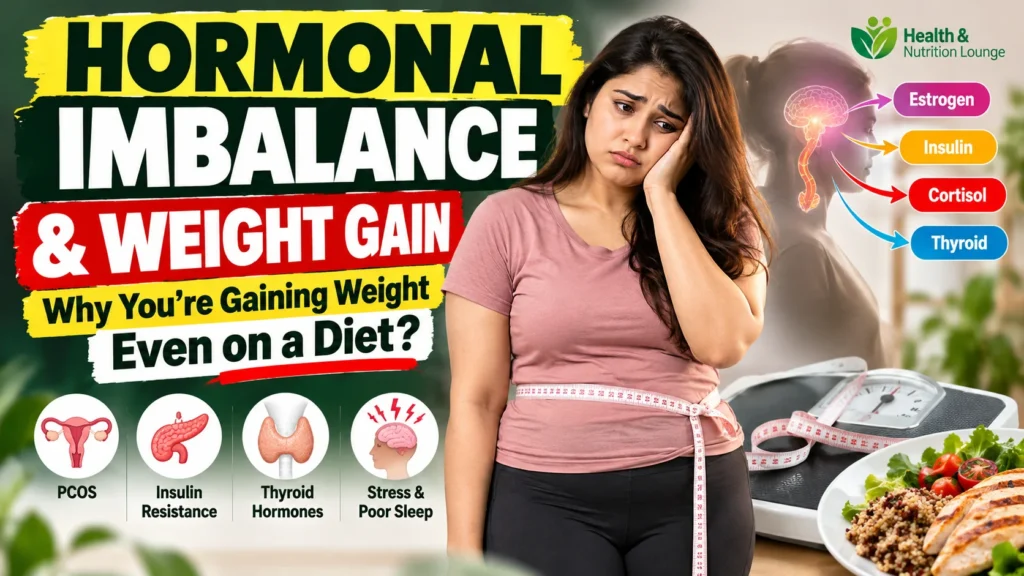
Eating carefully and exercising but still struggling with weight loss? Hormones may be one part of the picture but they are not the only explanation. Learn how PCOS, thyroid function, insulin resistance, stress, sleep and everyday habits can affect weight, and when to seek professional assessment.
Reviewed in the context of nutrition care by Muhammad Zain Shahid, Consultant Nutritionist/Dietitian. This article is for education and does not replace an individual medical assessment.
Dieting and Exercise but No Weight Loss?
It can be frustrating when you are trying to improve your food choices, walking regularly and exercising, but the scale barely moves. Weight change is influenced by several interacting factors, including food intake, activity, sleep, medications, stress, genetics and some medical conditions.
Hormonal conditions such as hypothyroidism and polycystic ovary syndrome (PCOS) can make weight management more challenging for some people. However, weight gain alone does not prove that a hormone is “imbalanced.” A practical first step is to review your routine and progress, then seek an appropriate clinical assessment if symptoms or persistent concerns suggest an underlying issue.
Important: No single food, supplement or “hormone-balancing” detox can diagnose or treat the cause of unexplained weight gain. Avoid stopping prescribed medicines or starting hormone-related supplements without advice from a qualified clinician.
What Are Hormones and How Do They Affect Weight?
Hormones are chemical messengers made by glands and tissues. They help coordinate processes such as appetite, energy use, blood glucose regulation, reproductive function and sleep. Because these systems interact, a hormonal condition may influence weight directly or indirectly.
Hormones do not work in isolation. Weight is also affected by eating patterns, portions, physical activity, muscle mass, sleep quality, stress, environment and medications. That is why effective care focuses on the whole person rather than assuming one hormone is responsible for every plateau.
The Role of Hormones in Metabolism, Hunger, Fat Storage and Sleep
- Insulin: helps move glucose from the bloodstream into cells and supports normal energy storage and use.
- Thyroid hormones: help regulate the body’s energy expenditure and many metabolic processes.
- Leptin and ghrelin: participate in signals related to fullness and hunger; sleep and energy restriction can influence appetite regulation.
- Cortisol: helps the body respond to stress. Persistent stress can affect sleep, appetite, food choices and activity, but everyday stress does not automatically mean cortisol is abnormally high.
- Reproductive hormones: changes across the menstrual cycle, perimenopause and menopause may affect symptoms, fluid balance, appetite or body composition in different ways.
These effects vary between individuals. It is more accurate to assess patterns and symptoms than to attribute all weight changes to one hormone.
Hormonal Imbalance and Weight Gain: What Do the Statistics Tell Us?
Obesity is a complex, chronic condition influenced by biological, behavioural, social and environmental factors. The World Health Organization reports that obesity has become a major global health issue. Separately, PCOS is a common endocrine condition among reproductive-age women, and thyroid disorders affect metabolism in some people.
These statistics should not be interpreted as meaning that most people who struggle with weight loss have a hormonal disorder. Nor can a global estimate be used as a precise estimate for a specific city or country. Use current national surveillance or peer-reviewed population studies when quoting Pakistan-specific prevalence figures.
For responsible health content: do not state a Pakistan-specific PCOS prevalence number unless the study population, diagnostic criteria and source are clearly identified. Estimates vary depending on how PCOS is defined and which population is studied.
PCOS Prevalence Worldwide and in Pakistan
Polycystic ovary syndrome (PCOS) is a hormonal and metabolic condition that may involve irregular ovulation, higher androgen levels and characteristic ovarian findings. Not everyone with PCOS has the same symptoms, and ovarian appearance alone is not enough to diagnose it.
PCOS is associated with insulin resistance in many but not all patients. Some people experience weight gain or find weight management more difficult, while others with PCOS do not have excess weight. Diagnosis should follow appropriate clinical criteria and consider other possible explanations for symptoms.
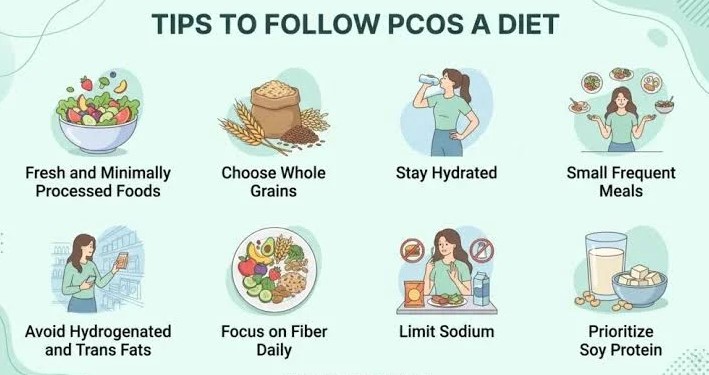
For practical food and lifestyle guidance, see our evidence-based PCOS diet plan and our PCOS weight-loss guide. These resources support education and do not replace diagnosis or individualized medical care.
Insulin Resistance and PCOS: Does Insulin Block Fat Burning?
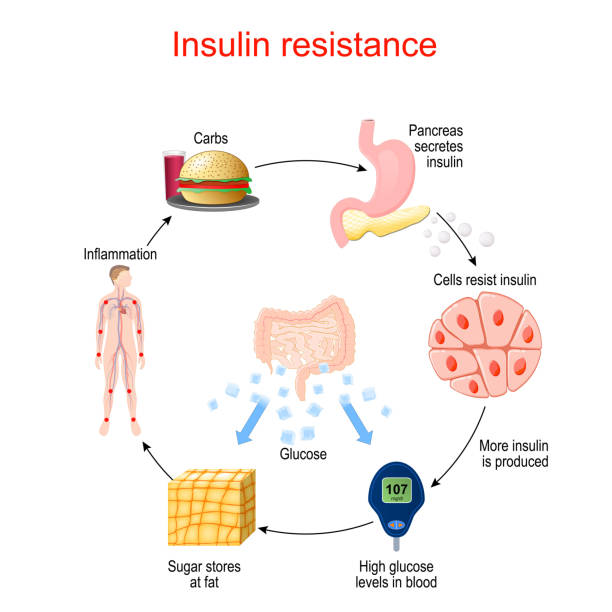
Insulin is essential for normal metabolism. After a meal, it helps the body manage glucose and coordinate energy storage. Insulin resistance means that cells respond less effectively to insulin, so the body may compensate by producing more. It is associated with PCOS in many patients and is also linked with prediabetes and type 2 diabetes.
It is misleading to say that insulin simply “blocks fat burning” or that insulin resistance makes weight loss impossible. Body-fat change depends on energy balance over time, alongside appetite, physiology, activity, sleep and other factors. Insulin resistance can make weight management more complicated for some people, but it is manageable with appropriate lifestyle support and medical care.
Read our guide to insulin resistance, its causes, symptoms and nutrition management for more detail.
Why Stress, Poor Sleep and Overthinking May Affect Belly Fat
Stress can affect appetite, cravings, sleep and the motivation or time available for physical activity. Poor sleep may also influence hunger and fullness signals and make routines harder to maintain. Over time, these patterns can contribute to weight gain for some people.
Cortisol is involved in the stress response, but belly fat is not a reliable sign of “high cortisol.” Persistently elevated cortisol caused by a medical condition such as Cushing syndrome is uncommon and needs medical assessment. If you have concerning symptoms—such as easy bruising, wide purple stretch marks, muscle weakness or rapid unexplained changes—contact a clinician rather than self-diagnosing.
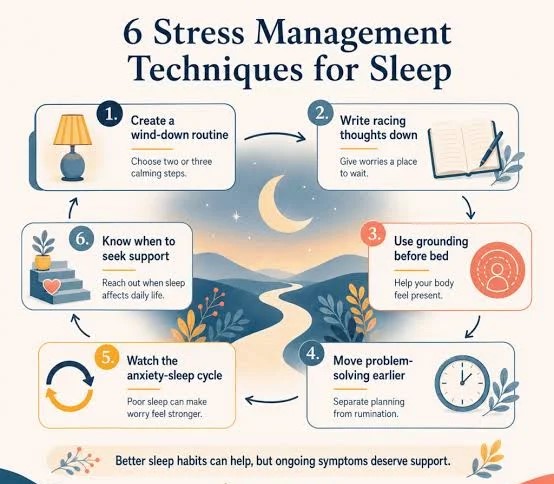
Stress management and healthy sleep habits may support overall wellbeing and sustainable weight management.
Watch: A Real-Life Weight Loss and Diabetes Journey
See a real-world story about weight management, lifestyle changes and consistency. Individual results vary, and a personal story is not a guarantee of a particular outcome.
Watch the weight loss and diabetes reversal journey on YouTube
Thyroid Hormones and a Slower Metabolism
The thyroid gland produces hormones that help regulate many body functions, including energy use. An underactive thyroid (hypothyroidism) can be associated with tiredness, feeling cold, constipation, dry skin and weight gain. The symptoms are not specific to thyroid disease, so testing is needed when clinically appropriate.
Hypothyroidism-related weight gain is often modest and can partly reflect salt and water retention. Not every weight plateau is caused by the thyroid. A clinician may assess symptoms and request thyroid function tests, such as TSH and free T4, depending on the situation. Do not take thyroid medication for weight loss unless it is prescribed for a diagnosed condition.

Estrogen Changes in Females and Weight Gain
Estrogen and other reproductive hormones change throughout the menstrual cycle and during life stages such as perimenopause and menopause. Some people notice changes in appetite, fluid retention, sleep or where body fat is stored. Ageing, changes in muscle mass, activity, sleep and other factors can also contribute.
PCOS is not simply an “estrogen imbalance.” It is a complex condition that may involve androgen levels, ovulatory dysfunction and metabolic factors. Irregular periods, excess facial or body hair, persistent acne or difficulty conceiving are reasons to discuss symptoms with a healthcare professional.
Why Calorie Counting May Not Tell the Whole Story
Energy balance still matters for body-weight change, but calorie estimates and tracking are imperfect. Portion sizes, cooking oils, drinks, weekend meals, changes in activity, sleep, medications and fluid shifts can all affect the scale. Food labels and fitness trackers also provide estimates rather than exact measurements.
If progress has stalled, review the pattern over several weeks instead of reacting to one weigh-in. Consider whether portions and snacks are being recorded consistently, whether activity has changed, and whether sleep or stress is affecting routine. If weight gain is unexplained or accompanied by symptoms, seek an assessment rather than cutting calories aggressively.
For structured nutrition support, explore our weight-loss diet plan and weight-management diet planning resources.
Signs That Your Weight Gain May Need Medical Assessment
Weight gain by itself cannot identify a hormonal problem. Consider arranging a medical review if weight changes are persistent, unexplained or occur alongside symptoms such as:
- New or persistent irregular periods, or periods stopping unexpectedly.
- Marked tiredness, unusual sensitivity to cold, constipation or dry skin.
- New or worsening acne, excess facial hair or scalp hair thinning alongside menstrual changes.
- Increased thirst or urination, or other symptoms that could indicate high blood glucose.
- Rapid weight change, substantial swelling or shortness of breath.
- Easy bruising, muscle weakness or wide purple stretch marks alongside rapid central weight gain.
These symptoms have several possible causes. A qualified clinician can decide whether examination, blood tests or referral is appropriate.
Common Symptoms You Should Not Ignore
Keep a simple record of changes in weight, menstrual cycle, sleep, energy, medicines and other symptoms. Bring it to your appointment. Depending on your history, a clinician may consider thyroid function, glucose regulation, PCOS or other conditions; testing should be guided by symptoms and clinical judgment rather than ordering every hormone test routinely.
| Symptom or pattern | Possible next step |
|---|---|
| Irregular periods with acne or excess facial hair | Discuss assessment for PCOS and other causes with a clinician. |
| Fatigue, constipation and cold sensitivity | Ask whether thyroid evaluation is appropriate. |
| Increased thirst and urination | Seek prompt medical advice about blood glucose testing. |
| Rapid unexplained weight gain or swelling | Arrange medical review; seek urgent care if accompanied by severe symptoms or breathlessness. |
Why Crash Diets Often Fail in Hormonal Imbalance
Very restrictive diets may be difficult to sustain and can increase hunger, fatigue and preoccupation with food. Rapid weight changes may also reflect water loss rather than fat loss. Severe restriction can make it harder to meet protein, fibre, vitamin and mineral needs, and may be inappropriate for people with certain medical conditions.
A sustainable plan is usually built around regular meals, suitable portions, adequate protein and fibre, enjoyable activity, sleep and realistic monitoring. People with PCOS, thyroid disease or diabetes may need additional individualized care, but they do not need to rely on detoxes or extreme food rules.
Hormone-Supportive Weight Management Tips
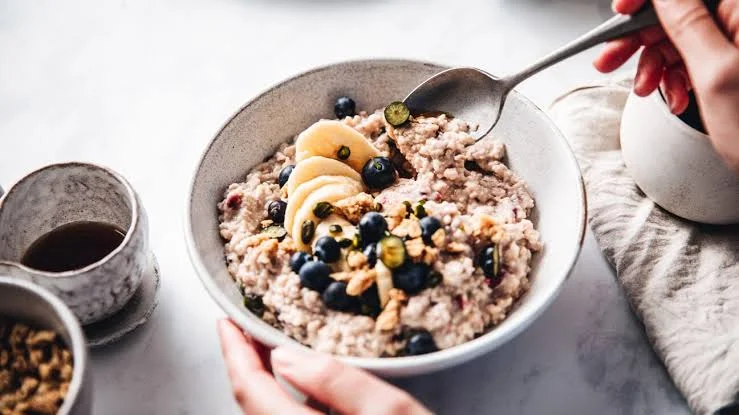
- Build balanced meals. Include vegetables, a protein source, high-fibre carbohydrates and healthy fats in portions suited to your needs.
- Prioritize protein and fibre. Eggs, fish, chicken, pulses, beans, yogurt if tolerated, vegetables, fruit and whole grains can support fullness and overall diet quality.
- Move consistently. Combine regular walking or other aerobic activity with strength training appropriate to your fitness and health status.
- Protect sleep. Aim for a consistent sleep schedule and discuss persistent insomnia or loud snoring with a clinician.
- Use stress-management strategies. Try realistic options such as planned breaks, breathing exercises, social support or counselling where appropriate.
- Avoid extreme restriction. Choose changes you can maintain and monitor trends over time rather than expecting daily scale changes.
- Review medicines and symptoms with your clinician. Some medicines can affect weight; never stop or change them without medical advice.
- Track more than weight. Consider waist measurement, strength, energy, sleep and relevant clinical markers where appropriate.
For individualized support, the Health & Nutrition Lounge Transformation Program describes one route to structured nutrition and lifestyle guidance. Suitability depends on individual needs and should be discussed with the care team.
When to Seek Professional Help for Weight Loss
Seek professional advice if you have persistent unexplained weight gain, significant menstrual changes, symptoms suggestive of thyroid disease or high blood glucose, or repeated difficulty following a plan that meets your needs. A dietitian can help assess food patterns and build a practical plan; a physician or relevant specialist can evaluate medical causes and determine whether tests or treatment are needed.
If you are looking for local care, see our nutrition consultation options in Rawalpindi, our nutritionist information for Islamabad, or book an appointment. These links are provided for convenience, not as a guarantee of a particular clinical outcome.
Personalized Nutrition Support
Weight management is not one-size-fits-all. If you are concerned about PCOS, insulin resistance, thyroid symptoms or a persistent weight plateau, consider a structured assessment to discuss your health history, routine and goals.
16. Frequently Asked Questions
Can hormonal imbalance cause weight gain even if I eat less?
Some conditions, including hypothyroidism and PCOS, may affect weight management, but weight gain has many possible causes. A symptom review and appropriate clinical assessment are more useful than assuming a hormone problem.
Does PCOS always cause weight gain?
No. PCOS can occur at different body sizes. Some people experience weight-management challenges or insulin resistance, while others do not have excess weight.
Does insulin resistance stop fat loss?
No. It can affect metabolic health and may complicate weight management for some people, but it does not make fat loss impossible. Individualized nutrition, physical activity and medical care can help.
Does belly fat mean my cortisol is high?
No. Abdominal fat alone cannot diagnose high cortisol. A rare condition such as Cushing syndrome requires medical evaluation and should not be self-diagnosed from body shape.
Which hormone tests should I get for weight gain?
There is no single hormone panel suitable for everyone. A clinician can select tests based on your symptoms, medical history, examination and medications.
Should I stop eating carbohydrates if I have PCOS or insulin resistance?
Not necessarily. Carbohydrate quality, portions, fibre, overall energy intake and individual preferences all matter. A balanced plan can include high-fibre carbohydrates; major restrictions should be discussed with a qualified professional.