High blood pressure, also known as hypertension, is a common health condition that can increase the risk of heart disease, stroke and kidney damage if left uncontrolled. Many people have high blood pressure without experiencing noticeable symptoms, making regular monitoring essential for protecting long-term health.
Several factors can contribute to hypertension, including genetics, aging, excessive salt intake, physical inactivity, excess body weight and certain medical conditions. The good news is that healthy lifestyle changes, appropriate nutrition and medical treatment can help many people manage their blood pressure more effectively.
In this article, RDN. Abdullah Sarfaraz explains the causes and types of hypertension, possible symptoms, major complications, nutritious foods and practical lifestyle changes that may support healthy blood pressure. You can also watch our YouTube video on hypertension for additional information.
What Is High Blood Pressure?
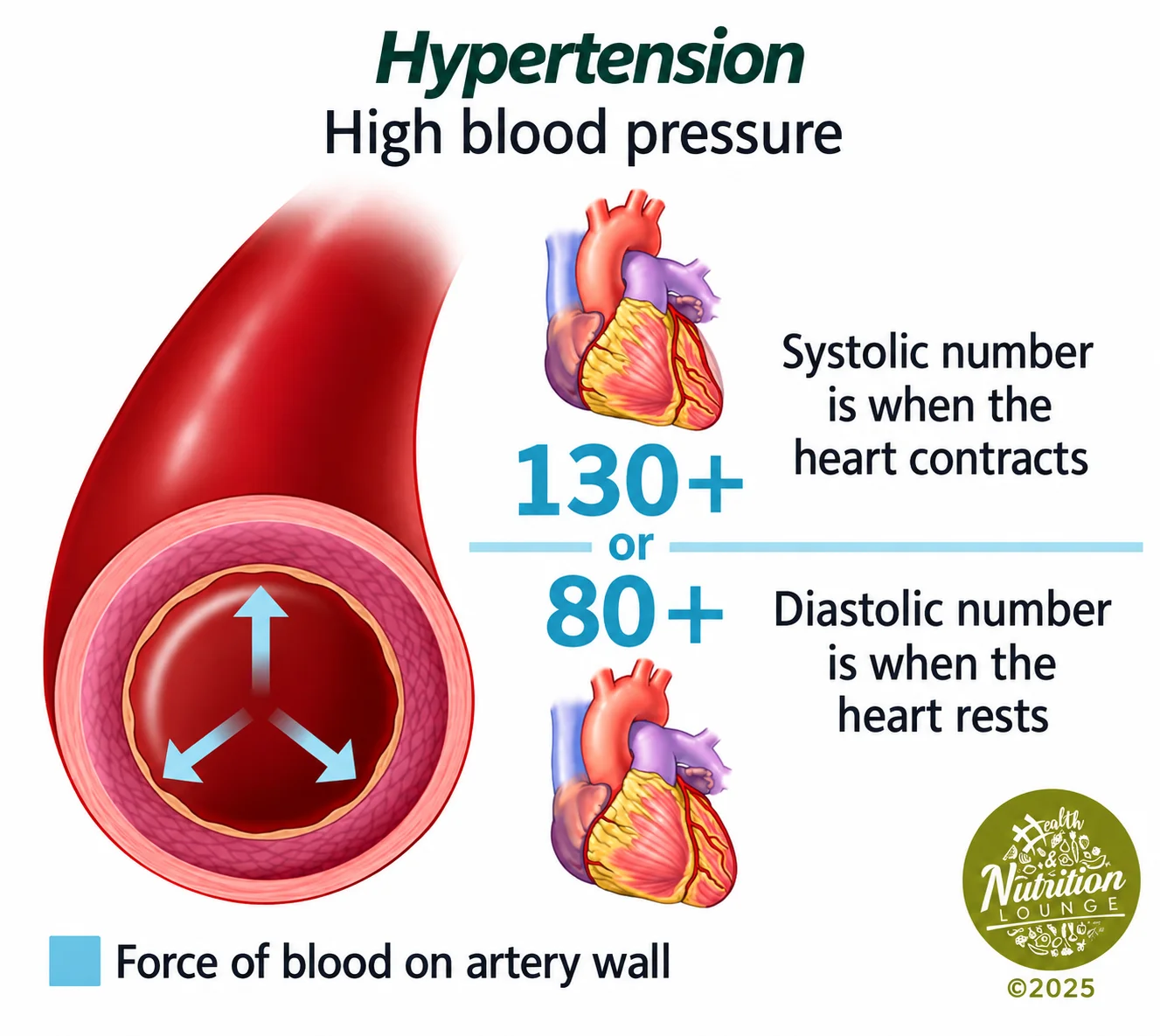
Blood pressure is the force of blood pushing against the walls of your arteries as your heart pumps blood throughout your body. When this pressure remains consistently higher than normal, the condition is called hypertension.
A blood pressure reading contains two numbers, measured in millimetres of mercury (mmHg):
- Systolic pressure: The upper number, which measures pressure when your heart beats.
- Diastolic pressure: The lower number, which measures pressure when your heart relaxes between beats.
For example, a reading of 120/80 mmHg means your systolic pressure is 120 and your diastolic pressure is 80.
What Are the Stages of High Blood Pressure?
The American Heart Association uses the following categories for adults:
| Blood pressure category | Systolic (mmHg) | Diastolic (mmHg) |
| Normal | Below 120 | Below 80 |
| Elevated | 120–129 | Below 80 |
| Stage 1 hypertension | 130–139 | 80–89 |
| Stage 2 hypertension | 140 or higher | 90 or higher |
| Severe hypertension | Higher than 180 and/or | Higher than 120 |
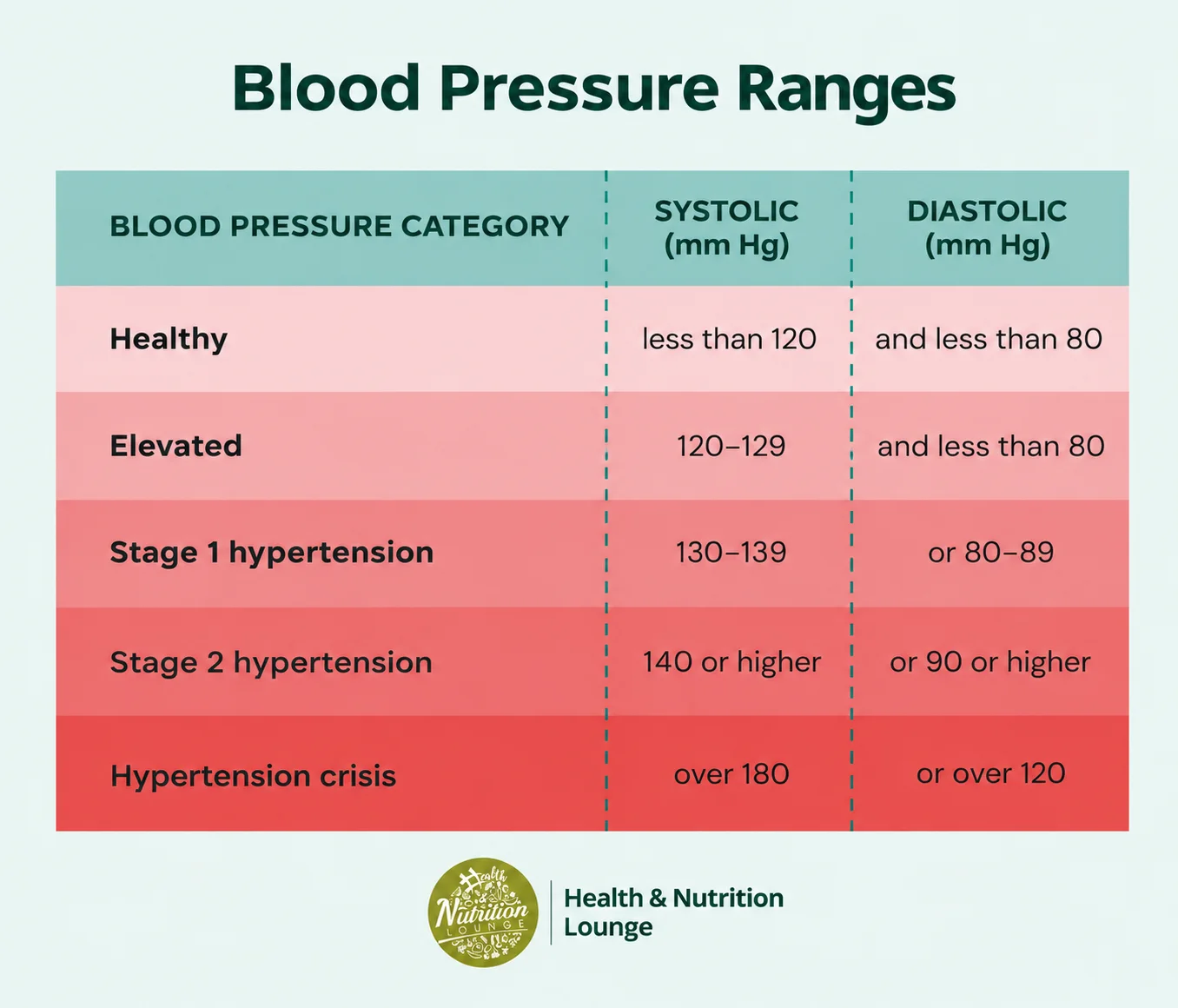
Either number can place a reading within a higher category. A diagnosis usually requires repeated measurements and assessment by a healthcare professional. Other clinical guidelines may use different thresholds.
If your reading is higher than 180 systolic and/or 120 diastolic, wait at least one minute and measure again. If it remains that high, contact a healthcare professional immediately. If you also experience chest pain, difficulty breathing, weakness, vision changes or difficulty speaking, seek emergency medical care.
Types of Hypertension
High blood pressure is generally classified into two main types.
1. Primary Hypertension
Primary, or essential, hypertension develops gradually without one specific identifiable cause. It may result from a combination of genetic, lifestyle and age-related factors.
Common contributors include excessive sodium intake, excess body weight, smoking, physical inactivity and unhealthy dietary habits. Making sustainable lifestyle changes can help manage blood pressure and reduce cardiovascular risk.
2. Secondary Hypertension
Secondary hypertension develops because of an identifiable medical condition or medication. Possible causes include kidney disease, thyroid or adrenal disorders, sleep apnea, narrowed arteries supplying the kidneys and certain prescription or over-the-counter medicines.
Treating the underlying cause may improve blood pressure in some cases. A healthcare professional can determine the appropriate investigations and treatment.
What Causes High Blood Pressure?
Understanding the causes of high blood pressure can help you identify risk factors and make informed decisions about your health.
1. Insulin Resistance
Insulin resistance occurs when the body’s cells respond less effectively to insulin, a hormone that helps regulate blood glucose. It is associated with metabolic syndrome, excess body weight and type 2 diabetes, all of which can increase cardiovascular risk.
Balanced nutrition, regular exercise and appropriate weight management can support metabolic health. Learn more in our article about insulin resistance and its nutritional impact.
2. Excessive Salt Intake
Too much sodium can cause the body to retain fluid and contribute to higher blood pressure, particularly in people who are salt-sensitive.
Common sources include table salt, pickles, salty snacks, processed meats, instant noodles, packaged sauces and other processed foods. Reducing excess sodium and choosing more fresh, minimally processed foods can help support blood pressure management.
3. Physical Inactivity
A sedentary lifestyle can contribute to weight gain and reduced cardiovascular fitness. Over time, these factors may increase the risk of hypertension.
Activities such as brisk walking, cycling and swimming help improve cardiovascular fitness and support healthy blood vessels. Choose activities that suit your health and fitness level.
4. Chronic Stress
Stress activates the body’s fight-or-flight response, which can temporarily increase heart rate and blood pressure. Ongoing stress may also affect sleep, eating habits and physical activity.
Deep breathing, relaxation exercises, adequate sleep and healthy coping strategies can support overall well-being. However, stress management should complement, not replace, appropriate hypertension treatment.
5. Other Risk Factors
Other factors associated with high blood pressure include family history, aging, smoking, excess body weight, kidney disease, hormonal disorders and certain medications.
Some risk factors cannot be changed, but addressing modifiable habits and monitoring blood pressure regularly can help reduce overall cardiovascular risk.
Major Complications of Uncontrolled Hypertension
High blood pressure can damage blood vessels and vital organs over time, even when a person feels completely well.
1. Brain Damage and Stroke
Persistent hypertension damages blood vessels and increases the risk of stroke. It is also associated with vascular dementia and cognitive decline.
2. Heart Disease and Heart Attack
When blood pressure remains high, the heart must work harder to pump blood. This can cause thickening or weakening of the heart muscle and increase the risk of coronary artery disease, heart attack and heart failure.
3. Kidney Damage
High blood pressure can damage the tiny blood vessels that filter waste from the blood. This may contribute to chronic kidney disease and, in severe cases, kidney failure.
4. Eye Damage
Hypertension can damage the small blood vessels in the retina, a condition known as hypertensive retinopathy. Severe damage may affect vision.
5. Artery Damage
Persistent high blood pressure can injure artery walls and contribute to atherosclerosis, in which fatty deposits narrow the arteries. It can also increase the risk of an aneurysm.
These complications highlight why regular blood pressure checks are important, even when you have no symptoms.
Four Possible Signs and Symptoms of High Blood Pressure
Most people with hypertension do not experience noticeable symptoms. Headaches, dizziness, fatigue and heart palpitations can occur for many reasons, but none reliably confirms high blood pressure.
1. Headaches
Headaches can result from dehydration, stress, migraines and many other conditions. They are not a reliable sign of hypertension.
A sudden, severe headache, especially when accompanied by weakness, confusion or difficulty speaking, requires urgent medical assessment.
2. Dizziness
Dizziness may be associated with dehydration, medication side effects, inner-ear problems or other medical conditions. Repeated episodes should be discussed with a healthcare professional rather than automatically attributed to high blood pressure.
3. Fatigue
Persistent tiredness can be associated with poor sleep, stress, anaemia and various medical conditions. Fatigue alone does not establish that your blood pressure is high.
4. Heart Palpitations
Palpitations are sensations of a racing, pounding or irregular heartbeat. They may be related to stress, caffeine, medication or heart rhythm problems.
Seek medical attention if palpitations persist or recur. If they occur with chest pain, fainting or difficulty breathing, seek emergency care.
Remember: Measuring your blood pressure is the reliable way to identify hypertension. Do not wait for symptoms before checking it.
Three Nutritious Foods That May Support Healthy Blood Pressure
A balanced diet can contribute to better blood pressure management. The following foods provide useful nutrients, but none should be considered a cure for hypertension.
1. Pumpkin Seeds
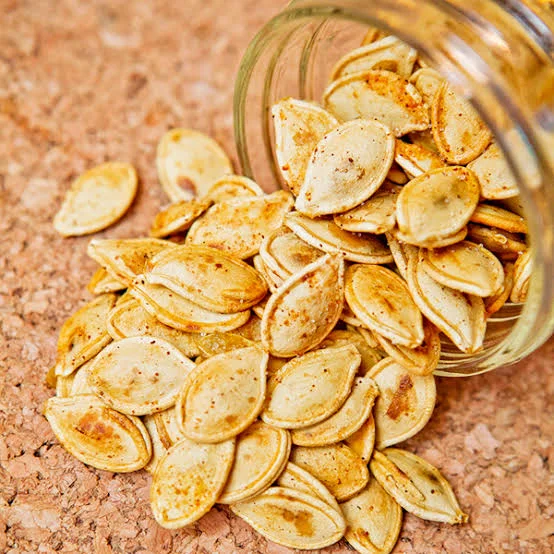
Pumpkin seeds contain magnesium, potassium and other nutrients that support normal muscle function and cardiovascular health.
You can add a small portion of unsalted pumpkin seeds to breakfast, yoghurt or salads. Choose unsalted varieties to avoid unnecessary sodium. If you have kidney disease or have been advised to restrict potassium, consult your healthcare professional before significantly increasing your intake.
2. Beetroot Juice
Beetroot contains natural nitrates that the body converts into nitric oxide, a compound that helps blood vessels relax.
Research suggests that beetroot juice may modestly lower blood pressure in some people. However, results vary, and beetroot juice should not replace prescribed medication or regular medical monitoring.
3. Chia Seeds
Chia seeds provide fibre, plant-based omega-3 fatty acids and minerals, including magnesium. These nutrients can contribute to an overall heart-healthy eating pattern.
Add chia seeds to oatmeal, yoghurt or smoothies. Start with a suitable portion and consume them with adequate fluid.
Alongside these foods, include vegetables, fruits, whole grains, legumes and other minimally processed foods in your daily diet. Limiting excess sodium and maintaining balanced eating habits are more important than relying on a single ingredient.
Is Hypertension Reversible?
Hypertension can often be managed effectively, and some people achieve healthy blood pressure readings through lifestyle changes and medical treatment. However, whether it can be permanently reversed depends on the cause, severity and individual health circumstances.
People with secondary hypertension may experience improvement when the underlying medical condition is successfully treated. Others may need long-term medication and ongoing monitoring to keep their blood pressure controlled.
Never stop, reduce or change prescribed blood pressure medication without consulting your healthcare professional, even if your readings improve.
Three Practical Ways to Help Lower Blood Pressure Naturally
Healthy lifestyle changes can complement medical treatment and support long-term cardiovascular health.
1. Maintain a Healthy Weight
Excess body weight can increase the risk of hypertension. For people who are overweight, gradual and sustainable weight loss may help improve blood pressure and reduce cardiovascular risk.
Focus on balanced meals, suitable portions, regular activity and habits you can maintain over time. Avoid crash diets and unproven remedies.
For practical guidance, explore our healthy weight loss diet plan or learn about HNL’s Transformation Program.
2. Exercise Regularly
Many adults should aim for at least 150 minutes of moderate-intensity physical activity each week, adjusted to their health and fitness level.
Brisk walking, cycling and swimming are useful options. Start gradually if you have been inactive and increase activity as tolerated. If your blood pressure is severely uncontrolled or you have other medical conditions, seek medical advice before beginning strenuous exercise.
3. Manage Stress and Improve Sleep
Poor sleep and ongoing stress can affect general health and make healthy routines harder to maintain.
Try deep breathing, relaxation exercises, consistent sleep and wake times, and enjoyable activities that help you unwind. If stress is persistent or overwhelming, professional support may be helpful.
You should also reduce excess sodium, avoid smoking, monitor your readings and follow your prescribed treatment plan.
For personalised nutrition and lifestyle support, explore HNL’s Disease Reversal Program and health and nutrition services.
How to Monitor Blood Pressure at Home
Home monitoring helps you and your healthcare professional understand your blood pressure over time.
Follow these steps for more reliable readings:
- Use a validated automatic upper-arm blood pressure monitor with the correct cuff size.
- Avoid smoking, exercise and caffeine for at least 30 minutes before measuring.
- Empty your bladder if needed and sit quietly for five minutes.
- Sit with your back supported, feet flat on the floor and legs uncrossed.
- Rest your arm on a surface at heart level.
- Take two readings about one minute apart and record both.
- Share your readings with your healthcare professional and follow their advice about monitoring frequency.
A single reading does not always establish a diagnosis. Consistent measurements taken correctly provide more useful information.
Conclusion: Take Control of Your Blood Pressure
High blood pressure is a serious but manageable health condition. Although it often causes no noticeable symptoms, uncontrolled hypertension can increase the risk of heart disease, stroke, kidney damage and other complications.
Regular monitoring, reduced sodium intake, balanced nutrition, appropriate weight management, physical activity and healthy sleep habits can all contribute to better blood pressure control.
Pumpkin seeds, beetroot and chia seeds can be part of a nutritious diet, but they cannot replace prescribed medication or professional care. If your readings are consistently high, consult a qualified healthcare professional for assessment and personalised treatment.
Explore Health & Nutrition Lounge’s health services to learn about nutrition and lifestyle support for chronic health conditions.
Consult Dr. Abdullah Sarfaraz
For information about nutrition guidance and personalised support, learn more about RDN. Abdullah Sarfaraz or book an appointment.
Nutrition guidance can complement medical care. Diagnosis, blood pressure medication and treatment decisions should be handled by an appropriately qualified healthcare professional.
Frequently Asked Questions About Hypertension
1. What is hypertension in simple words?
Hypertension means blood consistently pushes against artery walls with higher-than-normal force. Over time, it can increase the risk of heart disease, stroke and kidney problems.
2. What is the main cause of high blood pressure?
There is usually no single cause. Genetics, aging, excess sodium intake, excess body weight, physical inactivity, kidney disease and certain medications can contribute to hypertension.
3. What are the four possible symptoms of high blood pressure?
Headaches, dizziness, fatigue and heart palpitations may occur, but they are not reliable indicators of hypertension. Many people have no symptoms at all.
4. Can high blood pressure be lowered naturally?
Yes. Regular exercise, healthy weight management, reduced sodium intake and a balanced diet can help lower blood pressure. Some people also require medication to control it safely.
5. Which foods may help lower blood pressure?
Vegetables, fruits, whole grains, pumpkin seeds, beetroot and chia seeds can contribute to a heart-healthy diet. No single food cures hypertension.
6. Is beetroot juice good for high blood pressure?
Beetroot contains nitrates that help the body produce nitric oxide, which relaxes blood vessels. Beetroot juice may modestly lower blood pressure in some people, but it should not replace prescribed treatment.
7. Can hypertension be permanently reversed?
Some people achieve healthy blood pressure through lifestyle changes or treatment of an underlying cause. Others need ongoing medication and regular monitoring. Outcomes depend on individual circumstances.
8. Can stress cause high blood pressure?
Stress can temporarily increase blood pressure and may indirectly affect long-term cardiovascular health through poor sleep, unhealthy eating and reduced physical activity.
9. What blood pressure reading is dangerous?
A reading higher than 180 systolic and/or 120 diastolic requires immediate professional guidance. Repeat the measurement after at least one minute. If it remains that high, contact a healthcare professional immediately. Seek emergency care if you also have chest pain, breathing difficulty, weakness, vision changes or difficulty speaking.
10. How often should I check my blood pressure?
The frequency depends on your readings, medical history and healthcare professional’s advice. People with hypertension may need regular home monitoring and should keep a record to discuss at follow-up appointments.