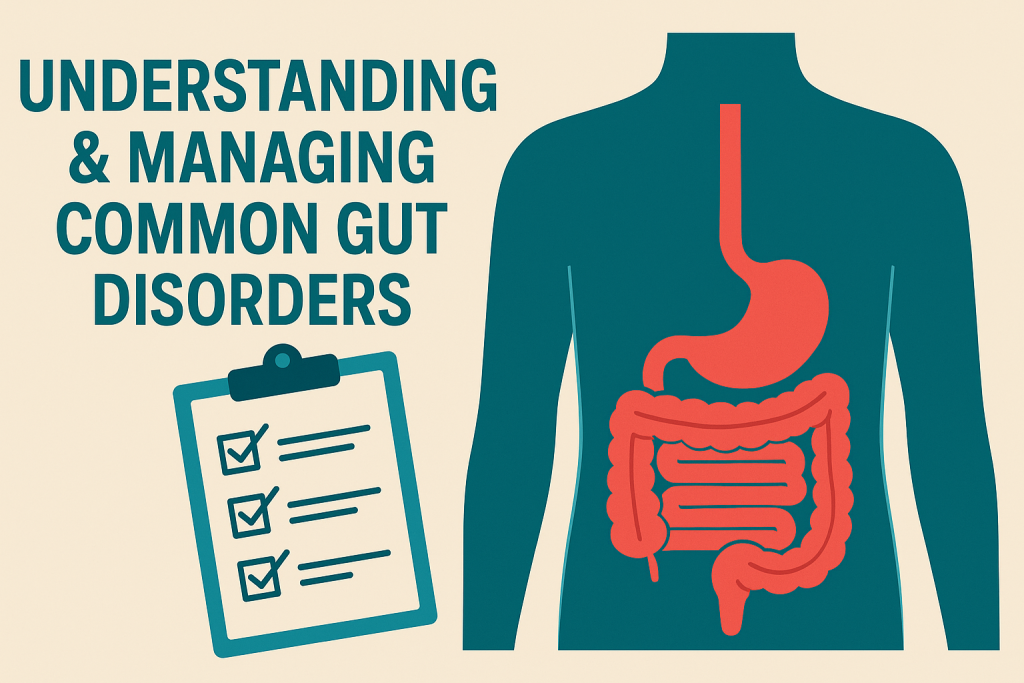
Digestive health plays a vital role in maintaining overall well-being. When the digestive system is not functioning properly, it can lead to common gut disorders such as gastroesophageal reflux disease (GERD), acid reflux, peptic ulcers, stomach ulcers, and Helicobacter pylori (H. pylori) infection. These digestive disorders affect millions of people worldwide and can significantly impact daily life if left untreated.
Many gut disorders develop gradually due to unhealthy eating habits, chronic stress, bacterial infections, smoking, excessive alcohol consumption, or prolonged use of certain medications. Early diagnosis, proper medical treatment, and evidence-based nutrition management can help relieve symptoms, promote healing, and reduce the risk of long-term complications.
In this comprehensive guide, you’ll learn about the symptoms, causes, diagnosis, and nutrition therapy for the most common gut disorders. You’ll also discover practical dietary recommendations that support digestive health and help improve your quality of life.
Table of Contents
ToggleWhat Are Common Gut Disorders?
Common gut disorders are medical conditions that affect the digestive tract, including the esophagus, stomach, small intestine, and large intestine. These conditions can interfere with normal digestion, nutrient absorption, and overall gastrointestinal function. While some digestive disorders are temporary and mild, others require long-term medical care and lifestyle changes.
The most common gut disorders include gastroesophageal reflux disease (GERD), acid reflux, peptic ulcers, stomach ulcers, H. pylori infection, irritable bowel syndrome (IBS), inflammatory bowel disease (IBD), gastritis, constipation, and digestive bleeding. Many of these conditions share similar symptoms, including heartburn, abdominal pain, bloating, nausea, vomiting, indigestion, and changes in bowel habits.
Following a balanced diet, maintaining a healthy weight, managing stress, staying physically active, and seeking early medical advice can significantly improve digestive health and reduce the risk of complications.
Common Symptoms of GERD
- Persistent heartburn
- Acid reflux
- Regurgitation
- Difficulty swallowing
- Chest discomfort
- Chronic cough
- Sore throat
- Excessive belching
- Nausea
- Bad breath
Common Causes of GERD
- Weak lower esophageal sphincter
- Obesity
- Pregnancy
- Smoking
- Alcohol
- Large meals
- Fatty foods
- Hiatal hernia
- Delayed gastric emptying
- Certain medications
Stomach Bleeding (Gastrointestinal Bleeding)
Stomach bleeding, also known as gastrointestinal (GI) bleeding, is a serious digestive condition that occurs when bleeding develops anywhere in the upper digestive tract, including the esophagus, stomach, or the first part of the small intestine. The severity can range from mild bleeding to a life-threatening medical emergency requiring immediate treatment.
One of the most common causes of stomach bleeding is peptic ulcers, but it may also result from gastritis, long-term use of nonsteroidal anti-inflammatory drugs (NSAIDs), excessive alcohol consumption, esophageal varices, or stomach cancer. Infections caused by Helicobacter pylori (H. pylori) can also damage the stomach lining and increase the risk of ulcers and bleeding.
Symptoms of Stomach Bleeding
- Vomiting blood (bright red or coffee-ground appearance)
- Black, tarry stools (melena)
- Blood in stools
- Severe abdominal pain
- Dizziness or fainting
- Weakness and fatigue
- Shortness of breath
- Pale skin due to blood loss
Common Causes
- Peptic ulcers
- H. pylori infection
- Long-term NSAID use
- Heavy alcohol consumption
- Gastritis
- Stomach cancer
- Esophageal varices
- Severe vomiting causing tears in the esophagus
Nutrition Tips
People recovering from stomach bleeding should avoid spicy foods, alcohol, smoking, and unnecessary NSAID medications unless advised by a healthcare professional. A soft, nutrient-rich diet containing lean protein, cooked vegetables, whole grains, and adequate fluids may support recovery, but nutrition should always be individualized based on the underlying cause.
Peptic Ulcer Disease
A peptic ulcer is an open sore that develops in the lining of the stomach or the upper part of the small intestine. It occurs when the protective mucus layer becomes damaged, allowing stomach acid to injure the underlying tissue. Peptic ulcers are among the most common digestive disorders and are a leading cause of chronic stomach pain.
The two most common causes are Helicobacter pylori (H. pylori) infection and prolonged use of NSAID pain-relieving medications such as ibuprofen or naproxen. Smoking, excessive alcohol intake, unmanaged stress, and unhealthy dietary habits may worsen symptoms and delay healing.
Common Symptoms of Peptic Ulcers
- Burning stomach pain
- Pain that worsens on an empty stomach
- Bloating
- Heartburn
- Nausea
- Loss of appetite
- Unexplained weight loss
- Vomiting blood (in severe cases)
- Black stools
If left untreated, peptic ulcers can lead to serious complications such as stomach bleeding, perforation (a hole in the stomach wall), or gastric outlet obstruction. Early diagnosis and appropriate treatment are essential to prevent these complications.
Understanding Helicobacter pylori (H. pylori) Infection
Helicobacter pylori (H. pylori) is a spiral-shaped bacterium that lives in the protective mucus lining of the stomach. Although many people carry this bacterium without symptoms, it can cause chronic inflammation (gastritis), peptic ulcers, and increase the risk of stomach cancer in some individuals.
The infection usually spreads through contaminated food, water, or close contact with an infected person. Healthcare providers commonly diagnose H. pylori using breath tests, stool antigen tests, blood tests, or endoscopy with biopsy.
Risk Factors
- Poor sanitation
- Contaminated food or drinking water
- Crowded living conditions
- Family history of H. pylori infection
- Long-term untreated gastritis
Treatment
Treatment generally involves a combination of antibiotics to eradicate the bacteria along with acid-suppressing medications such as proton pump inhibitors (PPIs). Completing the full course of prescribed medication is important to reduce the risk of antibiotic resistance and recurrence.
Medical Nutrition Therapy (MNT) for Common Gut Disorders
Medical Nutrition Therapy (MNT) plays an essential role in managing common gut disorders such as GERD, peptic ulcers, gastritis, and H. pylori infection. While medications help control symptoms and treat the underlying condition, a personalized nutrition plan can reduce digestive discomfort, support healing, and lower the risk of recurrence.
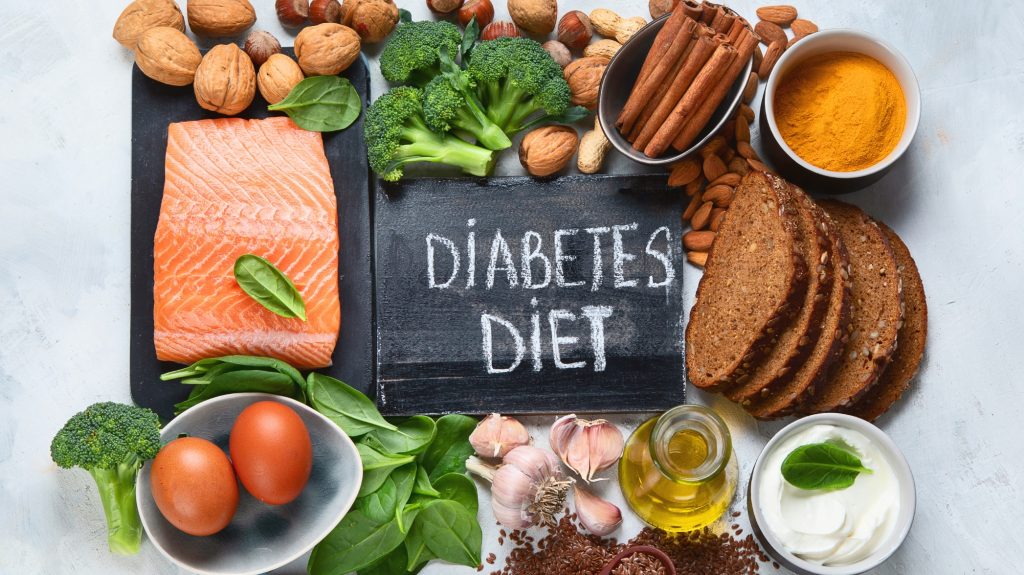
Best Foods for Gut Health
Complex Carbohydrates
Foods rich in soluble fiber help support digestive health by promoting healthy digestion and reducing irritation in the stomach. Good choices include:
- Oatmeal
- Brown rice
- Whole wheat bread
- Barley
- Lentils
- Beans
- Apples
- Bananas
- Pears
Lean Protein
Lean protein supports tissue repair and healing without increasing stomach irritation.
Recommended sources include:
- Skinless chicken
- Fish
- Eggs
- Tofu
- Low-fat yogurt
- Lentils
- Chickpeas
Healthy Fats
Healthy fats may help reduce inflammation when consumed in moderation.
Choose foods such as:
- Olive oil
- Flaxseeds
- Chia seeds
- Walnuts
- Almonds
- Avocados
Fruits and Vegetables
Colorful fruits and vegetables provide antioxidants, vitamins, and minerals that support digestive health.
Good options include:
- Spinach
- Broccoli
- Carrots
- Sweet potatoes
- Blueberries
- Papaya
- Melons
Foods to Avoid
Some foods may worsen GERD symptoms, acid reflux, gastritis, or peptic ulcers.
Limit or avoid:
- Fried foods
- Spicy foods
- Processed foods
- Carbonated drinks
- Excess caffeine
- Alcohol
- Chocolate
- Peppermint
- Citrus fruits (if they trigger symptoms)
- Tomato-based sauces
Lifestyle Changes to Improve Gut Health
Healthy daily habits are just as important as nutrition.
- Eat smaller, more frequent meals.
- Avoid lying down for at least 2–3 hours after eating.
- Maintain a healthy body weight.
- Stay physically active.
- Drink enough water throughout the day.
- Avoid smoking and tobacco products.
- Manage stress through relaxation techniques and regular exercise.
- Follow medications exactly as prescribed by your healthcare provider.
When Should You See a Healthcare Professional?
Seek medical attention immediately if you experience:
- Vomiting blood
- Black or tarry stools
- Severe abdominal pain
- Difficulty swallowing
- Unexplained weight loss
- Persistent vomiting
- Symptoms lasting longer than two weeks despite lifestyle changes
Early diagnosis and professional treatment can prevent serious complications.
Conclusion
Common gut disorders such as GERD, stomach bleeding, peptic ulcers, and H. pylori infection can significantly affect quality of life if left untreated. Recognizing symptoms early, obtaining an accurate diagnosis, following medical advice, and adopting healthy eating habits can improve digestive health and reduce complications.
A personalized nutrition plan can complement medical treatment by helping manage symptoms and supporting recovery. If you experience persistent digestive symptoms, consult a qualified healthcare professional or registered dietitian for an individualized assessment and nutrition strategy.