
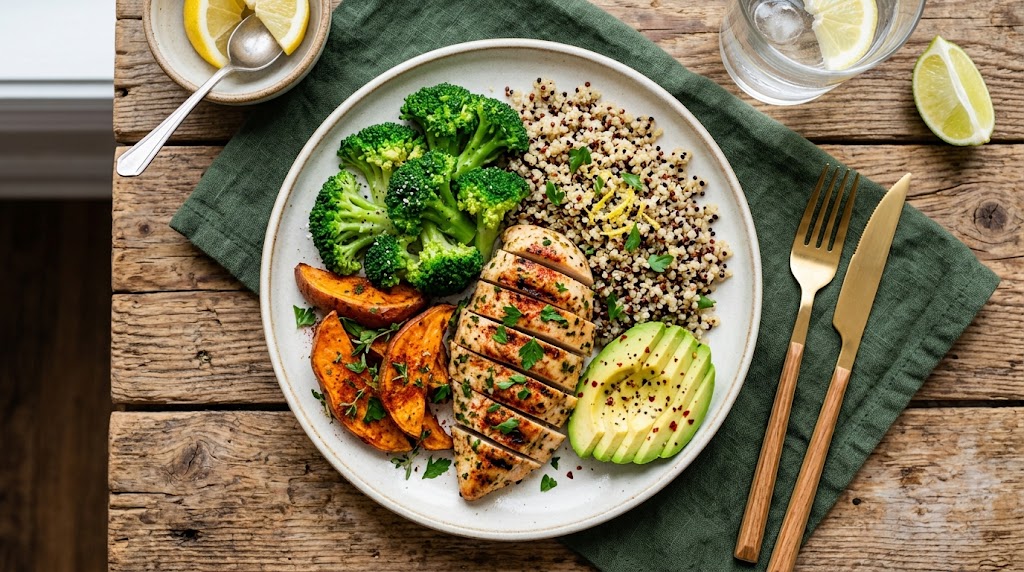
Balanced Diet Plan for Weight Loss: A Sustainable Meal & Macro Guide
Shedding excess fat and maintaining a vibrant, healthy body often feels like a steep uphill climb. Many commercial diet programs promise rapid results through severe restriction, cutting out entire macronutrient groups or forcing individuals onto unsustainable low-calorie regimens. However, long-term weight management is far more achievable when based on fundamental nutrition principles rather than extreme deprivation.
A structured, balanced diet plan for weight loss focuses on nutrient density, satiety, and energy balance. By adjusting dietary patterns to fit your lifestyle, metabolic rate, and personal preferences, you can lose weight healthily while maintaining energy levels, mood, and lean muscle mass.
What Is a Balanced Diet for Weight Loss?

A balanced diet supplies your body with essential macronutrients (proteins, complex carbohydrates, and healthy fats) and micronutrients (vitamins and minerals) in proper proportions. When structured for weight loss, a balanced diet creates a mild calorie deficit while ensuring your body receives sufficient nourishment to support vital functions, immunity, and physical performance.
Rather than eliminating carbohydrates or fats entirely, a sustainable diet relies on portion control and food quality. Research suggests that long-term adherence to a diet plan is the single strongest predictor of successful weight loss and weight maintenance.
Key Components of an Effective Meal Plan
To construct a meal plan that promotes fat loss without triggering extreme hunger, balance your intake across four key pillars:
- Lean Protein: Essential for preserving lean body mass during weight loss. Protein increases satiety by stimulating hunger-regulating hormones. Aim to include options such as chicken breast, turkey, fish, eggs, tofu, lentils, and Greek yogurt.
- Dietary Fiber & Complex Carbohydrates: Complex carbs (oats, brown rice, quinoa, whole wheat, legumes) release glucose slowly into the bloodstream, preventing rapid blood sugar spikes. Fiber adds volume to meals, keeping you full longer.
- Healthy Fats: Monounsaturated and polyunsaturated fats from olive oil, avocados, nuts, and seeds support hormone synthesis and nutrient absorption.
- Micronutrient-Dense Produce: Vegetables and whole fruits are high in water and fiber while remaining low in overall calorie density, making them ideal for portion expansion.
Understanding Macronutrient Ratios for Fat Loss
While total caloric balance determines weight loss, macronutrient distribution plays a critical role in preserving muscle and managing appetite. Nutritional requirements vary based on body composition, activity levels, and metabolic health.
For tailored guidance based on individual physical structures, explore our detailed guide on understanding body types and weight loss strategies.
| Macronutrient | Recommended % of Daily Calories | Primary Food Sources | Role in Weight Loss |
|---|---|---|---|
| Protein | 25% – 35% | Poultry, fish, eggs, tofu, lentils, cottage cheese | Preserves muscle mass, elevates thermic effect of food (TEF), reduces appetite. |
| Complex Carbs | 40% – 50% | Oats, brown rice, quinoa, sweet potatoes, whole grains | Sustains energy for daily activity and workouts, supports thyroid function. |
| Healthy Fats | 20% – 30% | Extra virgin olive oil, nuts, seeds, avocados | Supports hormone regulation, brain health, and fat-soluble vitamin absorption. |
The Role of Physical Activity and Sleep in Weight Management
A balanced nutrition plan works best alongside appropriate lifestyle practices. Regular physical activity combining resistance training with moderate cardiovascular exercise helps preserve lean muscle tissue while expanding total daily energy expenditure.
Furthermore, sleep hygiene directly affects appetite regulation. Sleep deprivation alters levels of ghrelin (the hunger hormone) and leptin (the satiety hormone), often leading to heightened cravings for ultra-processed, high-calorie foods. Managing psychological stress through meditation, light exercise, or outdoor walking also reduces emotional eating triggers.
If you are looking for rapid metabolic adjustments or specific dietary protocols, read our analysis on how to safely approach fast weight loss based on age and health history.
Practical Tips for Creating Your Daily Meal Schedule
Building consistency requires straightforward daily habits. Consider the following evidence-backed strategies when designing your diet routine:
- Practice Plate Portioning: Fill half your plate with non-starchy vegetables, one-quarter with lean protein, and one-quarter with complex carbohydrates. Add a small serving of healthy fats (e.g., 1 teaspoon of olive oil or a handful of almonds).
- Minimize Ultra-Processed Foods: Highly processed meals high in refined sugars and industrial fats provide dense calories with minimal satiety, making overeating easy.
- Prioritize Hydration: Drinking adequate water throughout the day helps distinguish true physiological hunger from mild dehydration. Drinking a glass of water before meals can also support portion control.
- Maintain Consistent Meal Timing: Eating regular meals prevents extreme blood sugar drops that frequently trigger late-night bingeing.
For regional culinary variations that maintain flavor while adhering to health targets, see our guide on the best diet plan for weight loss featuring Asian cuisine.
Sample 7-Day Balanced Meal Plan Outline
The following meal template demonstrates how to structure nutrient-dense meals across a week. Portions should be scaled up or down according to individual daily energy requirements.
| Day | Breakfast | Lunch | Dinner | Snacks |
|---|---|---|---|---|
| Day 1 | Rolled oatmeal cooked in low-fat milk, topped with chia seeds and fresh berries | Grilled chicken breast salad with mixed greens, cucumbers, olive oil, and lemon dressing | Baked salmon with steamed broccoli and ½ cup of quinoa | Sliced apple with 1 tablespoon of almond butter |
| Day 2 | Two poached eggs on whole-wheat toast with half an avocado | Lentil soup (daal) with a side salad and 1 small whole-wheat roti or brown rice | Stir-fried tofu or chicken with colorful bell peppers, zucchini, and brown rice | Greek yogurt with a pinch of cinnamon |
| Day 3 | Greek yogurt parfait layered with walnuts and sliced strawberries | Turkey or chickpea wrap using a whole-grain tortilla and plenty of spinach | Grilled white fish with roasted asparagus and baked sweet potato wedges | Roasted chickpeas or makhana (foxnuts) |
| Day 4 | Vegetable omelet (spinach, tomatoes, onions) with 1 slice of whole-grain toast | Quinoa bowl topped with black beans, grilled veggies, and salsa | Lean beef or chicken kebab with a large salad and mint yogurt dip | A handful of mixed raw nuts (almonds, walnuts) |
| Day 5 | Smoothie made with unsweetened almond milk, protein powder, spinach, and half a banana | Grilled chicken breast served over a warm brown rice and vegetable salad | Lentil and vegetable stew with a side of steamed greens | Carrot and cucumber sticks with 2 tablespoons of hummus |
| Day 6 | Whole-wheat porridge with ground flaxseeds and sliced fruit | Tuna or edamame salad with olive oil, spinach, and whole-grain crackers | Baked chicken thigh (skinless) with roasted cauliflower and green beans | Cottage cheese or a hard-boiled egg |
| Day 7 | Scrambled eggs with mushrooms and spinach, plus 1 small bowl of fresh melon | Mixed bean salad (kidney beans, chickpea, parsley) with lemon dressing | Stir-fried shrimp or tofu with mixed vegetables and buckwheat noodles | One small orange or pear |
If you prefer structured step-by-step diet protocols, you can also review our guide on the 7-day weight loss meal approach for short-term structured resetting.
Frequently Asked Questions
How many calories should I eat daily to lose weight?
Caloric needs depend on your age, biological sex, current weight, height, and daily activity level. A safe caloric deficit typically ranges between 300 to 500 calories below your Total Daily Energy Expenditure (TDEE), supporting a steady fat loss of approximately 0.5 to 1 kg (1 to 2 lbs) per week.
Do I need to eliminate carbohydrates to lose weight?
No. Carbohydrates are the primary energy source for your brain and muscles. Replacing refined carbs (white bread, sugary pastries) with complex carbohydrates (whole grains, legumes, vegetables) allows you to lose weight without sacrificing energy or digestion.
Can I follow a balanced diet plan if I have PCOS or Diabetes?
Yes, but macronutrient ratios may need adjustment to optimize blood glucose control and insulin sensitivity. Higher protein, moderate healthy fats, and low-glycemic carbohydrates are often recommended for individuals managing metabolic conditions. Consult a registered dietitian for personalized meal tailoring.
What should I do if my weight loss stalls on a diet plan?
Weight plateaus are a normal part of fat loss. As body weight decreases, your total daily energy needs slightly decline. Re-evaluating portion sizes, reviewing liquid calorie intake, increasing daily walking (NEAT), and ensuring adequate sleep often help resume progress.
Conclusion
A balanced diet plan for weight loss is not a temporary quick fix; it is a long-term strategy for overall wellness. Focus on nutrient-dense whole foods, maintain a manageable calorie deficit, prioritize lean protein and fiber, and remain consistent with movement and sleep. Before making major dietary modifications especially if managing medical conditions like hypertension, diabetes, or PCOS consult a qualified medical professional or registered dietitian for personalized guidance.
Shedding excess weight and maintaining a healthy figure may present challenges. However, it is a relatively easy task.
Achieving a healthier lifestyle is more attainable than you might initially believe, provided you are prepared to make a few adjustments to your dietary habits and daily routine. You can cultivate a lifestyle that promotes overall well-being by incorporating simple yet effective changes.