

Diabetes Nutrition Guide Pakistan
A practical, evidence-based Pakistani diabetes diet guide covering roti, rice, fruit, milk, chai, breakfast, dinner, portion control and a 7-day meal plan.
Quick Answer: What Should a Diabetic Patient Eat?
A diabetes-friendly diet does not mean completely eliminating Pakistani foods such as roti, rice or fruit. If you want a broader explanation of food choices, see our detailed guide to the best and worst foods for diabetes. The focus should be on appropriate portions, vegetables, protein, high-fibre carbohydrate sources, healthy fats and limiting added sugars and highly processed foods.
The right meal plan depends on your blood glucose, HbA1c, medications, physical activity, body weight, medical conditions and individual nutritional needs. For individualized support, see our customized nutrition services.
Diabetes in Pakistan: Why Diet Matters
Diabetes is a major and growing health concern in Pakistan. According to the World Health Organization (WHO), Pakistan has one of the world’s highest diabetes burdens, with millions of adults living with the condition.
For someone newly diagnosed with diabetes, one of the first questions is often:
Should you stop eating roti? Is rice completely forbidden? Can you drink milk? Are fruits safe? What should breakfast look like?
The good news is that diabetes does not mean you have to stop eating Pakistani food. A sustainable diabetes meal plan should fit your culture, food preferences, health goals and lifestyle.
What Is the Best Diet for Diabetes in Pakistan?
There is no single “best diabetic diet” that works for every person. A diabetes meal plan should be individualized according to:
- Blood glucose levels
- HbA1c
- Body weight and weight-management goals
- Physical activity
- Diabetes medications or insulin
- Kidney and heart health
- Food preferences and cultural habits
- Household budget
A Simple Diabetes Plate Method
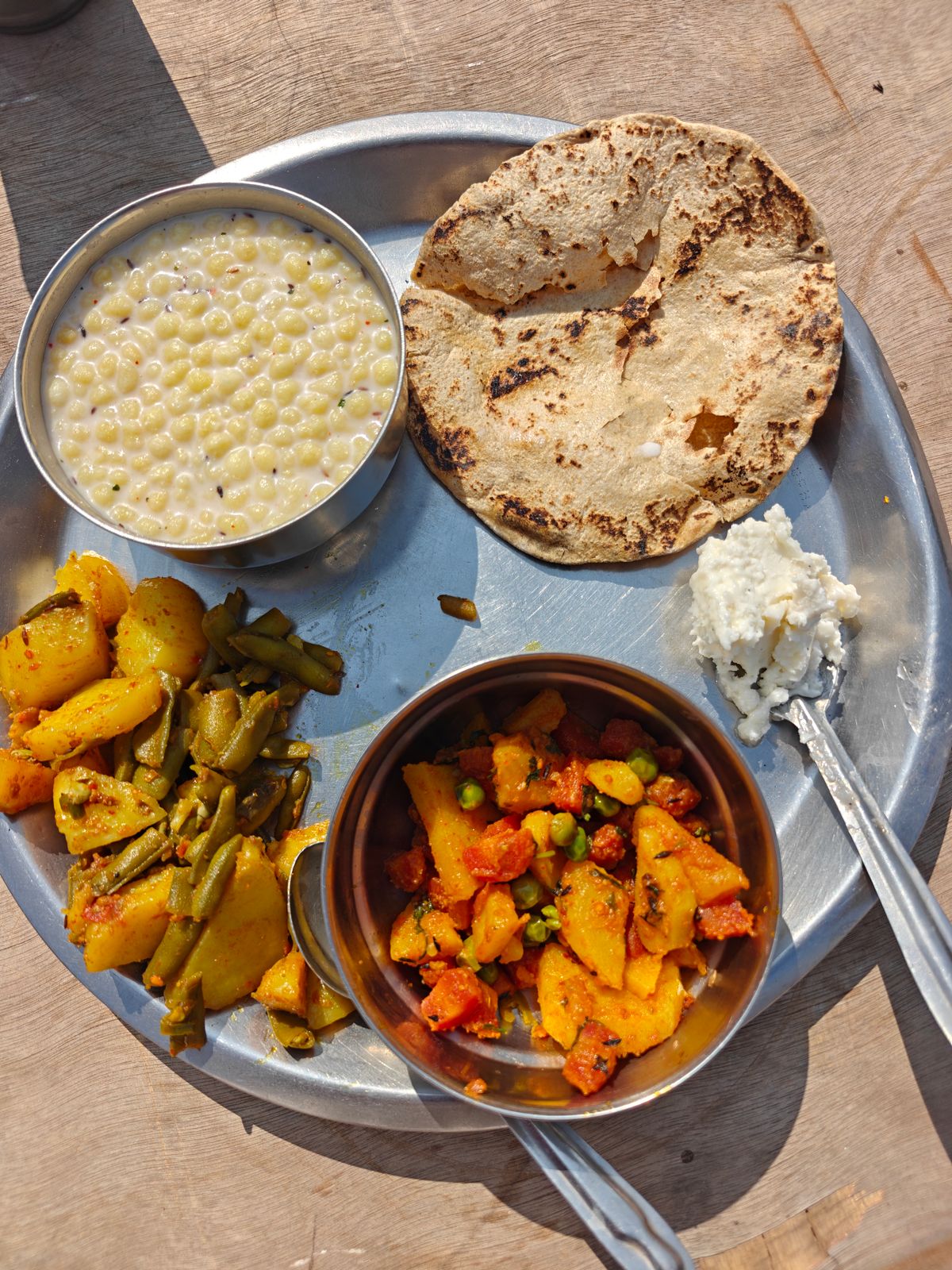
A useful starting point is to divide your plate approximately into:
- ½ plate: non-starchy vegetables
- ¼ plate: protein
- ¼ plate: carbohydrate food such as roti or rice
Pakistani Diabetes Plate Examples
| Plate Section | Pakistani Examples |
|---|---|
| ½ Vegetables | Bhindi, tori, lauki, palak, cauliflower, cabbage, salad |
| ¼ Protein | Chicken, fish, eggs, daal, chana, beans |
| ¼ Carbohydrate | Whole-wheat roti or a controlled portion of rice |
What Should a Diabetic Patient Eat?
1. Non-Starchy Vegetables
Vegetables can provide fibre, vitamins, minerals and volume to meals while generally contributing fewer carbohydrates than foods such as rice, roti and potatoes.
Good choices include spinach, cauliflower, cabbage, cucumber, tomato, okra, bottle gourd, bitter gourd, eggplant, green beans and mixed salads.
2. Protein-Rich Foods
Protein can help make meals more satisfying and can be included through both animal and plant-based sources.
- Eggs
- Chicken
- Fish
- Daal
- Chana
- Beans
- Plain yogurt
- Nuts and seeds
3. High-Fibre Carbohydrate Sources
- Whole-wheat roti
- Whole grains
- Daal
- Beans
- Chana
- Whole fruit
- Vegetables
What Foods Should Diabetics Avoid or Limit?
Instead of thinking about every food as simply “allowed” or “forbidden,” it is usually more practical to consider portion size, frequency and overall meal composition.
| Food | Why Limit It? |
|---|---|
| Sugary soft drinks | High in added sugar |
| Sweetened juices | Concentrated carbohydrate |
| Mithai | High in sugar and calories |
| Cakes and pastries | Refined flour, sugar and fat |
| Sugary tea | Adds sugar without much satiety |
| Deep-fried foods | Energy dense and easy to overconsume |
Can Diabetics Eat Roti?
Yes, many people with diabetes can eat roti.
Roti contains carbohydrates, so the portion and total carbohydrate content of the meal matter.
Instead of eating several rotis with little protein or vegetables, consider combining an appropriate roti portion with vegetables, protein and salad.
Better question:
“How much roti fits my individual diabetes meal plan?”
Can Diabetics Eat Rice?
Yes. Rice does not automatically have to be eliminated from a diabetes meal plan.
The amount of rice and what you eat with it can make a significant difference to the overall meal.
Better meal:
Controlled rice portion + vegetables + protein + salad
Can Diabetics Drink Milk?
Plain milk can provide protein and calcium, but it also contains carbohydrate in the form of lactose. Therefore, milk should be considered as part of the overall meal plan.
Choose plain, unsweetened milk rather than adding sugar or sweetened powders.
Can Diabetics Eat Fruit?
Yes. People with diabetes generally do not need to eliminate whole fruit.
Whole fruit contains carbohydrate, so portion size and total carbohydrate intake should be considered.
Whole fruit is generally preferable to fruit juice because it provides fibre and is more filling.
Pakistani Fruit Options
Apple
Guava
Orange
Pear
Peach
Plum
Papaya
Melon
What Should a Diabetic Eat for Breakfast?
| Option | Example |
|---|---|
| Option 1 | Egg + whole-wheat roti + vegetables + unsweetened tea |
| Option 2 | Plain dahi + whole fruit + small portion of nuts/seeds |
| Option 3 | Chana + salad + controlled roti portion |
| Option 4 | Vegetable omelette + whole-wheat roti |
Breakfast foods to limit: halwa puri, sugary tea, sweet cereals, jam, sweet bakery products and large deep-fried parathas.
What Should a Diabetic Eat for Dinner?
A simple dinner formula is:
- Chicken + mixed vegetables + small roti + salad
- Fish + vegetables + controlled rice portion + salad
- Daal + mixed vegetables + roti + plain yogurt
- Chicken tikka + salad + vegetable soup
- Chana + vegetables + controlled roti portion
Is Chai With Sugar Bad for Diabetes?
Regularly drinking sugar-sweetened tea can make blood-glucose and calorie management more difficult.
If you drink several cups of tea every day, the added sugar can accumulate quickly.
Better options include unsweetened tea or gradually reducing the amount of sugar used.
Which Pakistani Foods Can Help With Blood Sugar Management?
No single Pakistani food can “control” or cure diabetes. Instead, focus on building balanced meals around nutrient-dense foods.
| Food | Why Include It? |
|---|---|
| Daal | Protein + fibre |
| Chana | Protein + fibre + carbohydrate |
| Vegetables | Fibre + micronutrients |
| Eggs | Convenient protein source |
| Plain dahi | Protein + calcium without added sugar |
How Much Roti Can a Diabetic Patient Eat?
There is no scientifically appropriate universal number of rotis that applies to every person with diabetes.
The appropriate carbohydrate portion depends on factors such as:
- Age
- Body size
- Physical activity
- Diabetes type
- Medication or insulin use
- Blood glucose response
- Weight-management goals
Clinical note:
People using insulin or certain glucose-lowering medicines may require individualized carbohydrate and medication planning.
Can Diabetes Be Controlled Through Diet?
Diet can play a major role in diabetes management, but it is not the only part of treatment. You can also explore our
Disease Reversal Programs for structured nutrition and lifestyle support.
Depending on the individual, diabetes management may include nutrition, physical activity, weight management, medication, glucose monitoring and regular medical follow-up.
Important:
Never stop insulin or diabetes medication simply because your blood glucose improves after changing your diet. Medication adjustments should be made with your treating healthcare professional.
7-Day Pakistani Diabetes Diet Plan
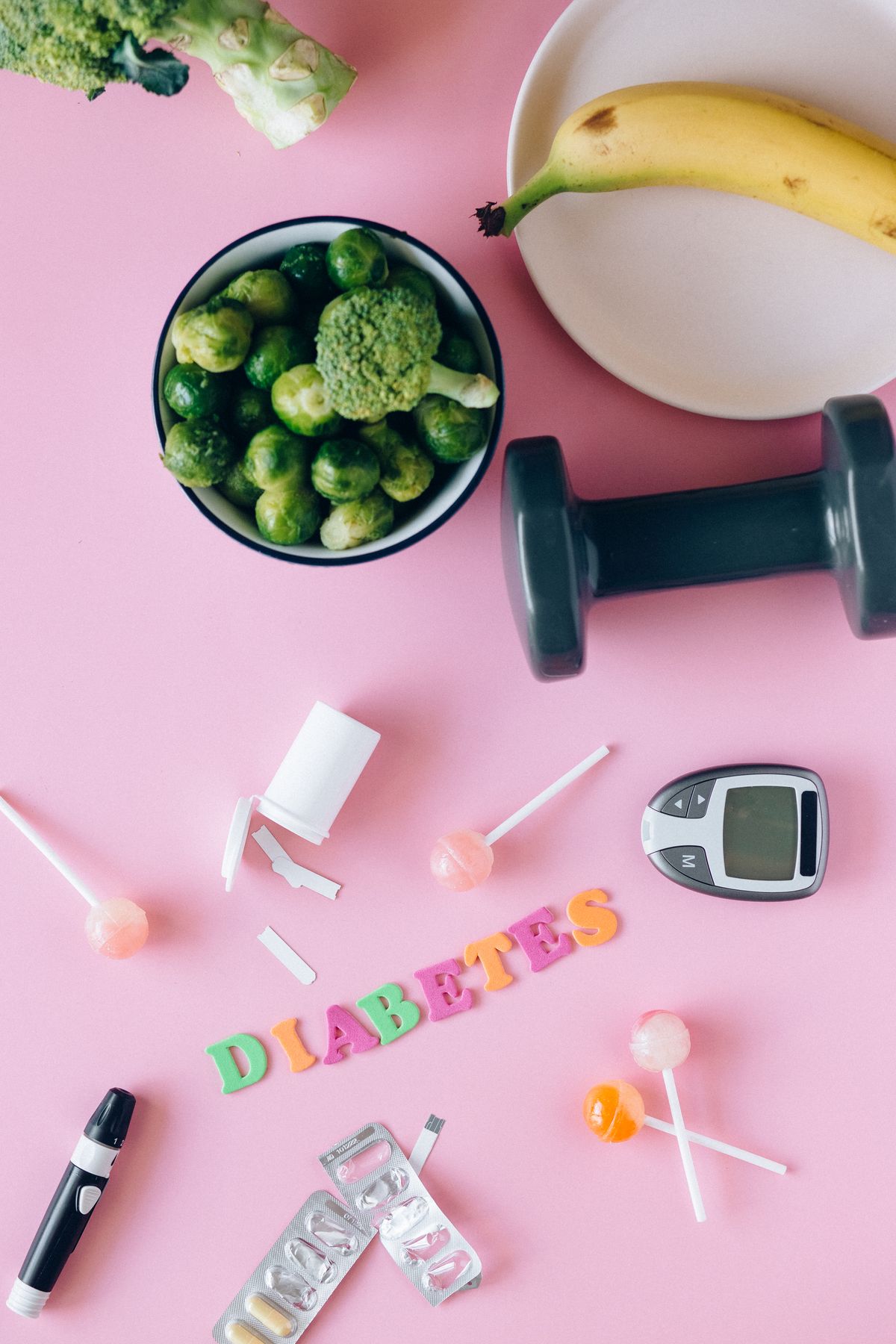
The following is an educational example. Individual portion sizes may need to be adjusted according to medications, insulin use, blood glucose levels, body weight, activity and other medical conditions.
| Day | Breakfast | Lunch | Snack | Dinner |
|---|---|---|---|---|
| 1 | Egg + roti + vegetables | Chicken + salad + roti | Guava + nuts | Daal + vegetables + roti |
| 2 | Chana + salad + roti | Fish + vegetables + controlled rice | Plain dahi | Chicken + vegetables + roti |
| 3 | Vegetable omelette + roti | Daal + salad + roti | Apple + nuts | Fish + vegetables |
| 4 | Plain dahi + fruit + seeds | Chicken + vegetables + roti | Roasted chana | Daal + salad + roti |
| 5 | Eggs + vegetables + roti | Fish + salad + controlled rice | Orange/guava | Chicken + vegetables + roti |
| 6 | Chana + egg + salad | Daal + vegetables + roti | Plain dahi | Fish + vegetables + rice |
| 7 | Vegetable omelette + roti | Chicken + salad + roti | Fruit + nuts | Daal/chana + vegetables + roti |
10 Common Diabetes Diet Mistakes in Pakistan
- Completely eliminating roti without professional guidance
- Drinking fruit juice instead of eating whole fruit
- Adding sugar to several cups of tea every day
- Assuming “diabetic biscuits” can be eaten freely
- Eating very large portions of supposedly healthy foods
- Skipping meals and overeating later
- Focusing only on table sugar instead of total carbohydrate intake
- Following another patient’s diet chart
- Stopping diabetes medication without medical advice
- Believing that one food can cure diabetes
Diabetes Diet: What to Eat More Often vs What to Limit
| Eat More Often | Limit |
|---|---|
| Non-starchy vegetables | Sugary drinks |
| Whole fruit | Fruit juice |
| Daal, chana and beans | Mithai |
| Eggs, fish and lean chicken | Cakes and pastries |
| Plain dahi | Deep-fried foods |
Frequently Asked Questions About Diabetes Diet
When Should You See a Dietitian?
For Pakistan-based diabetes nutrition support, visit our diabetes nutritionist service or explore our consultant nutritionists.
A personalized diabetes meal plan may be particularly useful if you:
- Have uncontrolled blood glucose
- Have a high HbA1c
- Use insulin
- Experience frequent hypoglycemia
- Need to lose weight
- Have high cholesterol or hypertension
- Have kidney disease
- Are pregnant
- Need help understanding carbohydrate portions
- Want a Pakistani meal plan based on your normal family diet
Related Health & Nutrition Guides
Need a Personalized Diabetes Diet Plan?
A generic diet chart cannot account for your blood glucose, HbA1c, medications, lifestyle and nutritional needs. Get a personalized, practical Pakistani meal plan from a qualified dietitian.
Final Takeaway
A diabetes diet is not a punishment, and you do not necessarily have to stop eating Pakistani foods. Roti can fit. Rice can fit. Fruit can fit. Milk can fit.
What matters is the overall pattern:
food quality, portion size, carbohydrate intake, protein, fibre, physical activity, medication and individual glucose response.
For people living with diabetes in Pakistan, the most useful diet is often not the most complicated one. It is the one that is evidence-based, culturally familiar, affordable and realistic enough to follow consistently.
Evidence & Further Reading
This article is designed as general nutrition education. For clinical decisions, use current guidance and individualized medical nutrition therapy.
Medical Disclaimer:
This article is for educational purposes only and does not replace individualized medical or nutritional advice. People using insulin, glucose-lowering medications, or those with kidney disease, pregnancy, recurrent hypoglycemia or other medical conditions should consult their healthcare professional before making major dietary changes.


