Health & Nutrition Lounge

Health

Frequently Asked Questions about Dietitian or Nutritionist

1. What is a clinical dietitian? The clinical dietitian or Nutritionist is a qualified or registered specialist who can design nutrition intervention programs to solve health issues or improve the fitness or health of clients or patients in healthcare or fitness facilities. A Clinical Dietitian usually works in wellness clinics or tertiary care hospitals or clinical facilities, They collaborate with the multidisciplinary medical team to provide evidence based nutrition intervention for patients with all sort of acute or chronic diseases especially diabetes, hypertension, PCOS, Uric Acid, kidney disease, or malnutrition. 2. What’s the best diet for weight loss according to nutritionists? Nutritionists mostly recommend customized diet plans for each individual according to his or her medical and dietary history and socioeconomic status that emphasize whole, nutrient-rich foods that would be essentially easily available, accessible, easy to prepare and can be followed for the long term. Additionally, any sort of diet like vegan or keto, based on clients preference  can be effective for weight loss if well-planned according to a person’s medical and dietary history. The key is a sustainable, calorie-controlled eating pattern tailored to individual needs. 3. Can a nutritionist recommend supplements? Absolutely Yes, Nutritionists only recommend nutritional or dietary supplements when they are necessary, for any specific micronutrient or macronutrient deficiencies or health conditions. However, Mostly they recommend natural sources like herbs or dietary sources to meet daily nutrient requirements. If they suggest any supplements it means you have to take it along with the balanced diet and not as a replacement for any meal. 4. Is seeing a nutritionist worth it? Undoubtedly Yes, The most important concern for any person who is going to see a nutritionist for the first time. Consulting a nutritionist can be highly beneficial, particularly for managing any health condition that is relevant to your lifestyle, for achieving any weight goals whether it’s weight loss or weight gain, or improving overall holistic health. They provide personalized guidance, help set realistic goals, and offer support for sustainable lifestyle modifications. 5. Can I get a customized diet plan from a dietitian? Yes Indeed. Dietitians are the most relevant persons who create personalized meal plans based on individual health goals or targets, medical conditions, dietary preferences, and lifestyle factors.  More importantly these customized plans will be more sustainable and effective to achieve desired results. 6. What qualifications should a nutritionist have? Qualifications for nutritionists vary state to state. In many states or  countries, becoming a registered nutritionist (RDN) or registered dietitian (RD) requires a bachelor’s degree in nutrition science or dietetics, Supervised hospital training of 6 months to one year and passing a local healthcare authority exam. Most nutritionists in the fitness industry do not have any degree rather a certification from any sports science academy. It’s really important to verify the credentials first before visiting any Nutritionist or Dietitian. 7. Do I need a referral to see a dietitian? No, you don’t need a referral to consult a dietitian or nutritionist. You may only need a referral from your family physician or primary care physician, if you plan to use insurance coverage for consultation or treatment. It’s better to check with your insurance provider company in this regard prior to your visit. 8. What does a nutritionist do? Mostly, Nutritionists are symbolised as Lifestyle Modification consultants. However, their major role is to assess individual dietary habits, health status, and lifestyle factors to make a plan from scratch that is best suitable for individuals. They educate clients on healthy lifestyle choices, eating patterns and support behavioral changes to promote holistic health and wellness. 9. How can a dietitian help with weight loss? A Dietitian assists clients in weight loss by taking complete medical history, evaluating dietary patterns and creating customized diet plans. They help clients in setting realistic goals along with ongoing support and education to promote gradual and sustainable weight loss about 1 kg per week. 10. What is the difference between a dietitian and a nutritionist? The titles “Dietitian” and “Nutritionist” may sound similar but they do have specific meaning. A registered dietitian (RD) or (RDN) holds specific educational and professional requirements and is qualified to do clinical practice and provide medical nutrition therapies. The title “Nutritionist” may not be the qualified or licensed person but they do hold any certification in nutrition. 11. When should I see a nutritionist? If you are facing any sort of challenge in weight management that may include weight loss or weight gain, any chronic diseases (like diabetes or hypertension), food allergies or intolerances, improving sports performance or fitness routine, or looking for any generalized weakness solution. You can seek help from a qualified nutritionist or dietitian. 12. How much does a nutritionist consultation cost in Pakistan? The cost of a nutritionist consultation varies based on location, experience, and services provided. On an average, one nutritionist consultation in Pakistan can range from PKR. 2000-5000 (10-20 U.S Dollars) per session. Incase of monthly packages that include daily diet monitoring and exercise plan it can range between PKR. 10000-20000 (50 – 100 U.S Dollars) per month as per services provided. 13. What should I expect during a nutritionist appointment? During your initial appointment, the nutritionist will assess your medical history, dietary history and eating patterns, lifestyle, and health goals. They may advise or review your lab results and discuss any symptoms or concerns. Together, you’ll develop a personalized nutrition plan, and follow-up sessions will monitor progress and make necessary adjustments. 14. Can a nutritionist help with diabetes, PCOS, thyroid, or fatty liver? Yes, Nutritionists play the most important role in managing conditions like diabetes, PCOS, thyroid disorders, and fatty liver disease. As all of these conditions are directly linked with dietary intake. Hence, They provide dietary plans to control blood sugar, balance hormones, support thyroid function, and reduce liver fat, contributing to overall health improvement. 15. Do nutritionists give meal plans? Yes, Most nutritionists can help you in making personalized meal plans that are tailored to individual health goals, dietary

Frequently Asked Questions about Dietitian or Nutritionist Read More »
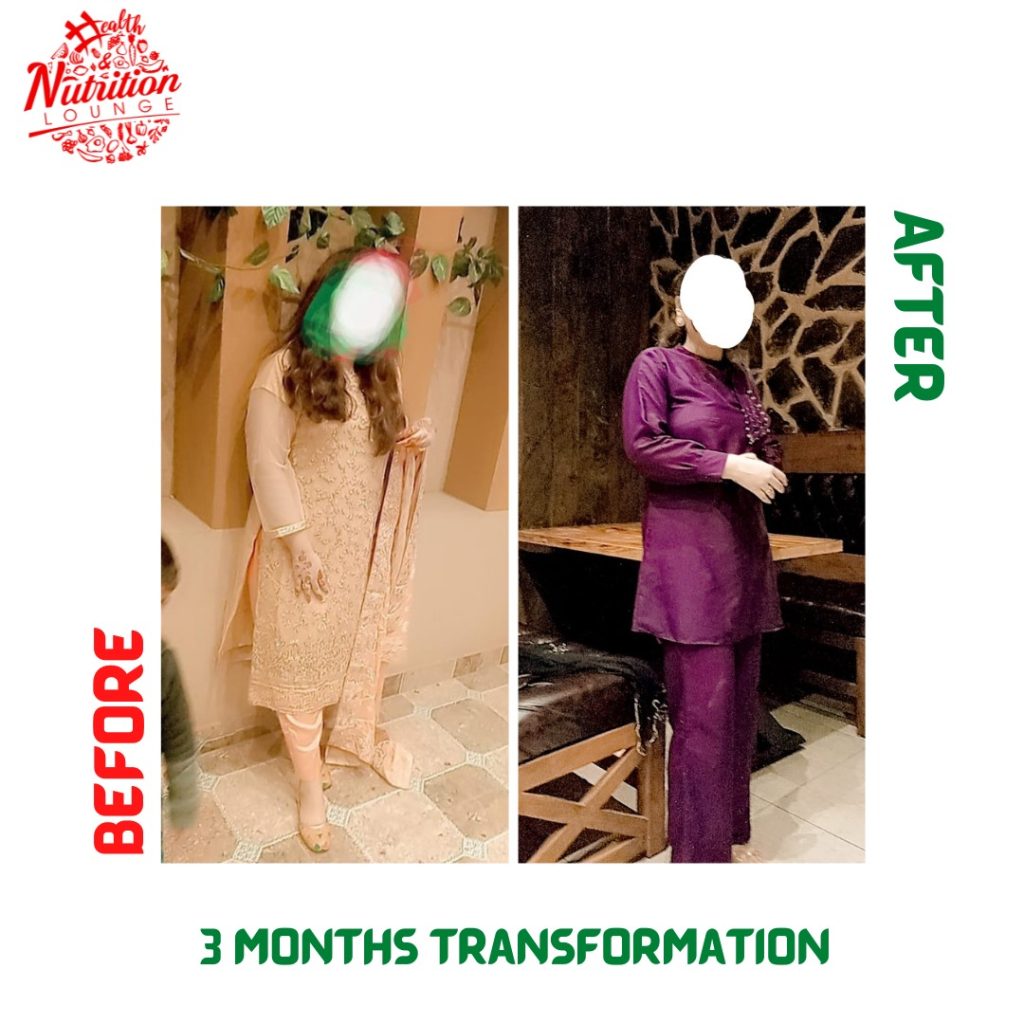
Want to Lose Weight? Here’s What Actually Works (Without Starving Yourself)

Let’s face it — weight loss can feel confusing. One day it’s all about keto, the next it’s intermittent fasting, and then someone tells you to cut carbs completely. If you’re trying to lose weight but are tired of extreme diets that don’t stick, you’re not alone — and you’re definitely not failing. At Health & Nutrition Lounge, we believe weight loss shouldn’t be about punishing yourself. It should be about understanding your body and making smart, sustainable changes that actually feel good. Let’s start with the basics: calorie deficit — the real reason why weight loss happens. What Is a Calorie Deficit (and Why Does It Matter)? A calorie deficit means you’re eating fewer calories than your body uses in a day. When this happens, your body turns to its stored fat for energy, which leads to weight loss. Sounds simple, right? But here’s the thing — how you create that calorie deficit matters a lot. It’s not just about eating less. It’s about eating smarter. Two Ways to Create a Calorie Deficit (The Healthy Way) You can create a calorie deficit in two ways: Doing both together is the sweet spot. No crash diets. No overtraining. Just balanced, thoughtful living. Why Eating Too Little Can Backfire Many people think the fastest way to lose weight is by drastically cutting calories — sometimes eating only 800–1000 calories a day. While this might lead to quick weight loss initially, it can harm your metabolism, energy, and overall health in the long run. When you eat too little, your body starts to slow down to conserve energy. You may feel tired, irritable, or even start losing muscle instead of fat. Not to mention the cravings and rebound weight gain that almost always follow. If you’re considering a very low-calorie diet, it should only be done under proper medical supervision — never on your own. So What Actually Works? We’ve worked with hundreds of clients, and here’s what we’ve found: the best results come from balanced, personalized plans that are realistic and easy to stick to. That means: Weight loss isn’t just about the scale — it’s about feeling better, having more energy, and rebuilding a healthy relationship with food and yourself. Ready to Get Started? If you’re ready to lose weight the healthy way — or if you’re dealing with conditions like diabetes, PCOS, thyroid, or high blood pressure — our Transformation Program is built just for you. We don’t just hand you a diet plan and disappear. We guide you, coach you, and walk with you every step of the way. In our 3-month Transformation Program, you’ll get: ✅ Customized meal plans✅ Weekly check-ins with a nutritionist✅ Strategies to manage cravings, stress, and emotional eating✅ Tools to reverse lifestyle-related diseases✅ A caring community that keeps you motivated 👉 Click here to join now and let’s begin your transformation together. If you’re still unsure or just have questions, we’d love to talk. Visit www.healthandnutritionlounge.com or drop us a message. Our team of expert dietitians and health coaches is here to help — no pressure, no judgment. Because at the end of the day, this is your journey — and we’re just here to support it.

Want to Lose Weight? Here’s What Actually Works (Without Starving Yourself) Read More »

How to lose weight fast?

It’s been a frequently asked question at our clinics, As everyone who visited any Nutritionist in life would have asked this question most probably. As it’s a generalized question from a diverse group of population according to age and disease conditions, let’s try to understand it with three main groups of population. The probability of losing weight fast depends upon your medical history and dietary pattern you have been following previously. In a nutshell, yes, you can lose weight quickly at any age or with any health condition—but only if your clinician conducts the right assessment and diagnosis based on your unique body needs before creating a personalized plan Get Your Quick Weight Loss Meal Plan Here

How to lose weight fast? Read More »

Diabetes: The Slow Poison

Take Charge of Your Health Before It’s Too Late Diabetes is a silent but deadly disease that creeps into your life, slowly affecting your heart, kidneys, liver, and nervous system. It is often linked to insulin resistance, weight gain, and fatty liver, making it a ticking time bomb for long-term health complications. The good news? You can reverse diabetes naturally by making smart lifestyle changes. No more dependence on medications or insulin—just healthy habits that transform your body from the inside out! 📢 Looking for a personalized treatment plan?👉 Join our Disease Reversal Program for expert-guided solutions! What Makes Diabetes a Slow Poison? Diabetes doesn’t show immediate symptoms, but over time, it damages vital organs: 🚨 High Blood Sugar → Insulin Resistance🚨 Insulin Resistance → Fatty Liver & Weight Gain🚨 Weight Gain → Increased Risk of Heart Disease, Kidney Damage & Vision Loss It’s a vicious cycle—but you can break free from it! How to Reverse Diabetes Naturally Instead of relying on medications, focus on holistic healing through diet, exercise, and lifestyle changes. Here’s how: 🥗 1. Follow a Diabetes-Friendly Diet What you eat has a direct impact on your blood sugar. Choose foods that stabilize insulin levels and prevent spikes. ✅ Eat More: 🚫 Avoid: 🏃‍♂️ 2. Move Your Body Daily Exercise boosts insulin sensitivity and helps burn excess fat stored in the liver. 💪 Best Workouts for Diabetes Reversal: 😴 3. Get Quality Sleep Lack of sleep spikes blood sugar levels and increases cravings for junk food. Aim for 7-8 hours of uninterrupted sleep every night. 🧘‍♀️ 4. Manage Stress Levels Chronic stress leads to cortisol spikes, which worsens insulin resistance. Practice meditation, deep breathing, or journaling to keep stress in check. 💧 5. Stay Hydrated Drinking enough water flushes out toxins and prevents sugar buildup in the blood. Aim for 2-3 liters daily. Your Road to Diabetes Reversal Starts Today! Don’t wait for diabetes to take over your life. The sooner you adopt a healthy lifestyle, the better your chances of reversing the damage and living medication-free! 📢 Need expert guidance?🌿 Join our Disease Reversal Program for a personalized diet & lifestyle plan tailored to YOUR needs. 👉 Sign Up Now Say goodbye to medications—heal your body naturally! 🌿💪

Diabetes: The Slow Poison Read More »

Fasting and Diabetes: A Guide to Safe and Informed Fasting

Each day during Ramadan, millions of Muslims around the world fast from dawn to sunset. For people living with diabetes, this practice requires thoughtful preparation and oversight to ensure glycemic control and adverse events are avoided. This blog describes the changes that take place in physiology due to fasting during Ramadan and attempts to provide some practical recommendations to ensure safe fasting during the month. When you fast, your body moves from taking glucose from food to the glycogen supply, which is stored in the liver. The transition from glucose to glycogen makes the insulin reaction uncertain. The liver somehow malfunctioned and released excessive amounts of glucose transiently. The described insulin resistance, therefore, allowed for an unrecognized glucose increase even when the insulin was extensively present. For this reason, hormonal imbalances such as increased glucagon and decreased insulin levels are crucial in controlling the shift between glycogen and fat utilization. Uncovering the deep roots of health-related issues is a long and complicated process, and it requires an understanding of all interactions. Diabetes Management During Ramadan: A thorough medical investigation is necessary for the determination of personal risk level and for drafting the treatment course usable for the patient’s health condition. This assessment should, so far, cover the questions regarding medication, blood glucose monitoring, and dietary habits. Dietary Considerations: In Suhoor (Pre-dawn meal), you should mainly focus on foods rich in complex carbohydrates, like whole grains, low glycemic index fruits, green and leafy vegetables with egg and dairy products, which should be used to balance the fasting. Moreover, protein will be added to provide the necessary energy. Consume the fiber-rich products that make you feel full and regulate your glucose level. At Iftar (Evening meal), start your iftar with dates, lemon water with a pinch of salt, and a spoonful of chia seeds to rehydrate. This will also give you a quick supply of energy in terms of calories. In addition to it, balanced diets with proteins, carbohydrates, and good fats are also required. Besides sugar and fried foods, use baked and air fryer techniques to satisfy your cravings. Add a bowl of fruit salad to your iftar meals. Opt for wholegrain chapati with any meat/vegetable curry and half a cup of salad after the Maghrib prayer. Note: Drink plenty of water during the non-fasting hours to stay hydrated. Be sure to learn the signs of hypoglycemia (sweating, trembling, dizziness) and hyperglycemia, too (increased thirst, frequent urination). Stop fasting immediately if severe symptoms develop and get medical help if necessary. Educational Takeaways: During Ramadan fasting, the blood glucose levels of diabetic patients may be affected dramatically. Accurate preparation, close monitoring, and necessary medications are critical for a person with diabetes to observe the fast safely. A healthy diet and sufficient water consumption can help to keep the glucose level at a constant level. However, it is even more important to see a medical specialist and take necessary precautions before and after Ramadan. Active management of diabetes in those who thoroughly comprehend the physical transformations and employ the right medication regimens for themselves will surely make observing Ramadan safe for individuals with diabetes and even bring about a spiritual upliftment

Fasting and Diabetes: A Guide to Safe and Informed Fasting Read More »

Arthritis – Understanding, Managing, and Preventing the Disease

Countless people worldwide suffer from arthritis, an invisible thief of ease. Instead of enjoying the delight of a morning stroll, people with arthritis face pain, stiffness, and exhaustion. This blog aims to provide you with insights and dietary guidelines to effectively manage arthritis. What is Arthritis? The word “arthritis” means “inflammation of joints,” derived from the Greek words “athron” (joints) and “itis” (inflammation). It is a chronic disease that can involve the entire body and, in severe cases, deform one or more joints, potentially leaving the patient handicapped and weakened. Types of Arthritis Osteoarthritis – A Degenerative Joint Disease Osteoarthritis is a degenerative joint disease, commonly occurring in the elderly and more frequently in women than men. It stems from structural changes in the articular cartilage of weight-bearing joints such as the spine and knees. Risk Factors: Possible Causes: Symptoms: Rheumatoid Arthritis – An Autoimmune Disease Rheumatoid arthritis is a severe autoimmune condition affecting joints (fingers, wrists, hips, knees, feet) and other tissues like muscles and tendons. It typically appears between ages 25 and 50 but can occur at any age. Causes: Symptoms: Dietary Strategies for Fighting Inflammation Naturally A diet rich in whole plant foods, fish, and nuts while avoiding processed foods and saturated fats can combat inflammation effectively. Lifestyle Factors for Arthritis Prevention Seeking Professional Advice If you’re experiencing arthritis symptoms, consult a healthcare professional for an accurate diagnosis and personalized treatment plan. Book a consultation with our expert team of dietitians today. With tailored nutrition interventions, we can help manage your condition and promote a healthier lifestyle. Meet Our Dietitians | Join Our Transformation Program

Arthritis – Understanding, Managing, and Preventing the Disease Read More »

Erectile Dysfunction: Causes, Symptoms, and the Role of Nutrition in Treatment

Erectile dysfunction (ED) is a common health issue affecting millions of men worldwide. While it may feel like a sensitive topic, it is essential to discuss it openly to encourage understanding and effective treatment. At its core, ED is the inability to achieve or maintain an erection sufficient for satisfactory sexual performance. However, it often signals deeper underlying health concerns. Let’s explore what causes erectile dysfunction, its symptoms, societal impacts, and how nutrition plays a vital role in its treatment. Causes of Erectile Dysfunction Erectile dysfunction can stem from a variety of physical, psychological, and lifestyle-related factors. Common causes include: Symptoms of Erectile Dysfunction The primary symptom of erectile dysfunction is difficulty achieving or maintaining an erection. Other signs include: Unhealthy Societal Practices Contributing to ED Modern lifestyle habits often exacerbate the risk of developing ED. Among these are: The Role of Nutrition in Treating Erectile Dysfunction Nutrition plays a crucial role in managing and reversing erectile dysfunction. A healthy diet can improve blood flow, balance hormones, and support overall well-being. Here are some nutritional tips: By adopting a balanced diet, you can enhance your sexual health and overall vitality. How Health & Nutrition Lounge Can Help At Health & Nutrition Lounge, we understand the challenges of erectile dysfunction and the importance of a holistic approach to treatment. Our Disease Reversal Programs are designed to address the root causes of lifestyle-related conditions like ED. With personalized nutrition plans, expert guidance, and a focus on sustainable health, we aim to help you regain control of your well-being. Take the First Step Today Erectile dysfunction doesn’t have to define your life. By addressing underlying causes and embracing a healthy lifestyle, you can overcome this challenge. Visit our Disease Reversal Programs to learn more about how we can support you on your journey to better health.

Erectile Dysfunction: Causes, Symptoms, and the Role of Nutrition in Treatment Read More »

A Balanced Diet Plan for Weight Loss

Shedding excess weight and maintaining a healthy figure may present challenges. However, it is a relatively easy task. Achieving a healthier lifestyle is more attainable than you might initially believe, provided you are prepared to make a few adjustments to your dietary habits and daily routine. You can cultivate a lifestyle that promotes overall well-being by incorporating simple yet effective changes. The Importance of a Balanced Diet A balanced diet provides your body with all the nutrients, including protein, carbohydrates, fats, vitamins, and minerals. A balanced diet plan for weight lossis crucial because it helps you lose weight healthily. Also, it helps your weight loss goals. A balanced diet can help you feel more energetic, improve your overall health, and boost your mood. A balanced diet can aid in healthy weight loss by promoting satiety and reducing the likelihood of overeating. Additionally, it can enhance metabolic rate, leading to increased calorie expenditure. Exercise When you exercise, your body uses energy to fuel your movements. Exercise helps in building muscle. Finally, exercise can help boost your metabolism. When you exercise regularly, your metabolism speeds up, which can help you burn more calories throughout the day and maintain your body shape. Tips for Creating a Balanced Diet Here are some tips for creating a balanced diet that will help you lose weight: Healthy intake Eat fruits, vegetables, and healthy food. These nutrient-dense foods are low in calories yet high in fiber, promoting satiety and fullness. Limit processed foods Processed foods are high in calories, unhealthy fats, and added sugar. Drink plenty of water. Consuming sufficient water can help regulate appetite and reduce the likelihood of overeating, leading to weight management and overall well-being. Eat regular meals and snacks. Eating regular meals and snacks can help you avoid overeating. Sample Balanced Diet Plan Here is a sample balanced diet plan that you can follow to lose weight: Breakfast: ● Oatmeal with fruit and nuts ● Eggs with whole-wheat toast ● Greek yogurt with fruit and granola Lunch: ● Salad with grilled chicken or fish ● Leftovers from dinner ● Soup and a sandwich Dinner: ● Grilled chicken or fish with roasted vegetables ● Pasta with marinara sauce and vegetables ● Stir-fry with brown rice Snacks: ● Fruits ● Vegetables ● Nuts ● Seeds ● Yogurt ● Cottage cheese Additional Tips for Weight Loss: Get regular exercise Devote a minimum of 30 minutes each day to physical activity. Get enough sleep Adequate rest and sleep significantly enhance your ability to make sound decisions that promote your well-being. Manage stress Stress can lead to unhealthy eating habits. Discover wholesome methods to alleviate stress, such as practicing yoga, meditation, or immersing yourself in nature. These calming activities can significantly reduce stress levels, promote relaxation, and improve overall mental and emotional well-being. Conclusion A well-rounded diet can facilitate the attainment of your weight loss objectives and contribute to your general well-being. It is essential to seek advice from a medical professional or a qualified nutritionist before implementing significant alterations to your dietary habits or physical activity regimen.

A Balanced Diet Plan for Weight Loss Read More »

Low Fodmap Dietitian

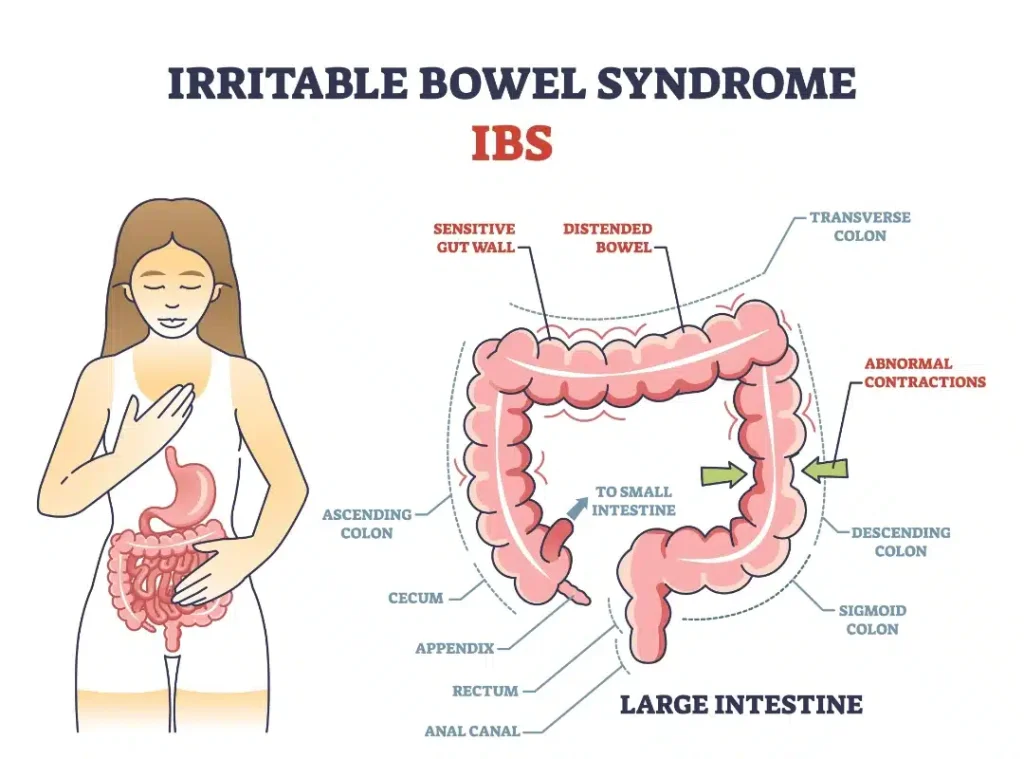
Understanding the Gut’s Sensitivity For many individuals, the digestive tract can be a source of persistent discomfort and distress. Conditions like irritable bowel syndrome (IBS) and small intestinal bacterial overgrowth (SIBO) can significantly impact the quality of life, leaving sufferers searching for relief. A low FODMAP diet, meticulously designed to limit the intake of fermentable short-chain carbohydrates, has emerged as a promising approach to managing these digestive disorders. However, navigating the complexities of this diet requires the expertise of a specialized healthcare professional: a low FODMAP dietitian. Low Fodmap Dietitan A low FODMAP dietitian offers hope for individuals grappling with digestive distress. By providing tailored dietary guidance and unwavering support, these specialized healthcare professionals empower individuals to take control of their gut health. Through a meticulous assessment and the development of personalized low FODMAP meal plans, dietitians help alleviate symptoms, improve digestion, and enhance overall well-being. Their expertise extends beyond dietary restrictions, encompassing lifestyle modifications and stress management techniques to create a holistic approach to digestive health. The Role of a Low FODMAP Dietitian A low FODMAP dietitian is a registered dietitian who has undergone specialized training in digestive disorders through dietary interventions. These professionals have a deep and good understanding of the intricacies of the human gastrointestinal system and the impact of specific foods on gut health. Low FODMAP dietitian is equipped to provide personalized dietary advice and support, empowering individuals to take control of their digestive well-being. Key Responsibilities of a Low FODMAP Dietitian Comprehensive Assessment: A low FODMAP dietitian begins by conducting a comprehensive assessment of the individual’s medical history, symptoms, and dietary habits. This evaluation helps identify potential food triggers and tailor a personalized diet plan. Dietary Education: The dietitian provides comprehensive education on low Fodmap diet, explaining the underlying principles and rationale behind food choices. They clarify the concept of FODMAPs, their impact on the gut, and the importance of a balanced approach to dietary restrictions. Personalized Diet Plan: The dietitian develops a low FODMAP meal plan that aligns with the individual’s preferences, lifestyle, and cultural background. This plan ensures adequate nutrient intake while minimizing FODMAP exposure. Symptom Monitoring and Adjustment: The dietitian encourages regular monitoring of the symptoms and guides on how to make necessary adjustments to the diet. This iterative process allows for fine-tuning the plan to optimize outcomes. Reintroduction Phase: Once symptoms have improved, the dietitian assists previously restricted FODMAP-containing foods. This process helps identify a person’s tolerances and establish a sustainable, long-term dietary approach. Beyond the Diet: A Holistic Approach A low FODMAP dietitian may recommend additional lifestyle modifications, such as stress management techniques, regular exercise, and adequate hydration. Conclusion A low-fodmap dietitian plays a pivotal role in helping individuals with digestive disorders. By providing expert guidance, personalized dietary advice, and ongoing support, these professionals empower individuals to make informed choices and improve their quality of life. If you have any digestive issues, consulting with a Fodmap dietitian can be a significant step toward a healthier and happier future.

Low Fodmap Dietitian Read More »

Polycystic Ovary Syndrome (PCOS) Diet Plan Weight Loss

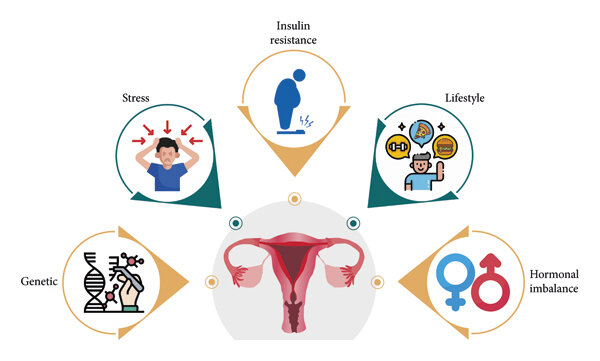
Polycystic Ovary Syndrome (PCOS) is a prevalent hormonal disorder that afflicts countless women globally. This condition disrupts the delicate balance of hormones, primarily androgen and estrogen, leading to a myriad of symptoms. Women with PCOS often experience irregular or absent menstrual cycles, excessive hair growth, acne, and weight gain. Furthermore, they may face challenges with fertility due to the impact of PCOS on ovulation. The underlying mechanisms of PCOS remain complex and multifaceted, involving genetic, environmental, and lifestyle factors. While there is no definitive cure, effective management strategies, including lifestyle modifications, medication, and, in some cases, assisted reproductive technologies, can help alleviate symptoms and improve the quality of life for women with PCOS. Understanding the PCOS-Diet Connection PCOS often disrupts hormonal balance, leading to insulin resistance. This means your body doesn’t use insulin effectively, leading to higher blood sugar levels. Over time, this can contribute to weight gain, particularly around the waist. A diet rich in some nutrients can help regulate insulin levels, reduce inflammation, and support overall health. Main Dietary Principles for PCOS Prioritise Low-Glycemic Index Foods: Limit refined carbohydrates like white bread, pasta, and sugary drinks, as they can worsen insulin resistance. Embrace Lean Protein: Incorporate lean protein sources like chicken, fish, tofu, and beans. Load Up on Healthy Fats: Incorporating bases of beneficial fats, such as avocados, nuts, seeds, and olive oil, into your diet can significantly contribute to hormonal balance and reduce inflammation. Limit Processed Foods and Sugary Drinks: Processed foods can contribute to weight gain and worsen PCOS symptoms. Stay Hydrated: Consuming enough water can help regulate hormones, accelerate metabolism, and facilitate digestion. A Sample PCOS-Friendly Meal Plan Breakfast: Oatmeal with nuts and berries or a vegetable omelet with whole-grain toast. Lunch: consider a refreshing salad topped with grilled chicken or a hearty lent soup with wholesome whole-grain bread. Dinner: Roasted salmons, vegetables, or stir-fry with tofu and brown rice. What Makes It Unique The Polycystic Ovary Syndrome diet plan for weight loss is a unique tapestry woven with threads of hormonal balance and metabolic harmony. Unlike generic weight loss diets, it delves into the intricate workings of the body, addressing the root cause of insulin resistance. By meticulously selecting foods that regulate blood sugar levels and reduce androgen production, this plan empowers women with PCOS to reclaim their health. It is not just about shedding pounds; it is about restoring hormonal equilibrium, improving fertility, and enhancing overall well-being. This personalized approach, tailored to the specific needs of women with PCOS, sets it apart from one-size-fits-all diets, offering a holistic solution for a complex condition. Additional Tips for Successful Weight Loss Consult a Healthcare Professional: Before making significant dietary changes, consult a healthcare provider to create a personalized plan. Conclusion By following these dietary principles and lifestyle modifications, you can take control of your PCOS and embark on a journey toward a healthier, happier you. Implementing minor, eco-friendly changes to your lifestyle can result in substantial enhancements to your general health and happiness.

Polycystic Ovary Syndrome (PCOS) Diet Plan Weight Loss Read More »