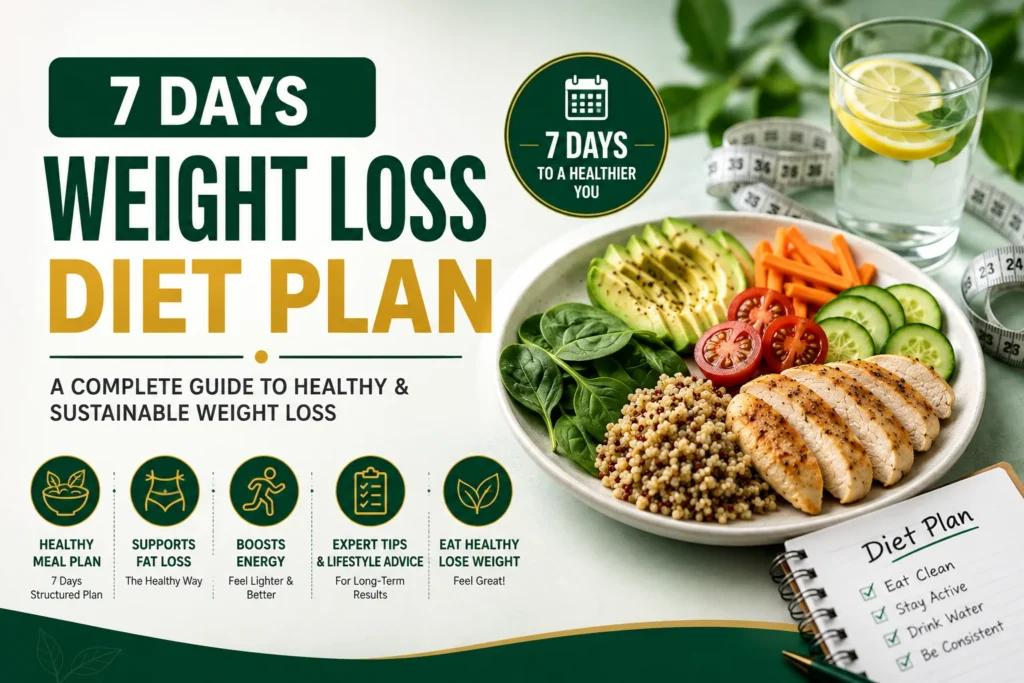
Searching for the best 7 Days Weight Loss Diet Plan is common among people who want quick results before an important event, after a holiday, or as the first step toward a healthier lifestyle.
The internet is filled with countless diet plans promising dramatic transformations in just one week. Some claim you can lose several kilograms almost overnight, while others recommend skipping meals or following extremely restrictive diets. Although these approaches may sound appealing, many are difficult to maintain and often lead to disappointment.
A well-designed 7 days weight loss diet plan should never focus on starving your body. Instead, it should help you build healthy eating habits, improve portion control, increase nutrient intake, and create a calorie deficit that supports gradual fat loss while preserving your overall health.
Whether your goal is to feel lighter, improve your eating habits, or kick-start a long-term weight management journey, following a balanced weekly diet plan can be an excellent place to begin.
In this comprehensive guide, you’ll learn:
- How healthy weight loss actually works
- What foods support fat loss
- Which foods to avoid
- A complete 7-day meal plan
- Expert-backed lifestyle tips
- Common mistakes that slow progress
- Frequently asked questions about weight loss
By the end of this guide, you’ll have a practical plan that is realistic, balanced, and easy to follow.
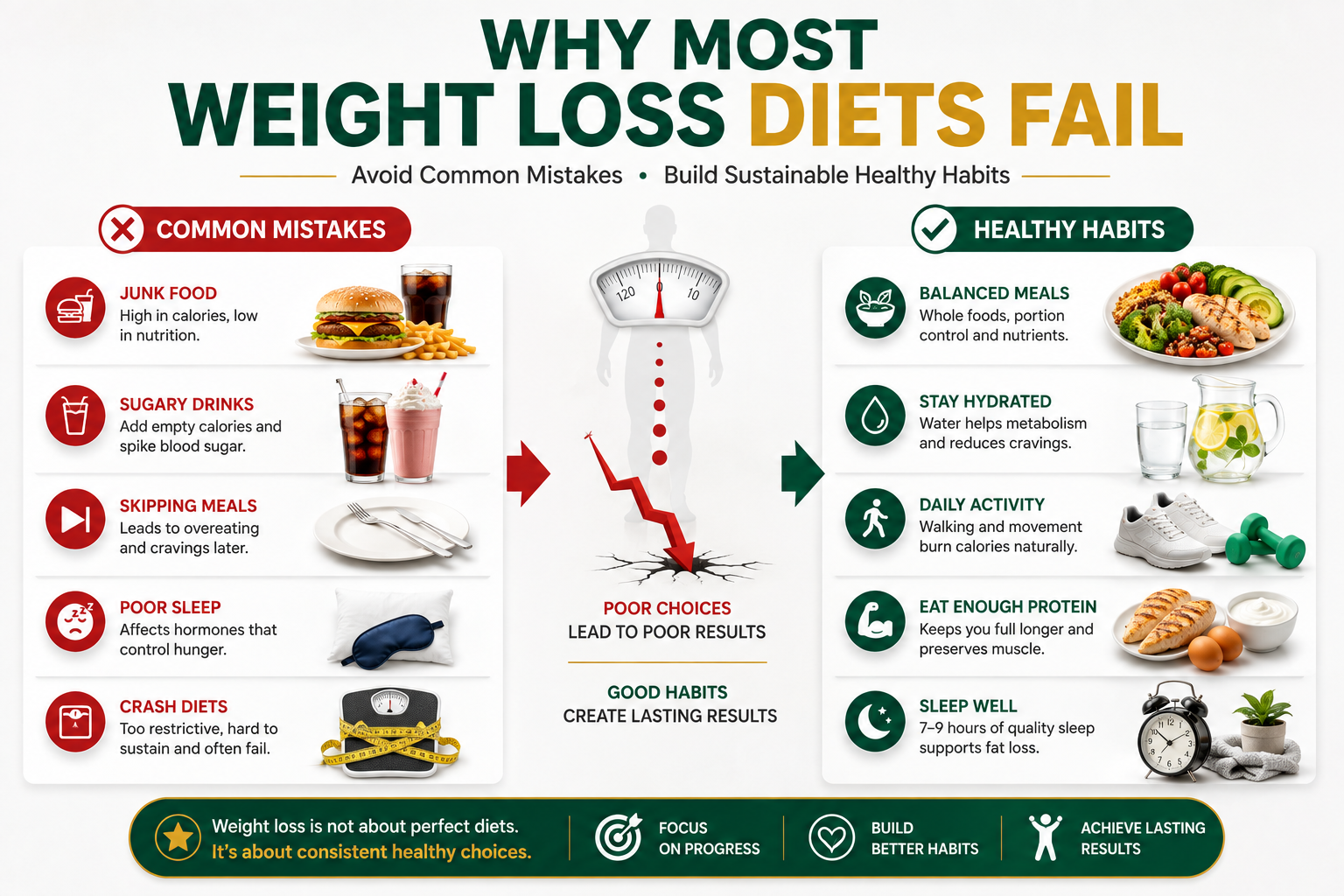
Why Most Weight Loss Diets Fail
Many people begin their weight loss journey with enthusiasm but struggle to maintain progress after only a few days. This usually happens because the diet they choose is too restrictive or unrealistic.
Here are some of the most common reasons why weight loss plans fail.
1. Expecting Instant Results
Many people expect to see dramatic changes within a few days. While your body may lose some weight during the first week, a significant portion of this early change can be due to reduced water storage, especially if your carbohydrate or sodium intake decreases.
Healthy fat loss is generally more gradual. Building sustainable habits is more effective than chasing rapid results. If you want to achieve faster results safely, check out our guide on fast weight loss.
2. Skipping Meals
Skipping breakfast or lunch may seem like a simple way to reduce calories, but it often leads to excessive hunger later in the day. This can increase cravings and make overeating more likely.
Regular, balanced meals help maintain energy levels and improve appetite control.
3. Following Extremely Low-Calorie Diets
Very restrictive diets may reduce calorie intake sharply, but they are difficult to maintain. They can also make it harder to get enough protein, fiber, vitamins, and minerals.
Instead of following crash diets, focus on eating nutritious foods in appropriate portions. Discover what actually works without starving yourself.
4. Drinking Sugary Beverages
Soft drinks, sweetened coffee, flavored milk, energy drinks, and packaged juices can contribute a significant amount of added sugar and calories without providing lasting fullness.
Replacing sugary drinks with water or unsweetened beverages is one of the simplest ways to reduce daily calorie intake.
5. Not Eating Enough Protein
Protein plays an important role during weight loss. It helps you feel fuller after meals and supports the maintenance of muscle while you’re losing weight.
Good protein choices include:
- Eggs
- Chicken breast
- Fish
- Greek yogurt
- Cottage cheese
- Lentils
- Chickpeas
- Beans
- Tofu
Aim to include a source of protein with each main meal. You can learn more about high-protein sources from the Harvard T.H. Chan School of Public Health.
6. Ignoring Physical Activity
Diet is a key part of weight management, but regular movement also contributes to overall health. Walking, cycling, resistance exercises, swimming, or other enjoyable activities can complement healthy eating habits.
You don’t need intense workouts every day. Consistency matters more than perfection.
7. Sleeping Too Little
Poor sleep can affect hunger-regulating hormones, making it harder to manage appetite and food choices. Read more about the connection between sleep and weight loss on Sleep Foundation.
Adults generally benefit from getting around 7–9 hours of quality sleep each night.
Can You Really Lose Weight in 7 Days?
One of the most common questions people ask is:
“Can I lose weight in just seven days?”
The answer depends on several factors, including:
- Your starting weight
- Current eating habits
- Physical activity level
- Sleep quality
- Hydration
- Medical conditions
- Medications
- Individual metabolism
Some people notice a drop on the scale during the first week because of changes in water balance and digestion, especially after reducing processed foods and increasing whole foods. You can also calculate your current baseline with our free BMI calculator.
However, meaningful and sustainable fat loss usually takes longer than one week.
Think of a 7-day diet plan as the beginning of a healthier lifestyle rather than a short-term solution.
The greatest success comes from continuing healthy habits beyond the first week.
How This 7 Days Weight Loss Diet Plan Works
Unlike restrictive fad diets, this plan focuses on creating habits that support both weight management and overall well-being.
The plan emphasizes:
- Balanced Meals: Each meal combines lean protein, fiber-rich vegetables, healthy fats, and complex carbohydrates to help you stay satisfied.
- Portion Awareness: Eating appropriate portions can help reduce excess calorie intake without eliminating entire food groups.
- Protein at Every Meal: Including protein throughout the day supports fullness and helps maintain lean muscle during weight loss.
- High-Fiber Foods: Vegetables, fruits, legumes, and whole grains provide fiber, which promotes satiety and supports digestive health. Learn more about dietary fiber on Mayo Clinic.
- Healthy Hydration: Water is essential for overall health and can help replace high-calorie beverages.
- Reduced Processed Foods: Limiting highly processed snacks, sugary drinks, and desserts can reduce excess calories and added sugars.
- Lifestyle Support: Regular movement, quality sleep, and stress management all contribute to long-term success. Explore our complete range of health and nutrition services for holistic guidance.
Benefits of Following a Healthy Weight Loss Diet
A structured weekly diet plan offers benefits beyond the number on the scale.
Many people notice improvements such as:
- Better energy throughout the day
- Reduced cravings
- Improved digestion
- Better portion control
- More consistent eating habits
- Increased fruit and vegetable intake
- Better hydration
- Greater confidence in making healthy food choices
- Improved meal planning skills
- A stronger foundation for long-term weight management
Rather than relying on extreme restrictions, sustainable habits are more likely to produce lasting results. Check out our comprehensive weight management diet planning solutions.
What Makes This Diet Plan Different?
Many popular online diet plans rely on unrealistic promises, severe food restrictions, or expensive supplements.
This guide is different because it focuses on practical habits that most people can follow.
The meal plan you’ll see in the next section is designed to be:
- Balanced
- Easy to prepare
- Rich in protein and fiber
- Suitable for beginners
- Flexible enough to adapt to different preferences
- Focused on whole, minimally processed foods
Most importantly, it encourages consistency rather than perfection. You can also read more articles on our health and nutrition blog.
Remember, healthy weight loss isn’t about finding the quickest shortcut. It’s about developing eating habits you can continue long after the first seven days are over.
Foods to Eat During Your 7 Days Weight Loss Diet Plan
The foods you choose during your weight loss journey can make a significant difference. Instead of eliminating entire food groups, focus on eating nutrient-dense foods that keep you full, support your metabolism, and provide long-lasting energy.
A balanced plate should ideally include:
- Lean protein
- High-fiber vegetables
- Healthy fats
- Whole-grain or complex carbohydrates
- Plenty of water
Below are the best food groups to include throughout the week.
1. Lean Protein Foods
Protein helps you stay full for longer and supports muscle maintenance while losing weight.
Excellent choices include:
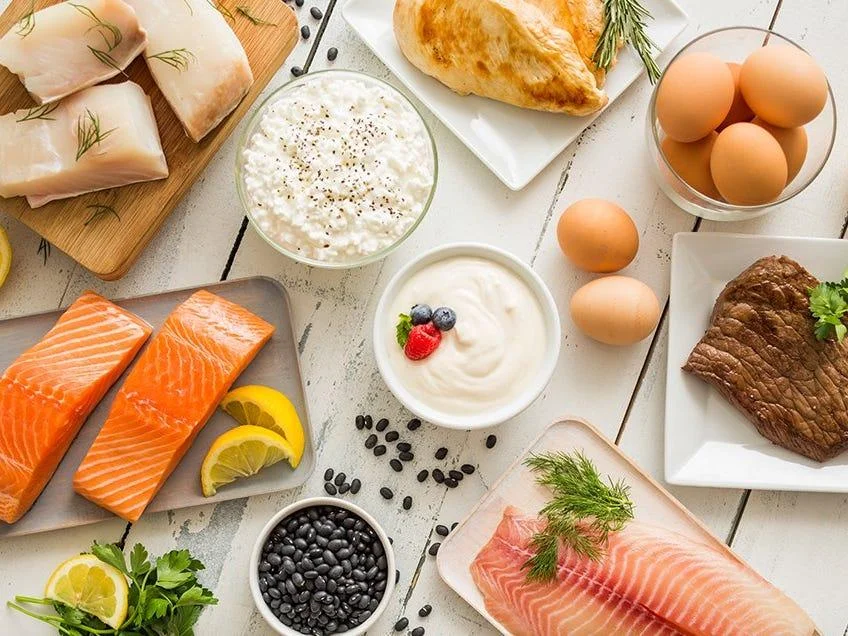
- Eggs
- Skinless chicken breast
- Fish (Salmon, Tuna, Cod)
- Turkey breast
- Greek yogurt
- Cottage cheese
- Lentils
- Chickpeas
- Kidney beans
- Black beans
- Tofu
- Tempeh
Tip: Try including a source of protein with every meal.
2. High-Fiber Vegetables
Vegetables are naturally low in calories but rich in vitamins, minerals, antioxidants, and fiber.
Best vegetables include:
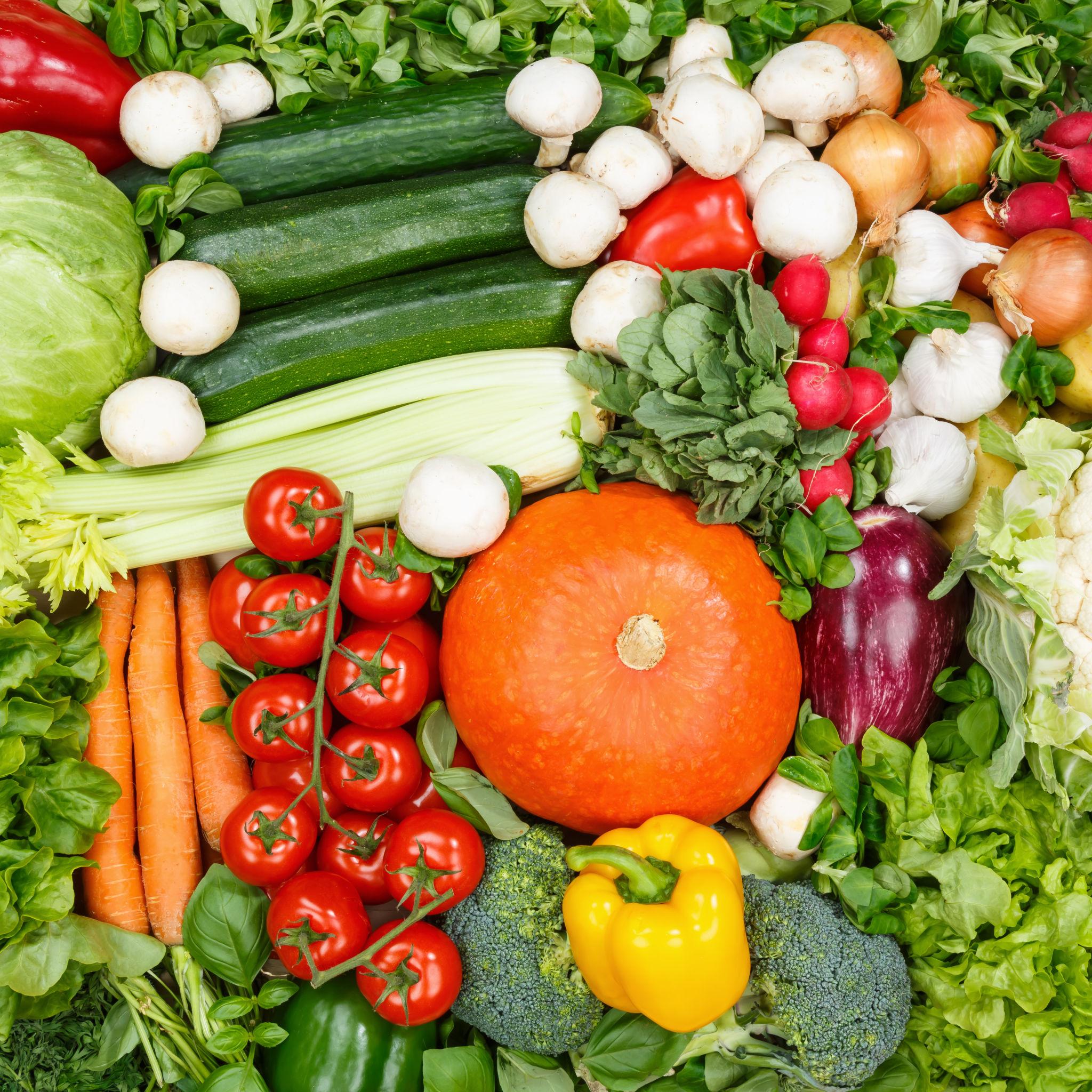
- Spinach
- Broccoli
- Cauliflower
- Cucumber
- Lettuce
- Bell peppers
- Carrots
- Green beans
- Cabbage
- Tomatoes
- Mushrooms
- Zucchini
Aim to fill half of your plate with vegetables during lunch and dinner.
3. Healthy Fruits
Fruit can satisfy sweet cravings while providing fiber and essential nutrients.
Recommended fruits include:
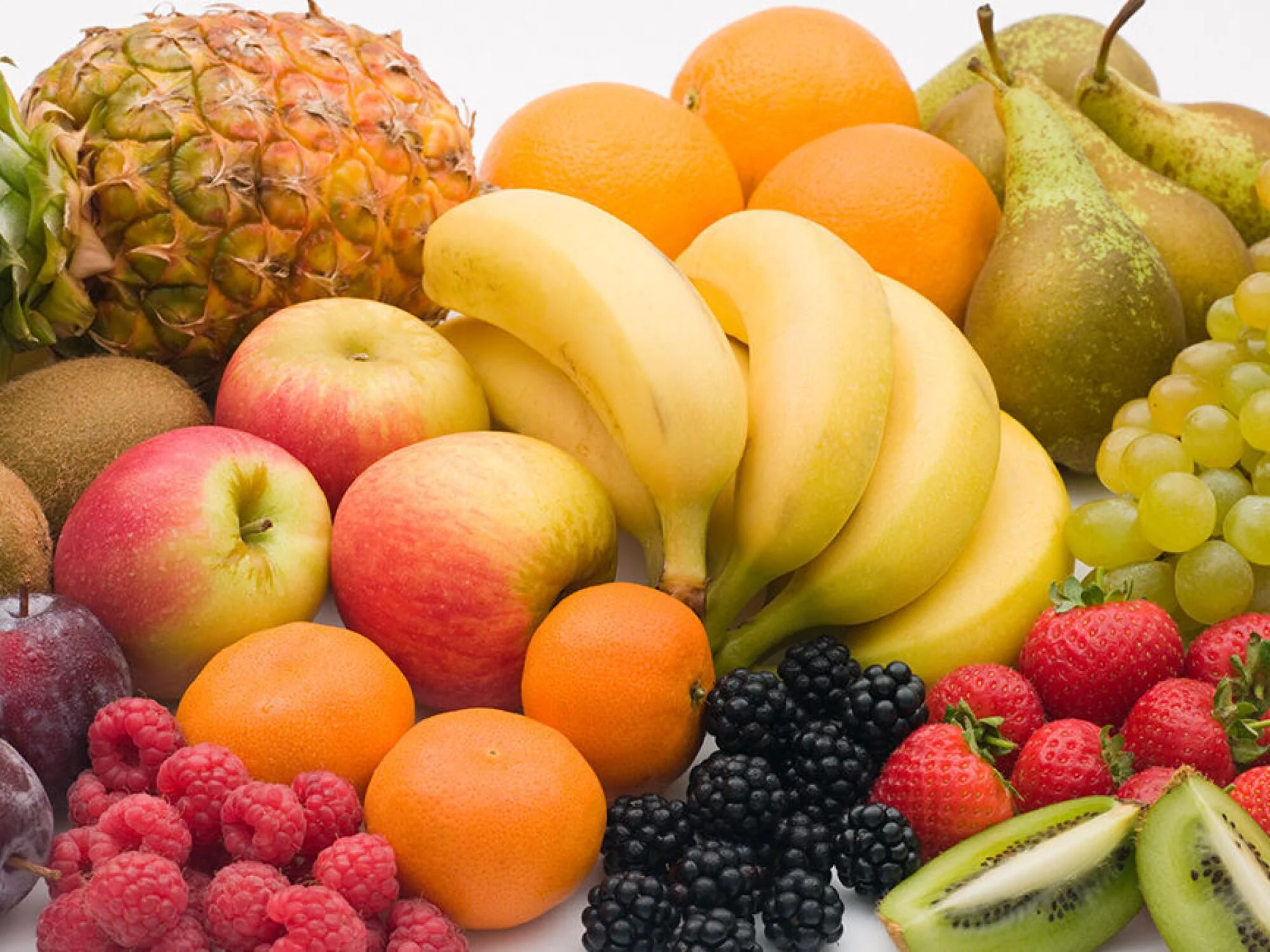
- Apples
- Berries
- Oranges
- Grapefruit
- Kiwi
- Pears
- Guava
- Papaya
- Watermelon (moderate portions)
- Melon
Choose whole fruit instead of fruit juice whenever possible.
4. Healthy Carbohydrates
Carbohydrates are not the enemy. The key is choosing high-quality sources and eating appropriate portions. Discover more nutrient-dense carbohydrate options at Healthline.
Healthy carbohydrate options include:
- Oats
- Brown rice
- Quinoa
- Sweet potatoes
- Whole wheat bread
- Whole grain pasta
- Barley
- Brown rice noodles
5. Healthy Fats
Healthy fats help support hormone function and can improve satisfaction after meals.
Good options include:
- Avocado
- Olive oil
- Almonds
- Walnuts
- Pistachios
- Chia seeds
- Flaxseeds
- Pumpkin seeds
Keep portions moderate since healthy fats are calorie-dense.
6. Healthy Drinks
Choose beverages that support hydration without unnecessary calories.
Best options:
- Water
- Lemon water (without added sugar)
- Green tea
- Black coffee (without sugar)
- Herbal tea
- Sparkling water
Foods to Avoid
Many highly processed foods contain large amounts of sugar, unhealthy fats, refined carbohydrates, and excess calories.
Limit or avoid:
- Soft drinks
- Energy drinks
- Sweetened coffee drinks
- Packaged fruit juices
- Candy
- Cakes
- Cookies
- Pastries
- Chips
- French fries
- Fast food
- Processed meats
- Sugary breakfast cereals
- White bread (frequent intake)
- Ice cream
- Excess alcohol
Remember, one treat does not ruin your progress. Focus on consistency rather than perfection.
Complete 7 Days Weight Loss Diet Plan
Important: This sample meal plan is intended as a general healthy eating guide. Individual calorie and nutrient needs vary depending on age, sex, body size, activity level, and medical conditions. For a customized strategy, explore our structured diet plan for weight loss.
Day 1
- Breakfast: Vegetable omelet (2 eggs), 1 slice whole wheat toast, Green tea or black coffee
- Mid-Morning Snack: 1 Apple
- Lunch: Grilled chicken breast, Mixed vegetable salad, Olive oil and lemon dressing
- Afternoon Snack: Greek yogurt, Handful of berries
- Dinner: Baked salmon, Steamed broccoli, Small serving of brown rice
Day 2
- Breakfast: Oatmeal topped with blueberries, Chia seeds
- Snack: Orange
- Lunch: Lentil soup, Mixed salad
- Snack: Almonds (small handful)
- Dinner: Grilled chicken, Roasted vegetables
Day 3
- Breakfast: Greek yogurt, Fresh berries, Chia seeds
- Snack: Pear
- Lunch: Grilled fish, Quinoa, Green vegetables
- Snack: Cucumber slices with hummus
- Dinner: Vegetable stir-fry, Tofu
Day 4
- Breakfast: Smoothie made with spinach, banana, Greek yogurt, and chia seeds
- Snack: Apple
- Lunch: Turkey salad, Mixed greens, Olive oil dressing
- Snack: Walnuts
- Dinner: Grilled shrimp, Steamed vegetables
Day 5
- Breakfast: Scrambled eggs, Tomato slices, Whole wheat toast
- Snack: Kiwi
- Lunch: Chickpea salad, Mixed vegetables
- Snack: Cottage cheese
- Dinner: Baked chicken breast, Sweet potato, Green beans
Day 6
- Breakfast: Overnight oats, Strawberries
- Snack: Orange
- Lunch: Tuna salad, Mixed vegetables
- Snack: Mixed nuts (small portion)
- Dinner: Lean beef or tofu, Roasted vegetables
Day 7
- Breakfast: Vegetable omelet, Whole wheat toast
- Snack: Apple
- Lunch: Grilled chicken, Brown rice, Mixed vegetables
- Snack: Greek yogurt
- Dinner: Baked fish, Steamed broccoli, Mixed salad
Healthy Snack Ideas
If you feel hungry between meals, choose nutritious snacks that provide protein or fiber.
Healthy options include:
- Greek yogurt
- Apple with peanut butter
- Cottage cheese
- Boiled eggs
- Mixed nuts (small portion)
- Hummus with cucumber
- Carrot sticks
- Celery sticks
- Air-popped popcorn
- Fresh berries
- Roasted chickpeas
- Edamame
Hydration Guide
Proper hydration supports overall health and may help with appetite regulation. Read the official daily fluid intake recommendations on WebMD.
Aim to:
- Start your day with a glass of water.
- Drink water before meals if it helps you stay hydrated.
- Carry a reusable water bottle throughout the day.
- Limit sugary beverages.
Hydration needs vary from person to person depending on activity level, climate, and overall health.
Simple Exercise Plan for Better Results
Nutrition plays the biggest role in weight management, but regular physical activity complements a healthy diet.
A beginner-friendly weekly routine could include:
- Monday: 30-minute brisk walk
- Tuesday: 20–30 minutes of bodyweight strength exercises
- Wednesday: 30-minute walk
- Thursday: Cycling or swimming for 30 minutes
- Friday: Strength training
- Saturday: 45-minute walk
- Sunday: Gentle stretching or yoga
Choose activities you enjoy to improve long-term consistency. Explore guidelines on physical activity at the CDC Physical Activity Basics.
Lifestyle Tips That Support Healthy Weight Loss
Following a meal plan is only one part of the equation. Daily habits also influence your progress.
Here are practical tips:
- Plan meals in advance.
- Eat slowly and mindfully.
- Avoid distracted eating.
- Include vegetables in most meals.
- Prioritize protein.
- Get 7–9 hours of sleep.
- Stay physically active.
- Manage stress with relaxation techniques.
- Track your progress using measurements or photos instead of relying only on the scale.
- Focus on long-term habits rather than quick fixes.
Common Mistakes to Avoid
Many people unintentionally slow their progress by making these common mistakes:
- Skipping meals
- Drinking calories instead of water
- Eating oversized portions
- Following extremely restrictive diets
- Expecting overnight results
- Ignoring sleep
- Eating too little protein
- Not reading nutrition labels
- Frequently eating highly processed foods
- Giving up after one unhealthy meal
Remember, sustainable progress comes from consistency—not perfection. To learn more about your body’s metabolic structure, read about understanding the 3 major body types and the process of losing weight.
Frequently Asked Questions (FAQs)
1. Does a 7 Days Weight Loss Diet Plan really work?
A well-balanced 7 days weight loss diet plan can help you start your weight loss journey by improving eating habits, reducing excess calorie intake, and encouraging healthier lifestyle choices. Some people may notice a decrease on the scale during the first week, although part of this may be due to changes in body water. Long-term success depends on maintaining healthy habits beyond seven days. For target-focused solutions, check our diet plan for weight loss to lose belly fat fast naturally.
2. How much weight can I lose in 7 days?
Weight loss varies from person to person depending on factors such as starting weight, calorie intake, activity level, sleep, hydration, and overall health. Rather than focusing on a specific number, aim to build sustainable habits that support long-term fat loss.
3. Can I follow this diet without exercising?
Yes. Nutrition plays a major role in weight management. However, combining a healthy eating plan with regular physical activity supports overall health, fitness, and long-term weight management.
4. Is this diet suitable for men and women?
Yes. The meal ideas can be adapted for both men and women. Individual calorie and nutrient requirements vary, so portion sizes may need adjustment based on personal needs.
5. Can vegetarians follow this diet?
Absolutely. Plant-based protein sources such as lentils, beans, chickpeas, tofu, tempeh, Greek yogurt (if consumed), cottage cheese, and soy products can easily replace meat or fish.
6. Can I drink coffee while following this diet?
Yes. Unsweetened black coffee or coffee with minimal added sugar can fit into a balanced eating plan. Be mindful of high-calorie creamers, syrups, and sugar.
7. Can I eat fruit during weight loss?
Yes. Whole fruits provide fiber, vitamins, minerals, and antioxidants. Choose whole fruit rather than fruit juices whenever possible.
8. What if I feel hungry between meals?
Choose healthy snacks such as:
- Greek yogurt
- Boiled eggs
- Fresh fruit
- Cottage cheese
- Mixed nuts (small portion)
- Hummus with vegetables
These options provide protein and fiber that can help keep you satisfied.
9. Can I repeat this 7-day meal plan?
Yes. The meal plan can be repeated or modified by changing protein sources, vegetables, fruits, and whole grains to create variety while maintaining balanced nutrition.
10. Should I completely avoid carbohydrates?
No. Healthy carbohydrates such as oats, brown rice, quinoa, sweet potatoes, and whole grains provide energy and important nutrients. Portion control is generally more sustainable than eliminating carbohydrates completely.
11. Is breakfast necessary for weight loss?
There is no single rule that works for everyone. Some people enjoy breakfast, while others prefer different eating schedules. The most important factor is maintaining an overall balanced eating pattern that meets your nutritional needs.
12. How much water should I drink each day?
Hydration needs vary based on body size, activity level, climate, and health conditions. Drink enough water throughout the day to stay well hydrated and increase intake during exercise or hot weather.
Weight Loss Myths vs Facts
Many misconceptions about weight loss can make it harder to build healthy habits. Understanding the facts can help you make informed choices.
| Myth | Fact |
| Skipping meals helps you lose weight faster. | Skipping meals can increase hunger and may lead to overeating later. |
| Carbohydrates should be completely avoided. | Whole grains and other complex carbohydrates can be part of a healthy diet. |
| Fat-free foods are always healthier. | Some fat-free products contain added sugar or refined ingredients. |
| Detox teas melt body fat. | There is no strong scientific evidence that detox teas specifically burn fat. |
| You must exercise for hours every day. | Consistent moderate activity combined with healthy eating is effective for many people. |
| Weight loss supplements are necessary. | Many people can lose weight successfully through balanced nutrition and lifestyle changes without supplements. |
| Eating late at night automatically causes weight gain. | Total daily calorie intake and overall eating habits matter more than the clock alone. |
When Should You Consult a Dietitian?
While many people can begin improving their eating habits independently, professional guidance can be especially valuable if you:
- Have diabetes (learn about our specialized nutritionist for diabetes in Pakistan)
- Have PCOS (see our dedicated PCOS food plan)
- Have thyroid disorders
- Have high blood pressure
- Have fatty liver disease
- Have kidney disease
- Have digestive disorders (check our common gut disorders and IBS recovery program)
- Are pregnant or breastfeeding
- Need a medically supervised weight management plan
- Have tried multiple diets without lasting success
A professional personalized nutritionist can assess your nutritional needs and develop a personalized plan that aligns with your health goals. You can also explore our tailored disease reversal programs.
Healthy Weight Loss Tips for Long-Term Success
Lasting weight management is built on consistent habits rather than short-term restrictions.
Focus on these practical strategies:
- ✓ Eat protein with every meal.
- ✓ Fill half your plate with vegetables.
- ✓ Choose whole grains instead of refined grains.
- ✓ Replace sugary drinks with water or unsweetened beverages.
- ✓ Plan meals before you become hungry.
- ✓ Keep healthy snacks available.
- ✓ Sleep 7–9 hours each night.
- ✓ Stay physically active most days of the week.
- ✓ Practice mindful eating by slowing down during meals.
- ✓ Be patient with your progress.
Small improvements repeated consistently often lead to meaningful long-term results.
Final Thoughts
A 7 Days Weight Loss Diet Plan can be an excellent starting point for developing healthier eating habits and improving your overall lifestyle. Instead of relying on crash diets or unrealistic promises, focus on balanced nutrition, regular physical activity, quality sleep, and consistency.
Remember that healthy weight management is a journey rather than a race. Even if progress seems slow at times, building sustainable habits can support better health over the long term.
If you don’t achieve every goal during the first week, don’t be discouraged. Continue making healthy choices, adjust your routine as needed, and celebrate small improvements along the way.
Ready to Start Your Weight Loss Journey?
At Health & Nutrition Lounge, we believe every individual deserves a personalized nutrition plan—not a one-size-fits-all diet.
Our qualified clinical dietitians on our team create customized meal plans based on your:
- Health goals
- Medical history
- Lifestyle
- Food preferences
- Activity level
- Existing medical conditions
Whether you are seeking the best nutritionist in Pakistan, top experts like the best nutritionist in Lahore, best nutritionists in Islamabad, or best nutritionist in Rawalpindi, our experts are here to help. Explore our locations to find care near you.
You can also enroll in our transformation program or premium coaching program for 1-on-1 support.
Book your consultation today or book an appointment to take the first step toward healthier living with Health & Nutrition Lounge.
Conclusion
The best 7 Days Weight Loss Diet Plan is one that encourages balanced nutrition, realistic expectations, and habits you can maintain beyond a single week. Quick fixes rarely lead to lasting success, but consistent healthy choices can improve your overall well-being over time.
Use this guide as the beginning of your journey, stay patient with your progress, and seek professional advice whenever you need personalized support, such as our expert nutritional counselling. Every healthy choice you make today is an investment in your future health.
Thank you for reading!
If you found this guide helpful, share it with friends or family who are also looking to build healthier eating habits and achieve sustainable weight management.