Fat Loss Diet Plan for Male: 7-Day Meal Plan & Practical Tips
Looking for a fat loss diet plan for male that is practical, affordable, and realistic? Losing body fat does not require starving yourself or completely eliminating carbohydrates. A sustainable approach focuses on appropriate portions, a manageable calorie deficit, adequate protein, fiber-rich foods, regular physical activity, sleep, and habits you can maintain over time.
Every man has different nutritional and energy needs. Your age, height, current weight, activity level, food preferences, medications, medical conditions, and daily routine can all influence the right weight-loss strategy. Therefore, the meal plan in this article should be treated as a practical example rather than a personalized medical prescription.
What Is a Fat Loss Diet Plan?
A fat-loss diet is an eating pattern that helps you consume an appropriate amount of energy for your goal while still providing the nutrients your body needs. The goal is not simply to make the number on the weighing scale smaller. A good plan should support healthy eating, help manage hunger, preserve lean tissue, and be realistic enough to continue.
Weight management is influenced by eating habits, physical activity, sleep, stress, genetics, medications, age, and medical conditions. That is why the same diet may produce different results in different people.
Health & Nutrition Lounge also explains why a universal diet plan is not appropriate for everyone. Individual energy expenditure, metabolic needs, food preferences, and health conditions need to be considered when planning a sustainable diet. Read our guide to personalized weight-loss diet planning .
Appropriate calorie deficit + adequate protein + fiber-rich foods + regular activity + consistency = a sustainable fat-loss strategy.
What Is a Calorie Deficit?
A calorie deficit occurs when you consistently consume less energy from food and drinks than your body uses. Over time, this can lead to weight loss because the body needs to use stored energy.
A calorie deficit does not mean you should stop eating or follow an extremely restrictive diet. The size of the deficit and the food choices used to create it should be realistic and nutritionally adequate.
If you want a deeper explanation of how calorie deficit works, see our guide: what actually works for weight loss without starving yourself .
How Many Calories Should a Man Eat to Lose Weight?
There is no single calorie number that works for every man. Your estimated calorie needs depend on factors such as age, body weight, height, sex, and physical activity.
A useful starting point is to understand your current eating pattern, activity level, and approximate energy needs rather than immediately choosing an aggressive calorie restriction.
The NIH Body Weight Planner can help estimate personalized calorie and activity requirements.
Your calorie needs may change as your body weight and activity level change. You also do not necessarily need to count every calorie forever. Learning portion sizes and choosing nutrient-dense foods can make calorie management easier.
7-Day Fat Loss Diet Plan for Male
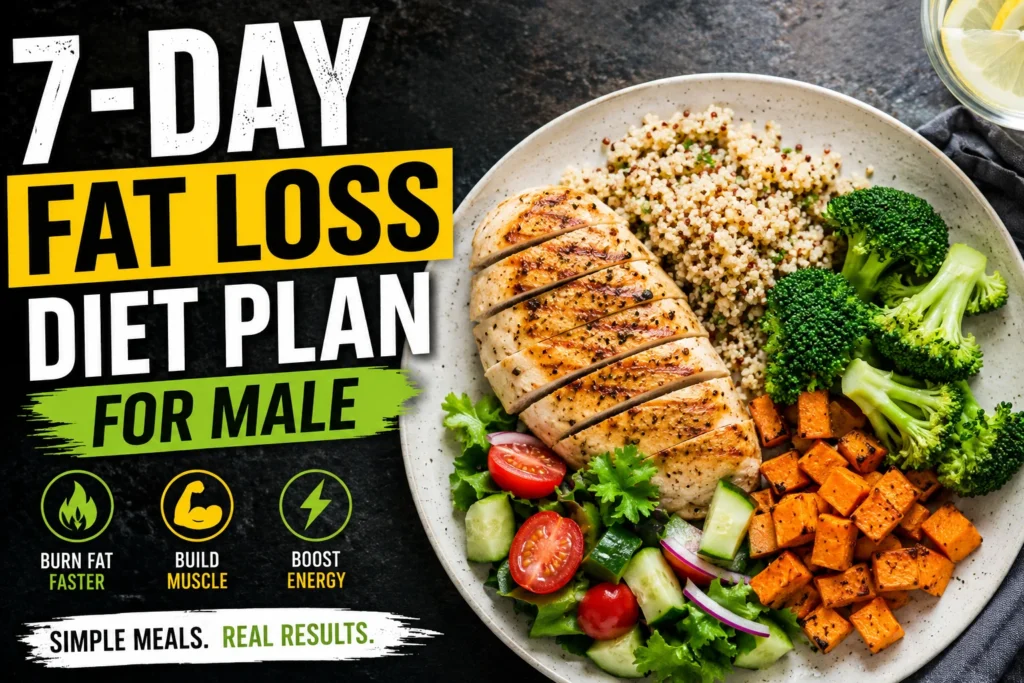
This 7-day fat loss diet plan for male is designed as a flexible example using foods that are practical for many Pakistani and South Asian households.
You do not need to eliminate roti, rice, daal, chicken, eggs, yogurt, potatoes, or fruit to lose fat. Instead, pay attention to portions, cooking methods, protein, vegetables, and total calorie intake.
| Day | Breakfast | Lunch | Snack | Dinner |
|---|---|---|---|---|
| Day 1 | 2 eggs with vegetables + 1 small whole-wheat roti or whole-grain toast + unsweetened tea | Grilled chicken + large salad + 1 small roti | Apple or orange + plain yogurt if needed | Fish or chicken + cooked vegetables + small rice portion |
| Day 2 | Oats with milk + banana or seasonal fruit + small portion of nuts | Daal + grilled chicken + salad + 1 small roti | Boiled egg + cucumber | Chicken vegetable stir-fry + small rice or roti portion |
| Day 3 | 2 eggs + whole-grain toast + tomato and cucumber | Chicken tikka + mixed salad + 1 small roti | Seasonal fruit or plain yogurt | Daal + vegetables + small rice portion |
| Day 4 | Vegetable omelet + 1 small roti | Grilled fish + salad + small rice portion | Unsweetened tea + small handful of nuts | Chicken curry prepared with limited oil + vegetables + 1 small roti |
| Day 5 | Oatmeal + fruit + plain yogurt | Daal + chicken + salad + 1 small roti | Boiled egg + cucumber or carrots | Grilled chicken + mixed vegetables + small rice portion |
| Day 6 | 2 eggs + whole-grain toast + vegetables | Homemade chicken or lean beef kebab + salad + 1 small roti | Fruit or plain yogurt | Fish + vegetables + small potato or rice portion |
| Day 7 | Vegetable omelet + 1 small roti + unsweetened tea | Homemade chicken pulao with controlled rice portion + salad + yogurt | Small handful of nuts or plain yogurt | Chicken soup or grilled chicken + vegetables |
How to Make This Meal Plan More Flexible
You do not have to eat the same foods every week. Chicken can be replaced with fish, lean meat, eggs, beans, lentils, or another suitable protein source. Rice can be replaced with roti, potatoes, oats, or another carbohydrate source according to your preferences and calorie needs.
The goal is to create a pattern that you can realistically maintain, rather than following a rigid menu for a few days and then abandoning it.
Simple Portion Guide for Fat Loss
Portion size matters even when you are eating nutritious foods. A simple plate-based approach can make meals easier to manage without requiring you to weigh every ingredient.
- Protein: Include a palm-sized serving of chicken, fish, lean meat, eggs, yogurt, beans, or another protein-rich food.
- Vegetables: Make vegetables or salad a substantial part of your main meal.
- Carbohydrates: Keep portions of rice, roti, potatoes, oats, and other carbohydrate foods appropriate for your calorie needs.
- Healthy fats: Nuts, seeds, and oils can be nutritious but are calorie-dense, so moderate portions are important.
- Drinks: Prefer water and other low-calorie or unsweetened drinks over sugar-sweetened beverages.
Health & Nutrition Lounge’s obesity guide also highlights calorie awareness, protein and fiber intake, portion control, limiting fried foods, and choosing water instead of high-calorie drinks as useful weight-management habits. Read the complete obesity and weight-management guide .
Best Protein Foods for Fat Loss
Protein-rich foods can make it easier to build satisfying meals while following a calorie-controlled diet. Good options include:
- Eggs
- Chicken
- Fish
- Lean beef
- Daal and lentils
- Chickpeas and beans
- Plain yogurt
- Milk according to your dietary needs
- Other minimally processed protein-rich foods
Try to include a protein source in your main meals instead of building most meals around refined carbohydrates alone.
Protein should also be considered alongside your overall calorie intake and health needs. More protein is not automatically better for everyone.
Foods to Limit When Trying to Lose Fat
You do not need to permanently ban your favorite foods. However, certain foods and drinks can make calorie control more difficult because they are easy to consume in large amounts.
- Sugary soft drinks and sweetened beverages
- Frequent sweets and desserts
- Deep-fried foods
- Large portions of fast food
- Highly processed snack foods
- Excessive cooking oil and butter
- High-calorie sauces and dressings
- Very large portions of refined carbohydrates
Instead of following an extremely restrictive diet, make nutrient-dense and lower-calorie choices most of the time and enjoy higher-calorie foods occasionally in controlled portions.
For another practical approach to healthy weight-loss eating, you can also read: A Balanced Diet Plan for Weight Loss .
Exercise and Physical Activity for Fat Loss
Diet and physical activity work together. You do not have to join a gym to become more active, although resistance training can be useful for improving strength and supporting healthy body composition.
For generally healthy adults, current physical-activity guidance recommends at least 150 minutes of moderate-intensity aerobic activity each week together with muscle-strengthening activities on at least two days per week.
Examples include brisk walking, cycling, swimming, jogging, bodyweight exercises, resistance bands, and weight training. If you are currently inactive, start gradually and increase your activity as your fitness improves.
You can also learn more about the relationship between nutrition and fitness through Health & Nutrition Lounge’s customized transformation program , which includes personalized diet and exercise options.
For general activity guidance, see the CDC physical activity recommendations .
How to Control Overeating and Cravings
Fat loss is not only about knowing which foods are healthy. Your eating environment, emotions, routine, sleep, stress, and habits can also influence how much you eat.
Identify Your Overeating Triggers
Notice when you tend to overeat. Is it late at night? When you are stressed? While watching television? During social gatherings? Or after skipping meals?
Once you identify a pattern, create a practical alternative. For example, if you frequently eat high-calorie snacks at night, prepare a reasonable portion of yogurt, fruit, or another planned snack instead.
Eat Slowly and Pay Attention to Portions
Eating directly from a large packet can make portion control difficult. Put your serving on a plate or bowl and keep the remaining food away from your immediate eating area.
Do Not Rely on Willpower Alone
Make healthy choices easier by keeping nutritious foods available and reducing how often high-calorie snacks are immediately accessible.
If emotional eating, binge eating, or eating-related distress is becoming difficult to control, consider discussing it with an appropriate healthcare professional rather than trying to solve the problem through stricter dieting alone.
Common Fat-Loss Mistakes Men Should Avoid
- Eating far too little: Extremely restrictive diets can be difficult to maintain and may not provide adequate nutrition.
- Ignoring protein: Build your meals around a reliable protein source.
- Drinking too many calories: Sugary drinks can add substantial calories without being as filling as a balanced meal.
- Ignoring cooking oil: Oils can be part of a healthy diet, but they are calorie-dense.
- Doing only cardio: Where appropriate, include muscle-strengthening activity as well.
- Expecting instant results: Sustainable weight management is usually a gradual process.
- Changing everything at once: Start with a few realistic habits and build from there.
- Giving up after one unhealthy meal: One meal does not determine your overall progress. Return to your normal routine at the next meal.
If you want to understand why extreme or very rapid approaches may not be appropriate for everyone, read Health & Nutrition Lounge’s guide to fast weight loss .
How to Track Your Fat-Loss Progress
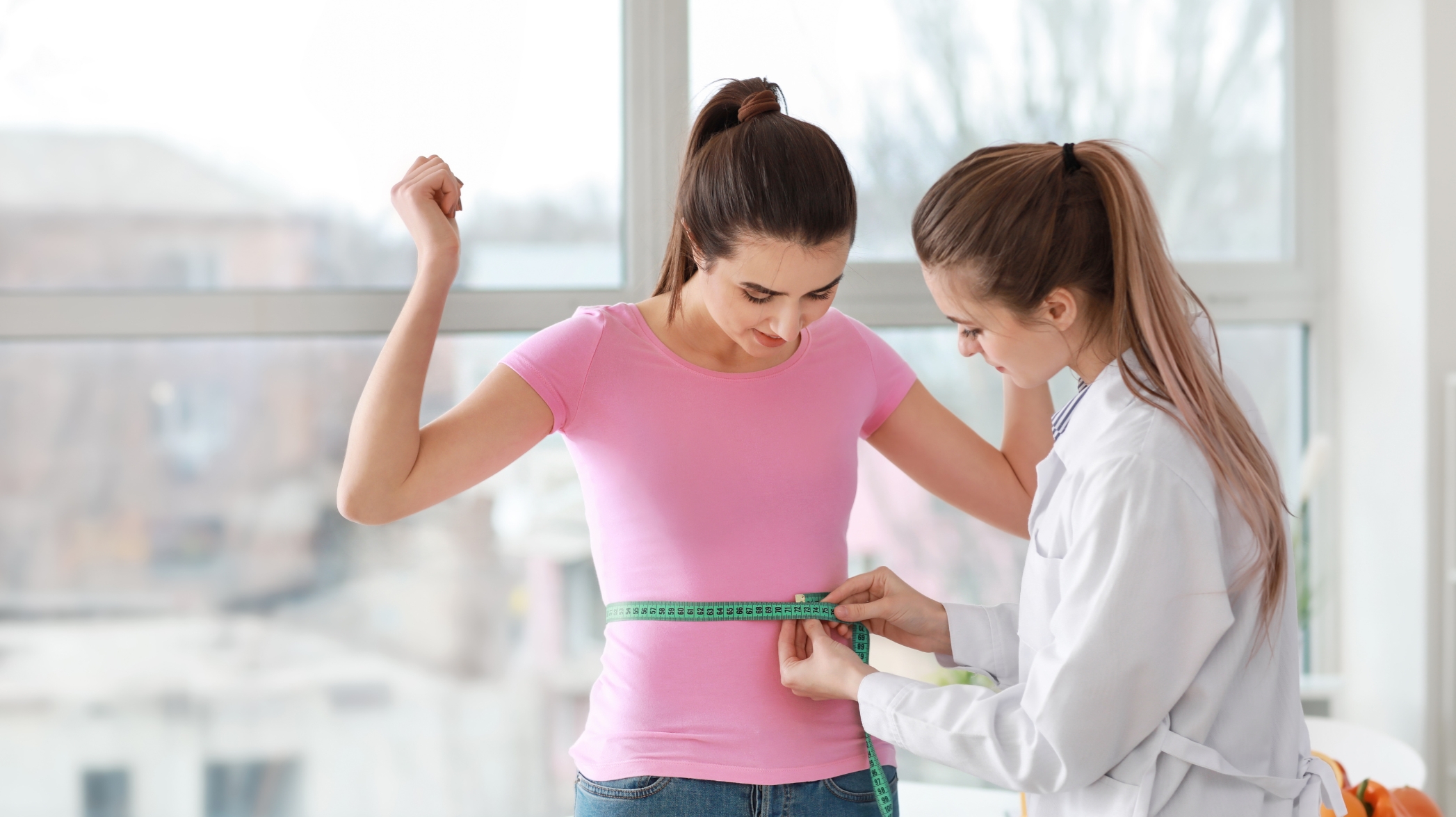
Tracking can help you understand whether your plan is working. Depending on your goals, you can monitor body weight, waist measurement, food intake, physical activity, sleep, and how consistently you follow your plan.
Do not judge your progress from a single day’s scale reading. Body weight naturally fluctuates because of water, food volume, sodium, digestion, and other factors. Look at the longer-term trend instead.
A gradual approach is generally easier to maintain than trying to lose weight as quickly as possible. Your starting weight, food intake, activity, health, medications, and adherence can all affect the rate of progress.
If you need a personalized plan with ongoing monitoring rather than a generic meal plan, Health & Nutrition Lounge offers customized transformation and weight-management programs .
You can also read the CDC guidance on healthy weight loss .
When Should You Consult a Healthcare Professional?
A general meal plan may not be appropriate for everyone. Speak with a doctor, registered dietitian, or qualified nutrition professional before making major dietary changes if you have a medical condition, take medications that affect weight or blood sugar, have a history of an eating disorder, or have other health concerns.
Conditions such as diabetes, hypertension, thyroid disorders, fatty liver disease, kidney disease, and other medical conditions may require dietary adjustments that are different from a general fat-loss plan.
If you are managing diabetes, for example, a personalized approach may be more appropriate than simply following a generic weight-loss menu. You can learn more about nutrition support for diabetes in Pakistan .
If you are looking for professional personalized nutrition support, Health & Nutrition Lounge provides health and nutrition services that include weight and fat-loss planning.
Frequently Asked Questions
What is the best fat loss diet plan for male?
The best fat loss diet plan for male is one that creates an appropriate calorie deficit while providing adequate protein, fiber, vegetables, fruit, healthy fats, and nutrient-rich carbohydrate sources. It should also be realistic enough to follow consistently.
Can men eat rice while trying to lose weight?
Yes. Rice does not have to be completely removed from a fat-loss diet. Portion size, preparation method, total calorie intake, and the foods eaten with rice all matter.
Can I eat roti during fat loss?
Yes. Roti can fit into a weight-loss diet when the portion is appropriate for your calorie needs. Pairing roti with protein and vegetables can make the meal more balanced and satisfying.
Is exercise necessary for fat loss?
Diet plays a major role in creating a calorie deficit, while regular physical activity provides important health benefits and can support weight management. Adults should generally aim for at least 150 minutes of moderate activity per week together with muscle-strengthening activities on at least two days.
How quickly can a man lose weight?
Weight-loss speed varies between individuals. A gradual approach is generally preferable to extreme dieting. Starting weight, calorie intake, physical activity, health, medications, and adherence can all affect the rate of progress.
Do I need to stop eating carbohydrates to lose fat?
No. Foods such as rice, roti, oats, potatoes, fruit, and legumes can be part of a balanced fat-loss diet. Overall calorie intake, portions, food quality, and consistency are more important than completely eliminating carbohydrates.
What should I drink during a fat-loss diet?
Water is a simple choice. Unsweetened tea and coffee can also fit into many diets. Limiting sugary drinks and other high-calorie beverages can make calorie control easier.
Do I need a personalized diet plan?
Not everyone needs professional supervision for basic healthy eating, but a personalized plan can be particularly useful when you have a medical condition, take medications, have a significant amount of weight to lose, or have repeatedly struggled with weight management.
Health & Nutrition Lounge provides personalized nutrition consultations and weight-management programs based on individual needs.
Need a Personalized Fat-Loss Diet Plan?
A general 7-day meal plan can provide ideas, but your calorie needs, medical history, lifestyle, food preferences, and activity level may require a more personalized approach.
Health & Nutrition Lounge provides personalized nutrition and weight-management support through its team of nutrition professionals.
Explore Health & Nutrition Services
Conclusion
A successful fat loss diet plan for male does not need to be complicated. Focus on sensible portions, protein-rich foods, vegetables, fruit, appropriate carbohydrate portions, healthy fats, and fewer high-calorie foods and drinks.
You do not need to completely remove rice, roti, or other traditional foods. Instead, learn how to manage portions and build balanced meals around protein, vegetables, and appropriate carbohydrate sources.
Combine your eating plan with regular physical activity, strength training where appropriate, adequate sleep, and consistent progress tracking. Most importantly, choose habits that you can continue after reaching your goal rather than following an extreme diet for a short period.
If you have a medical condition, take medications, or have other individual health concerns, discuss your weight-loss goals with a qualified healthcare professional before making significant dietary changes.
Start with realistic changes, stay consistent, and adjust your plan based on your progress.